


GPS Tracker for Uber & Lyft Drivers in the USA
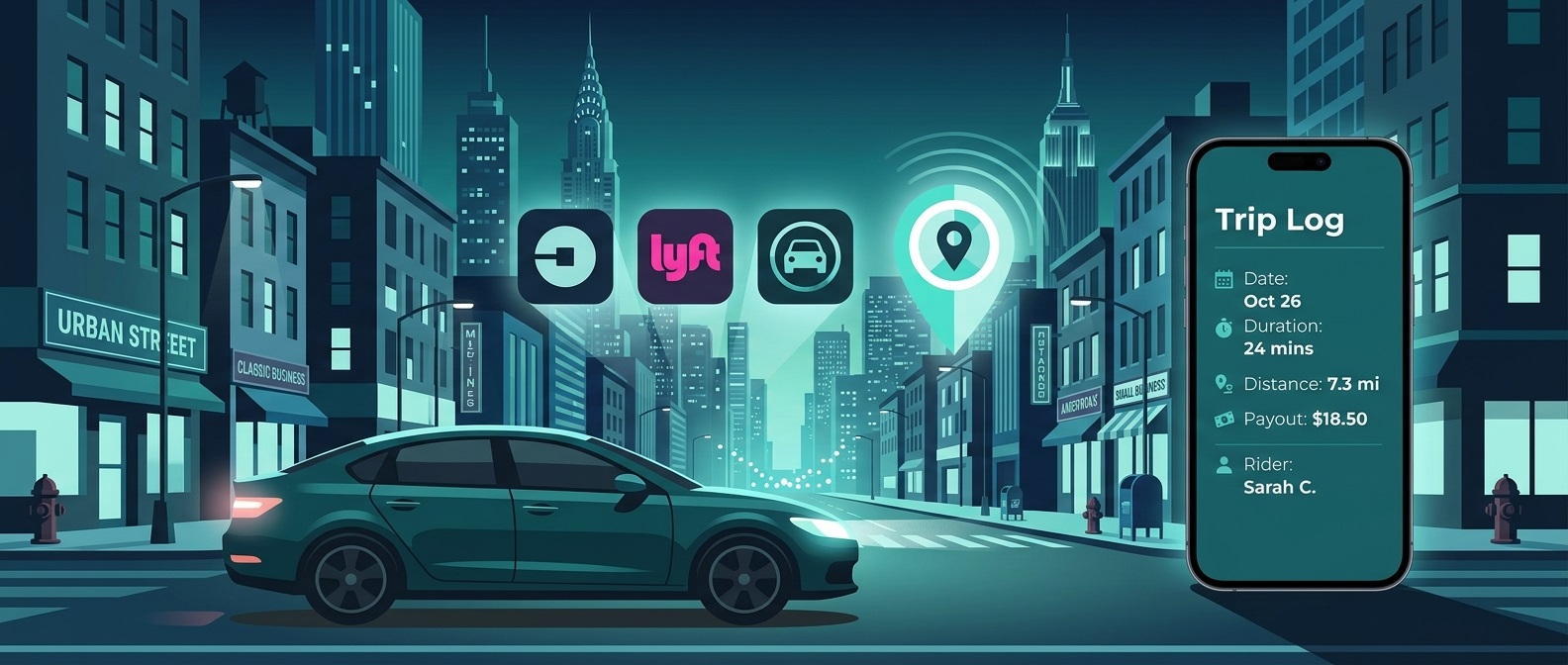
GPS Tracker for Uber & Lyft Drivers in the USA
Your car is your income source. Here's how to actually protect it while you're on the road picking up fares.
A GPS tracker for Uber and Lyft drivers addresses a risk pattern most personal vehicle owners never deal with: a car that's constantly parked in unfamiliar locations, carrying strangers as passengers, and racking up far more daily mileage and exposure than a typical commuter vehicle. If rideshare driving is how you earn income, protecting the vehicle itself deserves the same seriousness as any other business asset.
🚗 Why Rideshare Vehicles Face Different Risks
Constant New Locations
Picking up and dropping off fares means parking and idling in dozens of unfamiliar spots daily.
Stranger Exposure
Unlike a personal commuter car, rideshare vehicles regularly carry passengers you've never met before.
Income-Critical Asset
A damaged or stolen vehicle doesn't just cost money to replace — it stops your ability to earn immediately.
🔑 Features That Matter Most for Rideshare Driving
📊 Personal Vehicle vs Rideshare Vehicle Tracking Priorities
| Factor | Personal Commuter Vehicle | Rideshare Vehicle |
|---|---|---|
| Daily Parking Stops | Typically 1–2 per day | Often dozens across a shift |
| Mileage Tracking Value | Limited practical need | Directly supports tax deduction claims |
| Financial Impact of Downtime | Inconvenient | Immediate loss of earning capacity |
| Passenger Exposure | Minimal, known individuals | Frequent, unfamiliar passengers |
💰 The Tax and Expense Tracking Angle
One benefit of GPS tracking that rideshare drivers specifically can take advantage of, beyond security, is significantly easier mileage documentation for tax purposes. The IRS allows rideshare drivers to deduct business mileage, but this requires reasonably accurate record-keeping — a detailed, timestamped trip log from a GPS tracker provides far stronger documentation than manually estimated mileage, potentially supporting a more accurate and defensible deduction at tax time.
This is worth mentioning to a tax professional directly, since specific record-keeping requirements and what qualifies as adequate documentation can vary, but having genuine trip data available is generally a stronger starting point than trying to reconstruct mileage from memory or app-based earnings summaries alone.
🛠️ Setting Up Tracking for Rideshare Work
For a complete rundown of what to check before choosing any tracker provider, our GPS tracker buying checklist covers the ten questions worth asking regardless of how you use your vehicle.
❓ Frequently Asked Questions
Does rideshare platform insurance cover vehicle theft?
Rideshare platform insurance policies typically have specific coverage periods tied to whether you're actively logged in and driving, and coverage details for theft specifically vary by platform and by your personal auto policy's terms — it's worth confirming directly with both your insurer and the platform rather than assuming full coverage applies at all times.
Can GPS tracking data help with a dispute over a trip or fare?
In some cases, yes — timestamped location and route data can help verify where and when a trip actually occurred if a dispute arises, though the platform's own in-app trip records are typically the primary source used for these situations.
Is it worth tracking a vehicle used for both personal and rideshare driving?
Yes — the security benefits apply regardless of how the vehicle is used, and the mileage-logging benefit specifically helps separate personal versus business driving for more accurate tax record-keeping if you're using the same car for both purposes.
🌙 Late-Night and High-Risk Shift Considerations
Many rideshare drivers pick up a meaningful share of their earnings during evening and overnight hours, when demand and surge pricing often peak but personal and vehicle safety considerations also shift. A GPS tracker doesn't replace good personal safety judgment, but it adds a documented layer of accountability that matters more during these hours — knowing your exact route and timing is recorded can provide genuine peace of mind, and the data itself becomes valuable if any incident during a late-night shift ever needs to be reviewed or reported.
For drivers who work overnight shifts regularly, reviewing your own trip and route history periodically is also worth doing simply as a personal safety habit — noticing if certain pickup areas or times consistently correlate with longer idle periods or unusual routes can inform your own decisions about which fares or areas to be more cautious accepting going forward.
🔧 Vehicle Wear and Maintenance Tracking
Rideshare vehicles accumulate mileage dramatically faster than personal commuter cars, often putting tens of thousands of extra miles on a vehicle within a single year of active driving. This accelerated wear makes maintenance tracking genuinely more important than for typical personal use, and several GPS tracker platforms include mileage-based maintenance reminders that can be set more aggressively to match a rideshare vehicle's actual usage pattern rather than the standard intervals designed around average personal driving habits.
Since a mechanical breakdown means the same immediate loss of earning capacity as a theft or accident, staying ahead of maintenance through accurate, tracked mileage data — rather than guessing at when the last oil change or tire rotation happened — is a practical way tracking technology supports rideshare income beyond the security angle alone.
📱 Choosing Between Platform Tools and Independent Tracking
Rideshare platforms themselves provide certain in-app tracking during active trips, which naturally raises the question of whether independent GPS tracking is even necessary on top of what Uber or Lyft already offers. The key distinction is that platform tracking generally only operates while you're actively logged in and on a trip, leaving genuine gaps during off-hours parking, personal errands, or any time the app isn't actively running — exactly the periods when independent, continuous tracking provides value the platform's own tools simply don't cover.
Thinking of independent GPS tracking as covering the gaps platform tools leave, rather than as a redundant duplicate of existing functionality, clarifies why many active rideshare drivers choose to run both simultaneously rather than relying on the platform alone for vehicle security.
✅ Final Thoughts
A GPS tracker for Uber and Lyft drivers earns its cost twice over — protecting a vehicle that directly generates your income, while also producing genuinely useful mileage documentation for tax purposes. Given how much more exposure a rideshare vehicle sees compared to a typical personal car, treating tracking as a business investment rather than an optional extra makes the decision considerably easier.
🚗 Protect Your Rideshare Income
Explore GPS tracker models with trip logging and real-time alerts built for high-mileage rideshare use.