


GPS Tracker Battery Life: What Actually Affects It
2026 Buyer’s Guide
GPS Tracker Battery Life: What Actually Affects It
The spec sheet number and the number you actually get rarely match — here’s why, and what genuinely moves the needle.
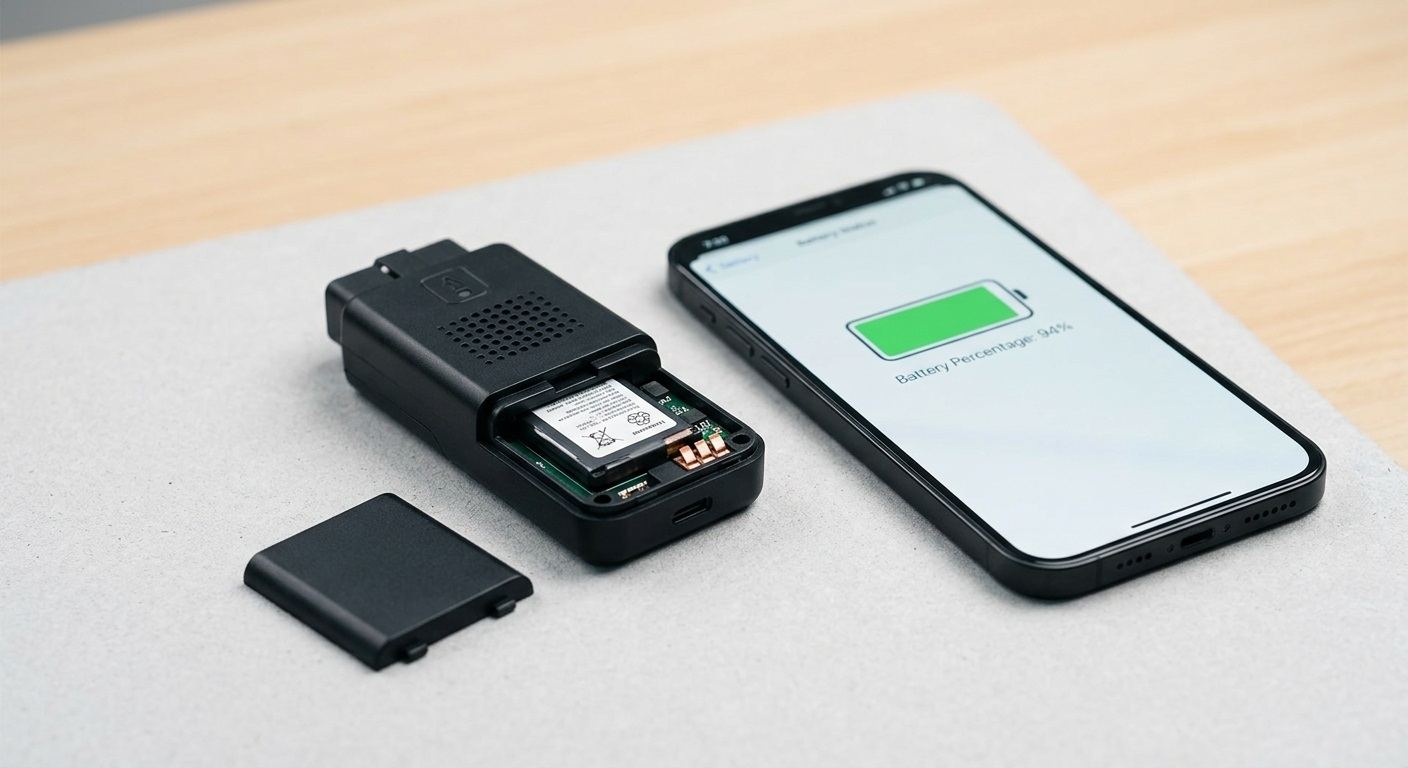
GPS tracker battery life is one of the most misleading specs in the entire category. A device advertised as lasting “up to 6 months” might deliver three weeks in real-world use, not because of false advertising exactly, but because the advertised figure assumes near-ideal conditions most owners never actually have.
🔋 Why the Advertised Number Rarely Matches Reality
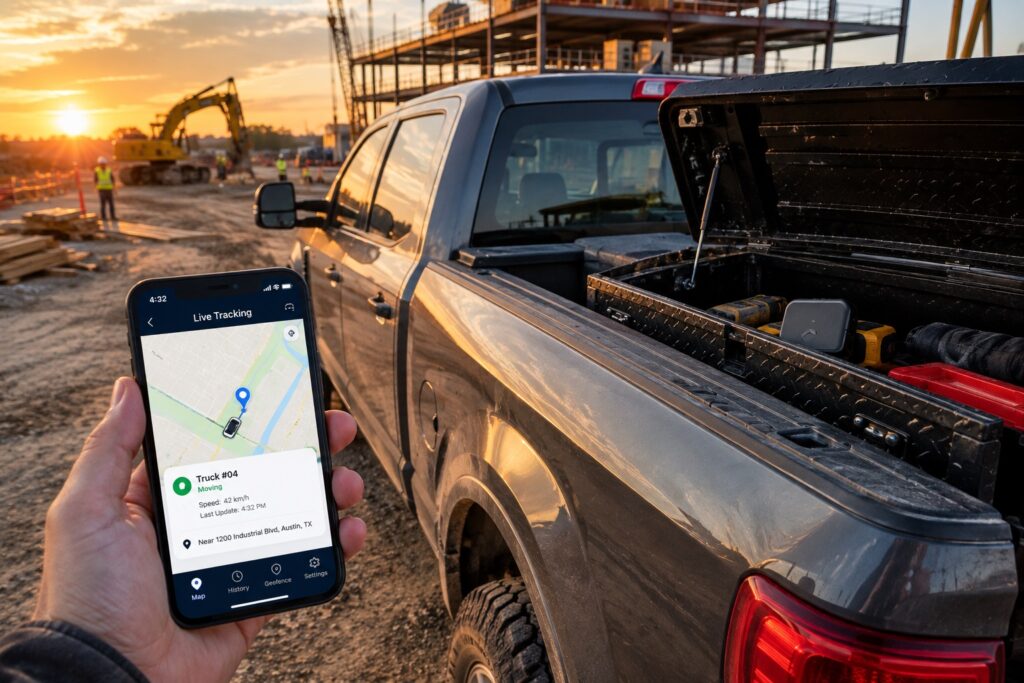
Reporting frequency dominates everything else — a tracker set to report location every 10 minutes will burn through battery dramatically faster than one reporting every few hours, and manufacturers typically advertise the longest-interval, best-case figure. Real-time tracking mode drains fastest — continuous live tracking, useful during an active theft response, can reduce battery life from months to days if left running constantly instead of switching back to standby. Cold weather cuts capacity significantly — lithium batteries lose a meaningful percentage of their usable capacity in freezing temperatures, which is why the same device performs differently in a heated garage versus an outdoor winter parking spot. Motion-triggered wake cycles add up — a tracker that wakes and reports every time the vehicle moves will drain faster on a car used daily than one parked in storage.
📊 What Actually Determines Real-World Battery Life
| Factor | Impact on Battery Life |
|---|---|
| Reporting interval | Largest single factor — every-10-minutes vs every-4-hours can be a 10x+ difference |
| Ambient temperature | Cold significantly reduces usable capacity; heat can accelerate long-term battery degradation |
| Live tracking usage | Continuous real-time mode drains far faster than standby-with-periodic-check-ins |
| Wired vs battery-only power | Wired units draw from the vehicle and sidestep the question almost entirely |
🛠️ Getting the Most Out of Your Tracker’s Battery
Set the longest reporting interval that still meets your needs — you don’t need a location update every few minutes for a car parked at home most of the day; a longer interval with the option to switch to live mode when needed covers most situations. Use live tracking sparingly, and switch back — treat real-time mode as something you turn on during an active concern, not a default setting. Consider a wired install for a daily-driver vehicle — a hardwired tracker draws continuous power from the car itself, which eliminates battery-life planning entirely for a vehicle you use regularly. Check the manufacturer’s stated operating temperature range — if you’re in a genuinely cold climate, this matters more than the headline battery-life number.
🔌 Wired vs Battery-Only: The Trade-off
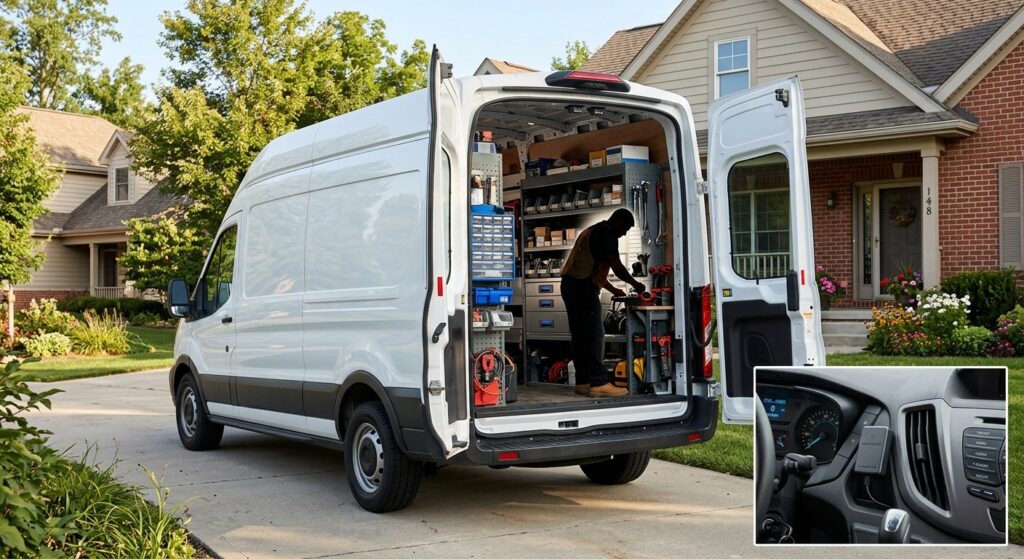
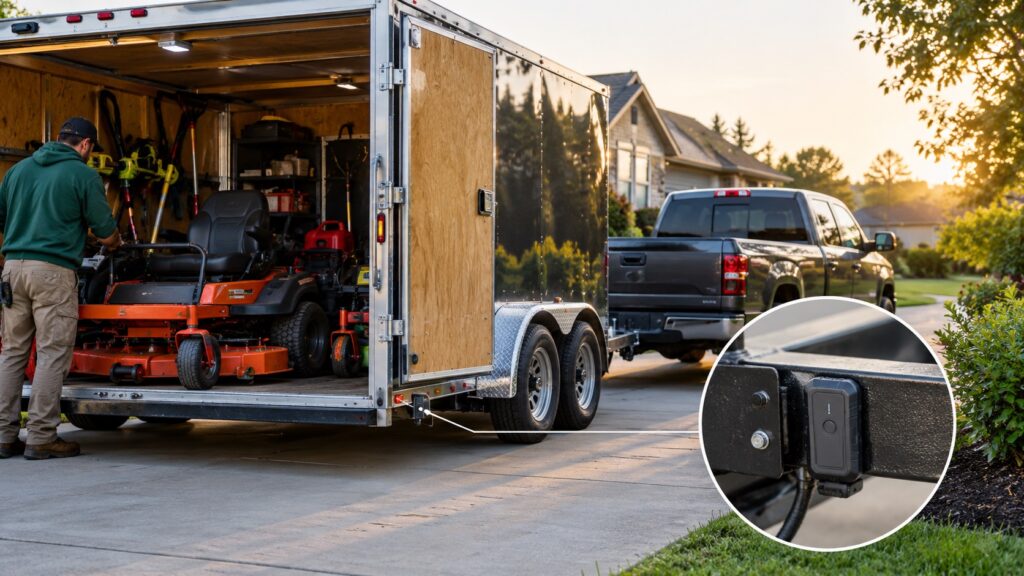
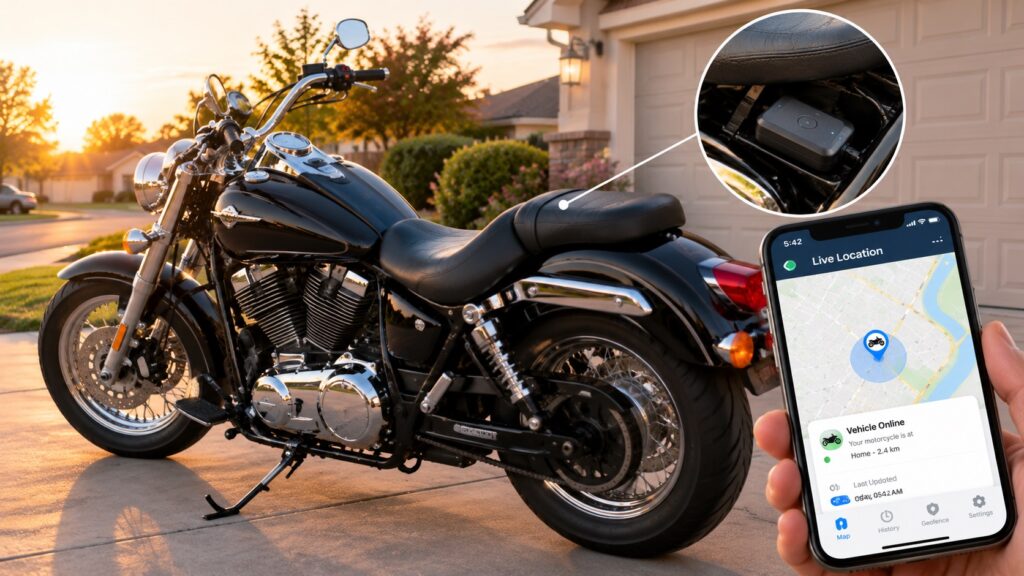
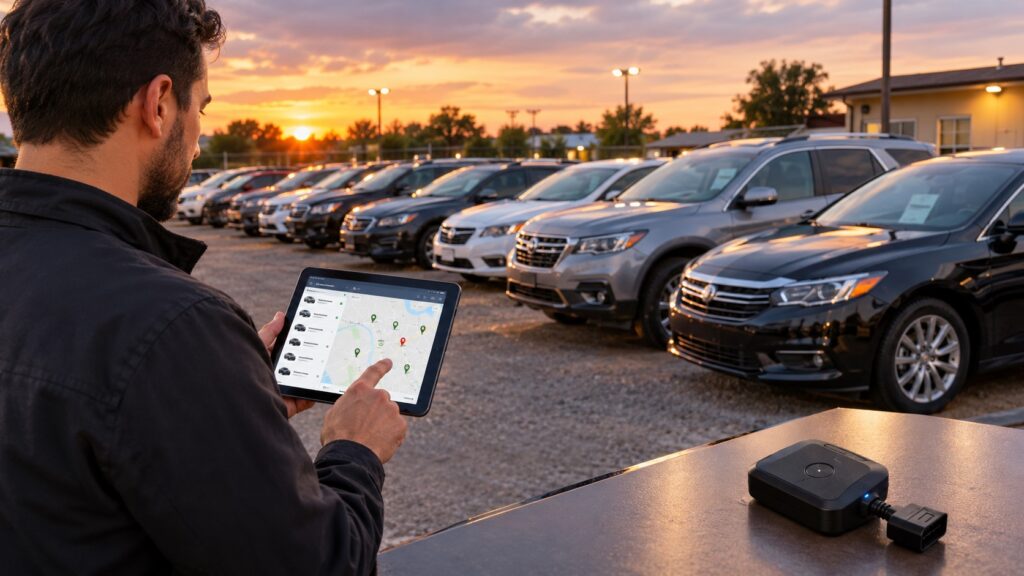
A wired tracker never runs out, since it draws directly from the vehicle’s electrical system — the trade-off is a proper installation, which usually means a wire tap into the vehicle. A battery-only tracker installs in seconds with zero wiring, but inherits every factor above and needs periodic charging or battery swaps depending on the model. Neither is universally “better” — a daily-driver benefits more from wired power, while a seasonal or storage vehicle often suits a battery unit precisely because there’s no ongoing wiring commitment.
❓ Frequently Asked Questions
Why is my tracker’s battery draining faster than advertised?
Almost always the reporting interval or live tracking mode — check your app’s settings first, since this is the single biggest lever most owners don’t realize they’re controlling.
Does cold weather permanently damage tracker batteries?
Occasional cold exposure typically just reduces temporary capacity rather than causing permanent damage, but consistently extreme cold over a long period can accelerate long-term battery wear, similar to any lithium battery.
Is a wired tracker worth the installation hassle?
For a vehicle you drive regularly, generally yes — it removes battery management from the equation entirely. For an occasional or seasonal vehicle, a battery unit with sensible reporting settings is usually simpler.
🔗 Related Reading
For general upkeep beyond battery habits, see our GPS Tracker Maintenance guide. If you’re weighing a hardwired install against a battery-only unit for the first time, our GPS Tracker Buying Checklist covers the ten questions worth asking before you commit. And if network coverage is also a concern for your device, see 2G Network Shutdown: Is Your GPS Tracker at Risk?. For general guidance on lithium battery care in extreme temperatures, see the Battery University reference on temperature effects.
If cost is also a factor, see our GPS Tracker Subscription Plans Explained.
✅ Final Thoughts
GPS tracker battery life comes down to a handful of controllable factors far more than the device itself — reporting interval and live-tracking habits matter more than almost any other spec. Understanding this before you buy, and adjusting settings after, closes most of the gap between the advertised number and what you’ll actually get.
🔋 Find a Tracker That Fits Your Actual Usage
Compare wired and battery-only GPS trackers built for real-world reliability.
One thought on “GPS Tracker Battery Life: What Actually Affects It”