


How a GPS Tracker Can Lower Car Insurance in the USA
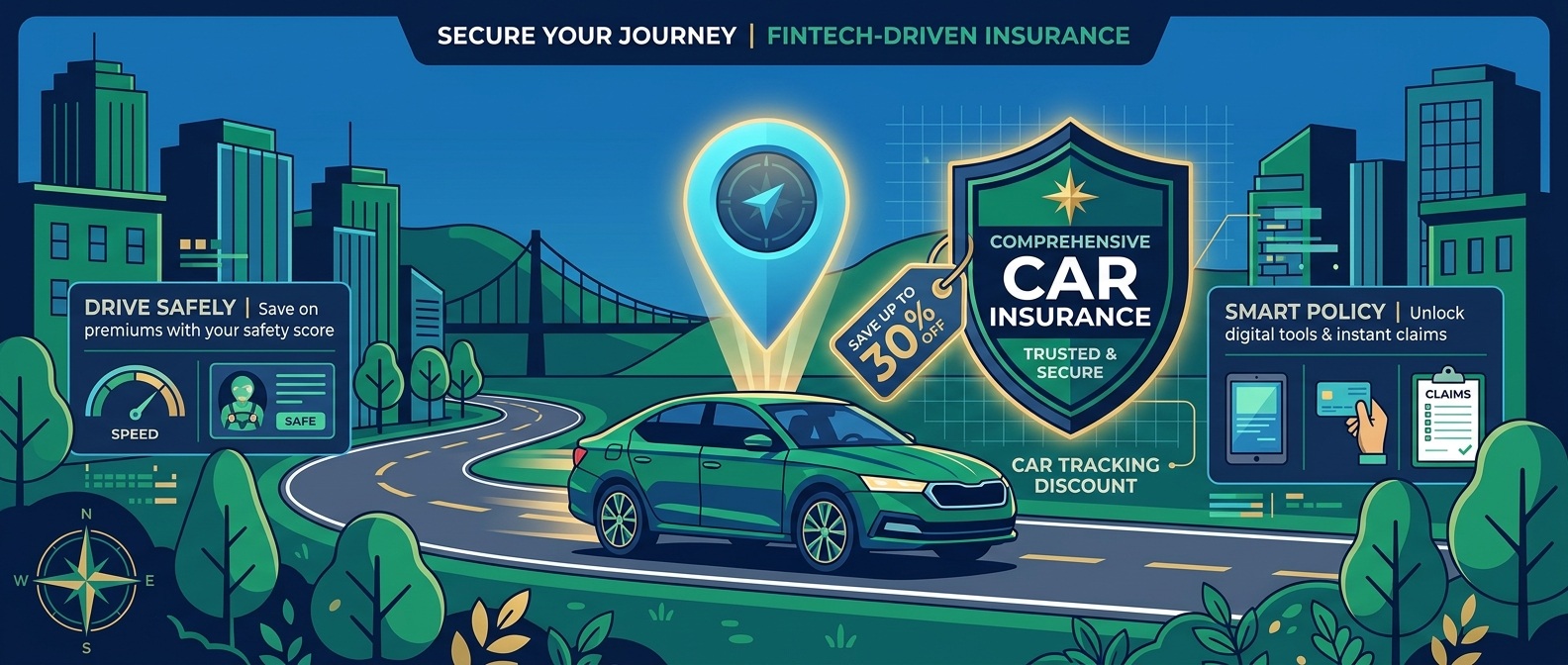
Can a GPS Tracker Lower Your Car Insurance in the USA?
Telematics discounts are real, but the details vary a lot by insurer. Here's what actually matters before you buy.
Whether a GPS tracker can lower car insurance in the USA genuinely depends on your specific insurer, the type of device, and whether you're looking at basic anti-theft tracking or a full usage-based insurance program. Both exist in the American market today, and understanding the difference helps you ask the right questions instead of assuming any tracker automatically triggers a discount.
📉 Two Very Different Discount Paths
📋 Questions to Ask Your Insurer
| Question | Why It Matters |
|---|---|
| Do you offer an anti-theft device discount? | Not always advertised prominently — worth asking directly |
| Is there an approved device list? | Some insurers only recognize specific certified trackers |
| Do you have a usage-based insurance program? | Often offers larger savings but requires driving behavior data |
| Can I use my own tracker's data, or do I need your device? | Most UBI programs require their own app or hardware |
| Is the discount permanent or does it require renewal proof? | Some programs require ongoing confirmation the device is active |
🛠️ Steps to Actually Get a Discount
⚖️ Is It Worth the Privacy Tradeoff?
Usage-based insurance programs generally offer larger discounts specifically because they collect more detailed data about your actual driving habits, and it's worth thinking through whether that tradeoff makes sense for you personally. A driver confident in consistently safe habits — smooth braking, obeying speed limits, limited late-night driving — often benefits meaningfully from these programs. A driver less certain about their own patterns, or simply uncomfortable sharing detailed behavior data with an insurer, may prefer sticking with a basic anti-theft device discount instead, which requires far less data sharing for a smaller but still meaningful savings.
For a deeper look at how a GPS tracker's core theft-protection features actually work, independent of any insurance discount, our GPS tracker buying checklist covers what to look for regardless of your insurance goals.
❓ Frequently Asked Questions
Do all US insurers offer a GPS tracker discount?
No — availability and program structure vary significantly by insurer and even by state, since insurance regulation itself is largely state-based in the US. Directly asking your specific insurer is the most reliable way to find out what's actually available to you.
Will installing a tracker automatically lower my rate?
Not automatically — you typically need to actively enroll in a specific program or provide documentation of an approved device, rather than assuming a discount applies simply because you've installed some kind of tracking technology.
Can I use an independent, non-insurer GPS tracker for a discount?
For basic anti-theft discounts, sometimes yes, provided the device is on your insurer's approved list. For full usage-based insurance programs specifically, insurers almost always require their own proprietary app or hardware rather than accepting data from an independent third-party tracker.
🏍️ Does This Apply to Motorcycle Insurance Too?
Many of the same principles extend to motorcycle insurance, where anti-theft tracking devices can similarly support a modest premium discount with certain insurers, given how frequently motorcycles are targeted for theft compared to cars. If a motorcycle is part of your household alongside a car, it's worth asking your insurer about tracker discounts for both vehicles separately, since eligibility and discount size don't necessarily match between the two vehicle types even with the same insurer. Our partner site MotoTechBD's Motorcycle Safety Gear Guide for 2026 covers additional security basics worth pairing with tracking for a motorcycle specifically.
📊 Anti-Theft Discount vs Usage-Based Insurance: A Closer Look
| Factor | Anti-Theft Device Discount | Usage-Based Insurance (UBI) |
|---|---|---|
| Typical Discount Size | Modest, single-digit percentage range | Potentially larger for consistently safe drivers |
| Data Shared | Minimal — proof of device installation | Detailed driving behavior, continuously |
| Device Required | Any insurer-approved tracker | Almost always the insurer's own app or hardware |
| Best Suited For | Most drivers wanting a straightforward, low-data-sharing discount | Confident safe drivers wanting maximum savings |
🗺️ State-by-State Variation in Availability
Because auto insurance in the United States is regulated primarily at the state level rather than federally, both anti-theft device discounts and usage-based insurance program availability can vary depending on which state you're in, even with the exact same insurance company. A program actively marketed in one state might not be available, or might have different terms, in another state served by the same insurer, which is precisely why checking directly with your specific insurer for your specific state matters more than relying on general information you might see in national advertising.
This state-level variation also means it's worth re-checking periodically even if a program wasn't available when you last asked, since insurers do expand program availability to new states over time as they scale up telematics offerings nationally.
💡 Getting the Most Value From Either Approach
Whichever path you choose, the underlying device still needs to actually work reliably to deliver real value beyond just the insurance discount itself. A basic anti-theft tracker chosen purely to qualify for a modest insurance discount, without regard to its actual real-time alert speed or backup battery quality, may technically satisfy your insurer's requirements while still leaving you with weaker genuine theft protection than a slightly better device would provide for a similar cost.
Treating the insurance discount as a meaningful bonus on top of a genuinely solid security device, rather than the primary selection criterion, tends to produce a better overall outcome — you get both the modest premium savings and actual reliable protection, rather than optimizing narrowly for discount eligibility at the expense of real-world performance.
✅ Final Thoughts
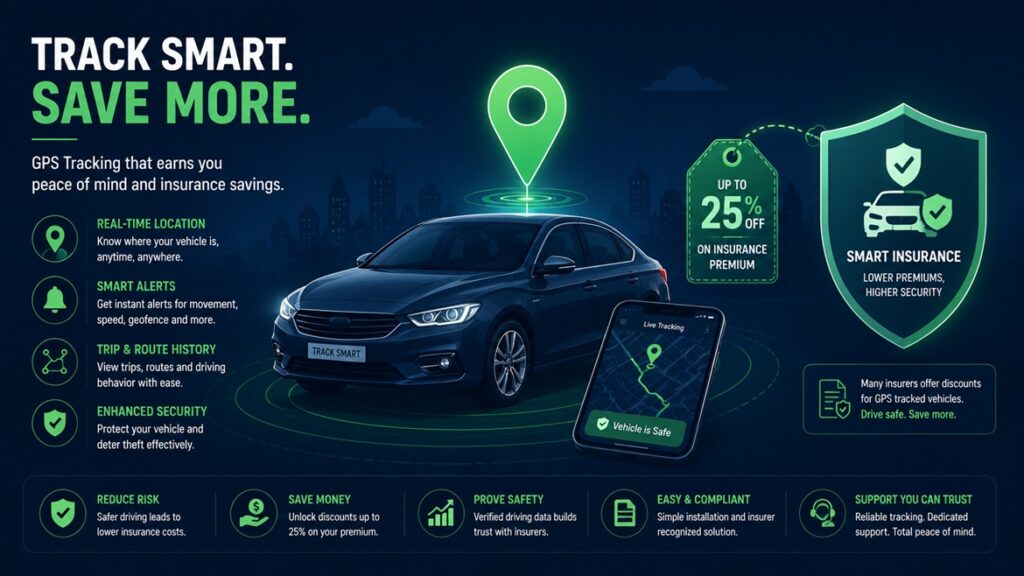
A GPS tracker can genuinely lower car insurance costs in the USA, through either a modest anti-theft device discount or a potentially larger usage-based insurance program, but neither happens automatically. Calling your insurer directly, understanding the difference between the two discount types, and deciding how much driving-behavior data you're comfortable sharing are the real steps that determine whether — and how much — you actually save.
📍 Protect Your Vehicle, Ask About Savings
Explore GPS tracker models commonly accepted for anti-theft insurance discounts across major US insurers.
2 thoughts on “How a GPS Tracker Can Lower Car Insurance in the USA”