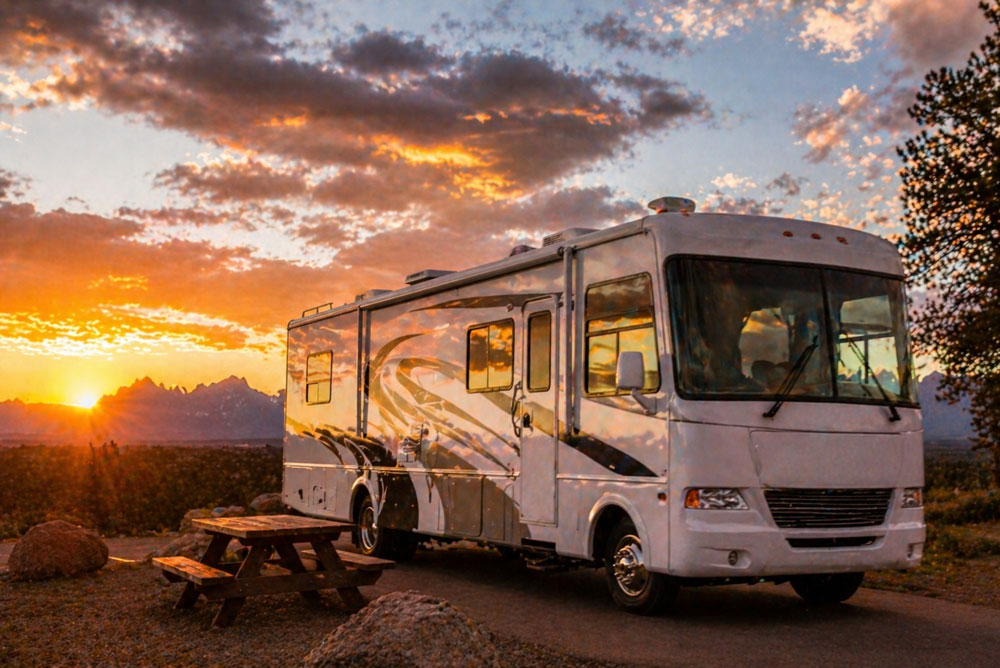


GPS Tracker for RVs and Road Trips in the USA
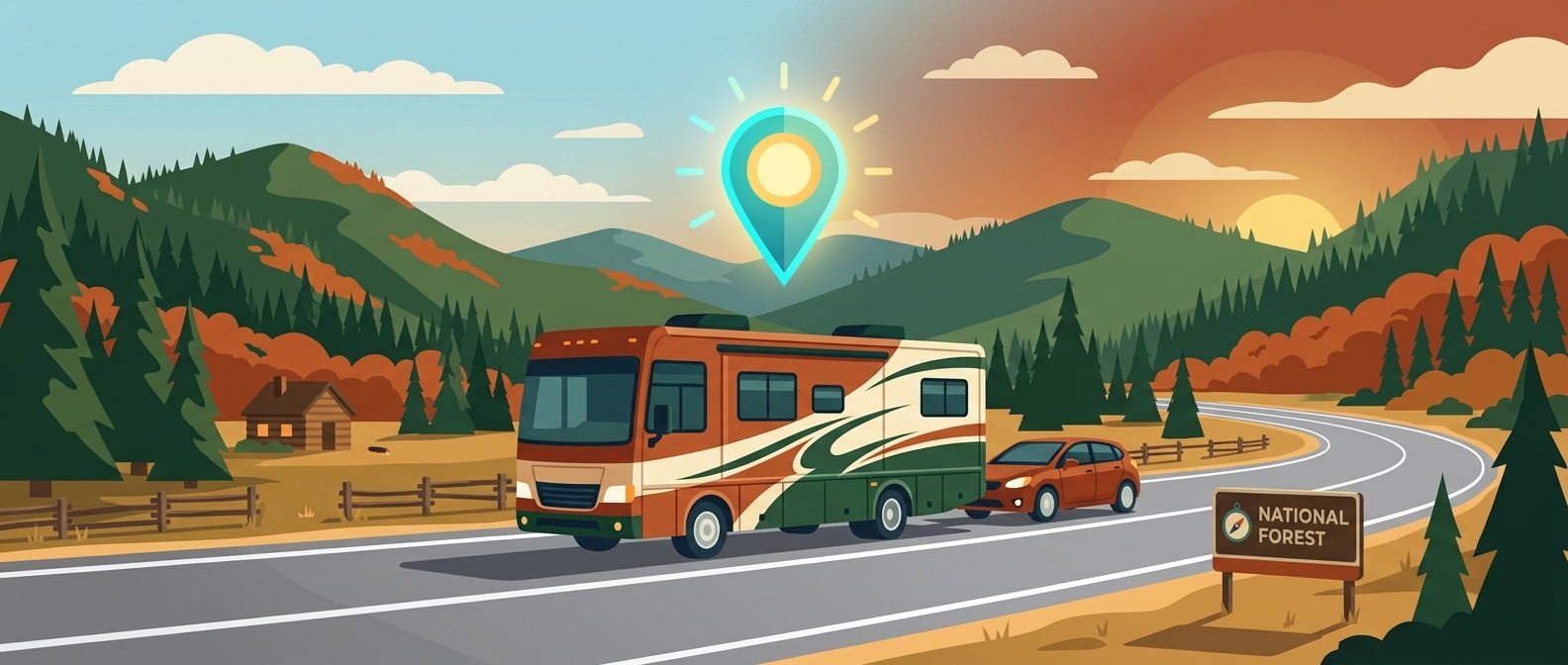
GPS Tracker for RVs and Road Trips in the USA
Cross-country travel and RV parks bring a different set of tracking needs than your everyday commute.
A GPS tracker for RV and road trip travel needs to handle challenges a daily commuter car tracker simply never faces — extended stretches of highway with patchy cellular coverage, RVs parked unattended at campgrounds for days at a time, and in many cases a second vehicle being towed that needs its own visibility. Whether you're a full-time RVer or planning a two-week summer road trip, here's what actually matters.
🛣️ Why Road Trips Need a Different Tracking Approach
📊 Daily Commuter vs Road Trip Tracking Priorities
| Factor | Daily Commuter Vehicle | RV / Road Trip Vehicle |
|---|---|---|
| Typical Unattended Time | Hours | Days at a time |
| Coverage Consistency | Generally reliable urban/suburban signal | Variable, with real rural gaps |
| Geofencing Style | Fixed home/work boundaries | Flexible, route-based boundaries |
| Secondary Vehicle Needs | Not applicable | Towed car may need its own tracker |
🛠️ Setting Up Tracking for a Road Trip or RV
🏕️ Campground and Rest Stop Security Considerations
Extended stays at campgrounds, rest stops, and RV parks present a genuinely different security profile than typical daily parking. Vehicles sit in the same, sometimes unsupervised location for multiple days, occasionally in less populated or seasonal locations with limited oversight. Real-time movement alerts matter considerably here, since unexpected movement during a period you know the vehicle should be stationary is an immediate red flag worth investigating right away, rather than something you'd only discover upon returning to the vehicle days later.
For full-time or frequent RVers, this pattern repeats constantly across a travel season, making reliable tracking less of an occasional convenience and more of a standing operational necessity similar to how a fleet operator would think about vehicle security, just applied to personal travel rather than a business fleet.
For a broader look at what to check before choosing any tracker, our GPS tracker buying checklist covers the ten questions worth asking regardless of your specific travel style.
❓ Frequently Asked Questions
Do I need a different tracker for my RV than for the car I tow behind it?
Generally yes, if genuine visibility into both matters — a tracker on the RV only shows the RV's location, which becomes disconnected from the towed vehicle the moment it's unhitched, whether intentionally or through theft.
How do I handle geofencing on a multi-state road trip?
Most tracking apps let you update or add geofences as you go, so setting a rolling boundary around your current general area — updated every few days as you progress — works better than trying to define the entire route boundary upfront.
Will a tracker work in national parks or remote areas with no cell service?
A tracker with offline logging capability will continue recording location locally even without signal, syncing that data once connectivity returns, though it won't provide real-time alerts during the actual coverage gap itself.
❄️ Snowbird and Seasonal Vehicle Considerations
A significant portion of RV owners fall into the seasonal "snowbird" pattern — spending summers in one region and winters in another, often leaving a vehicle parked and unused for months at a time between seasonal migrations. This extended dormancy period creates a genuinely different tracking scenario than even a typical multi-day campground stay, since the vehicle may sit stationary for weeks or months with no one physically checking on it.
For this pattern specifically, battery longevity becomes the dominant consideration — a tracker rated for days or weeks of standalone battery life simply won't hold up through a multi-month off-season storage period without either continuous power access or a solar-assisted charging option. Snowbirds storing a vehicle for extended periods should specifically prioritize either a wired connection that draws minimal power even while the vehicle is off, or a dedicated long-duration asset tracker more commonly used for equipment that also sits idle for extended stretches, rather than a standard daily-use vehicle tracker not designed for months of continuous standalone operation.
🗺️ Planning Routes Around Coverage Reality
Beyond just having offline logging as a technical backup, it's worth proactively researching cellular coverage along your planned route before a long trip, particularly through less populated states or extended stretches of national park and wilderness areas where coverage gaps tend to concentrate. Several carriers and independent services publish coverage maps that can help identify where gaps are likely, letting you set expectations accordingly rather than being caught off guard by an extended period without real-time tracking visibility.
For routes with known extended gaps, some road trippers specifically choose to pair their standard cellular GPS tracker with a separate satellite communicator, primarily for personal emergency communication rather than vehicle tracking specifically, but the added redundancy provides genuine peace of mind for routes through truly remote areas where even offline-logging trackers eventually need to reconnect to sync their stored data.
🏦 Insurance Considerations for RVs and Road Trip Vehicles
RV insurance policies sometimes differ meaningfully from standard auto policies, and it's worth specifically asking your RV insurer whether they offer any premium benefit for demonstrated GPS tracking, similar to the discounts sometimes available for standard vehicles. Given RVs represent a substantial investment and face genuine theft risk during extended unattended parking periods, this is a conversation worth having directly with your specific insurer rather than assuming standard auto tracking discounts automatically apply to RV-specific policies.
✅ Final Thoughts
A GPS tracker for RV and road trip travel needs to handle extended unattended time, patchy remote coverage, and sometimes a towed second vehicle — challenges a standard daily-commute tracker isn't necessarily built around. Prioritizing offline logging, solid battery life, and flexible geofencing gives road trippers and RVers the kind of reliable visibility that actually holds up across a multi-week journey rather than just a daily drive to work.
🚐 Gear Up for Your Next Trip
Explore GPS tracker models built for extended travel, offline logging, and multi-vehicle road trip setups.