


Wired vs Portable GPS Trackers: Which Should You Choose?
2026 Buyer’s Guide
Wired vs Portable GPS Trackers: Which Should You Choose?
Two fundamentally different approaches to vehicle tracking — here’s how to tell which one actually fits your situation.
The wired vs portable GPS tracker question is usually the first real decision point once you’ve decided to track a vehicle at all. Both approaches solve the same core problem, but they trade off in ways that matter a lot depending on how you actually use the vehicle.
🔌 How Wired Trackers Work
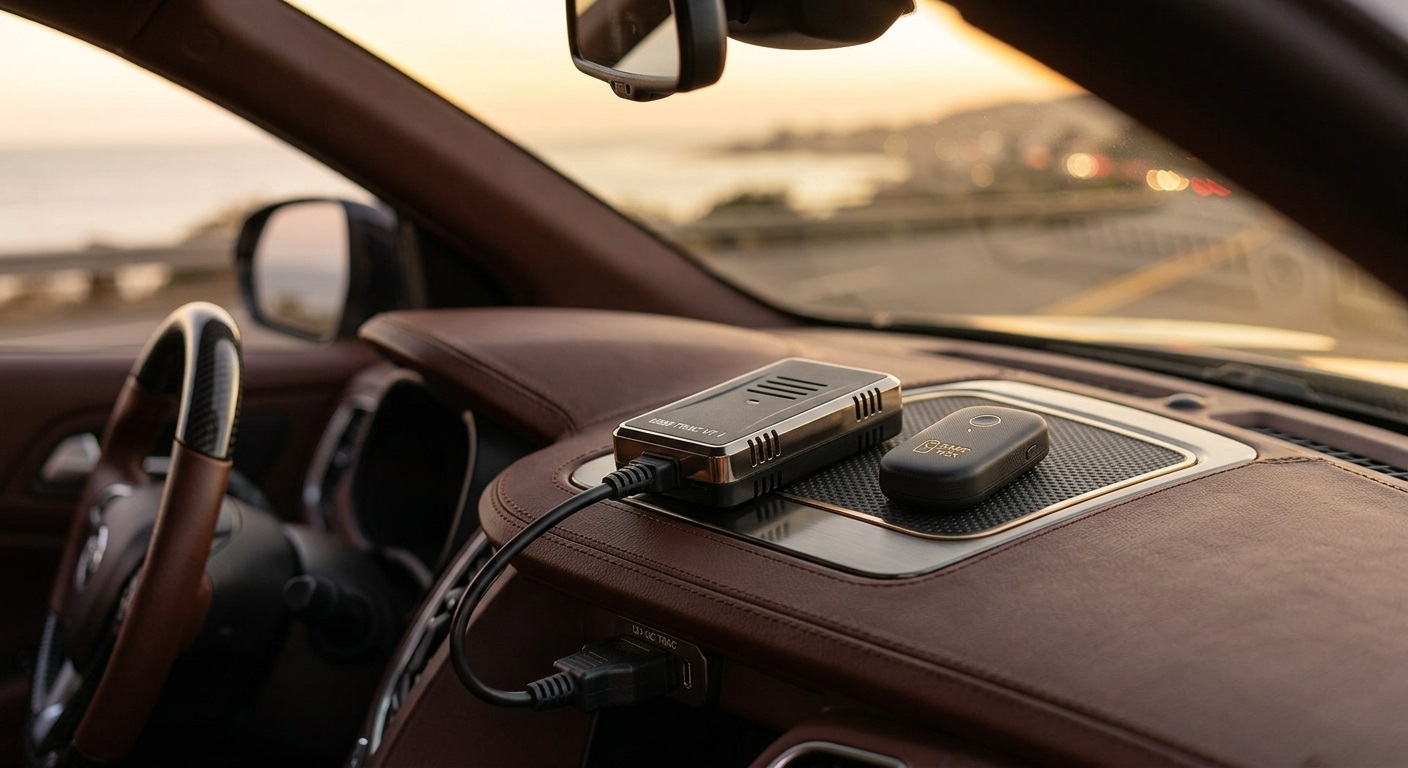
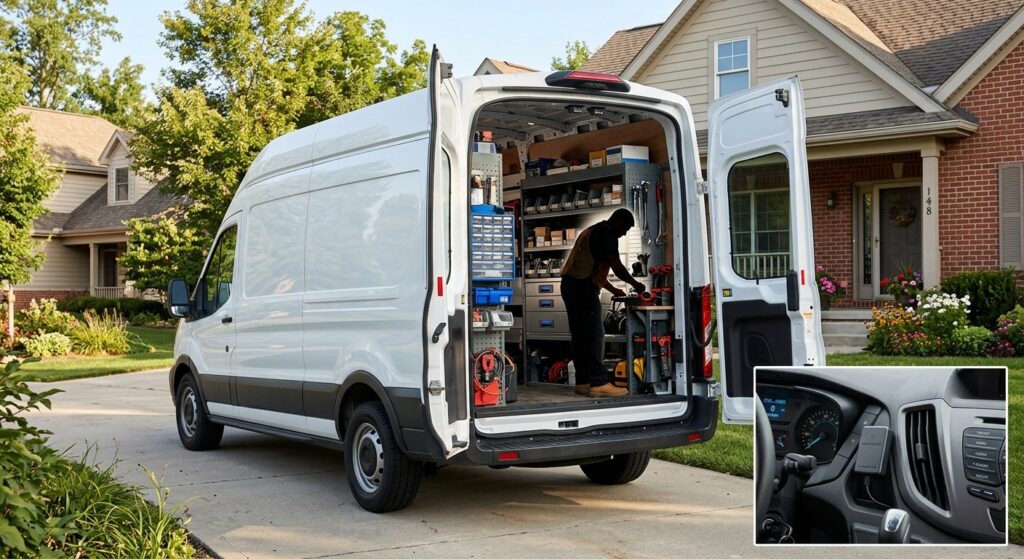
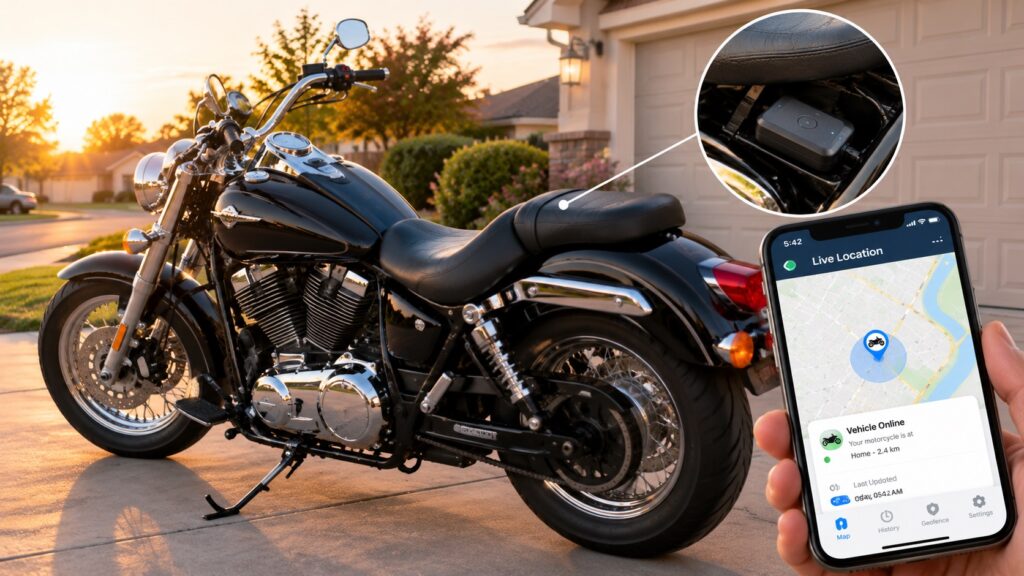
A wired GPS tracker connects directly to the vehicle’s electrical system, typically tapped into a constant or ignition-switched power source. Continuous power — no battery to charge, monitor, or replace, since the vehicle itself powers the device for as long as it’s connected. Stronger anti-theft features — wired installs often support engine immobilization and other active theft-response features that battery-only units generally can’t. More discreet placement — a professional install can tuck the device somewhere far less obvious than a plug-and-play unit sitting in the OBD port. Installation required — this is the trade-off: wiring typically means either a professional installer or comfort doing basic 12V wiring yourself.
🔋 How Portable Trackers Work
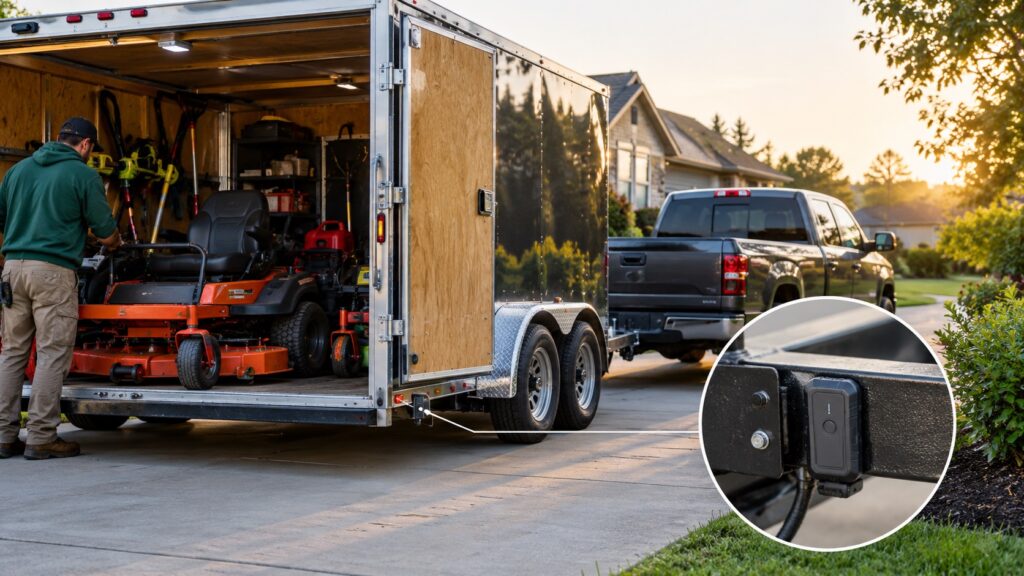
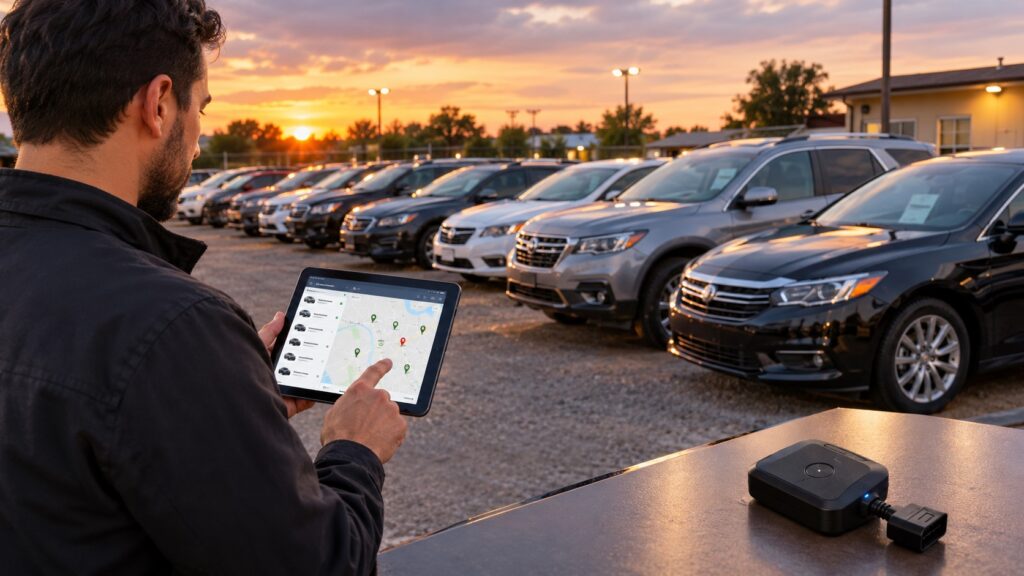
A portable or plug-and-play tracker either plugs into the OBD-II port or runs entirely on its own battery, with zero wiring involved. Installs in seconds — no tools, no wiring, no appointment; you plug it in or place it and you’re tracking within minutes. Moves between vehicles easily — useful if you track more than one car, or if the tracked vehicle changes over time (a rental, a teen’s car during a specific period, etc.). No permanent commitment — ideal for a leased vehicle or one you plan to sell, since nothing needs to be removed or undone. Battery life becomes a real factor — this is the trade-off: reporting frequency and usage patterns directly affect how often you’ll need to charge or replace the battery.
📊 Side-by-Side Comparison
| Factor | Wired | Portable |
|---|---|---|
| Installation | Requires wiring, often professional | Plug-and-play, seconds to install |
| Power | Continuous, from the vehicle | Battery-dependent, needs charging |
| Anti-theft features | Can support engine immobilization | Location and alerts only, generally |
| Best for | Daily-driver, long-term ownership | Leased cars, multiple vehicles, short-term use |
🛠️ How to Actually Decide
Choose wired if you own the vehicle long-term and drive it daily — the upfront installation effort pays off in never thinking about battery life again, plus access to stronger anti-theft features. Choose portable if the vehicle is leased, seasonal, or might be sold soon — nothing to remove, nothing to undo, and it moves with you if your situation changes. Choose portable if you’re tracking more than one vehicle at different times — a single portable unit can rotate between cars far more easily than multiple wired installs. Consider your comfort with installation — if wiring into a vehicle isn’t something you want to do yourself, factor in professional installation cost before committing to a wired unit.
❓ Frequently Asked Questions
Can I install a wired tracker myself?
Some owners do, if they’re comfortable with basic 12V wiring, but many choose professional installation to avoid affecting the vehicle’s electrical system or warranty.
Do portable trackers work as well as wired ones?
For location tracking and alerts, generally yes — the main gap is in active anti-theft features like immobilization, which mostly require a wired connection.
Can I switch from portable to wired later?
Often yes, if you stay with the same provider — many offer both hardware types on the same subscription plan, so switching is usually just a hardware swap.
🔗 Related Reading
Whichever format you choose, reporting settings matter a lot for real-world performance — see our guide on GPS Tracker Battery Life: What Actually Affects It. If you’re comparing against a phone-based alternative entirely, see GPS Tracker vs Apple AirTag for Your Car. And before buying either format, our GPS Tracker Buying Checklist covers the ten questions worth asking any provider. For general background on OBD-II ports used by most portable trackers, see the NHTSA’s OBD overview.
Once you’ve picked a format, see GPS Tracker Installation: DIY vs Professional for the next decision.
✅ Final Thoughts
The wired vs portable GPS tracker decision comes down to how long you’ll own the vehicle and how much installation effort you’re willing to put in upfront. Wired suits long-term daily drivers who want the strongest feature set; portable suits flexibility, multiple vehicles, and zero-commitment installs.
🔌 Compare Wired and Portable Options
Find the tracker format that actually matches how you use your vehicle.

One thought on “Wired vs Portable GPS Trackers: Which Should You Choose?”