

GPS Tracker Installation: DIY vs Professional — Which Should You Choose?
2026 Installation Guide
GPS Tracker Installation: DIY vs Professional — Which Should You Choose?
Some installs take thirty seconds. Others genuinely shouldn’t be attempted without training. Here’s how to tell which is which.
Not every GPS tracker installation is the same job. Some devices are designed for a complete beginner to install correctly in under a minute; others involve wiring decisions that can affect your vehicle’s electrical system if done wrong. Knowing which category your device falls into — before you buy, not after — saves both time and potential damage.
🔧 When DIY Installation Makes Sense
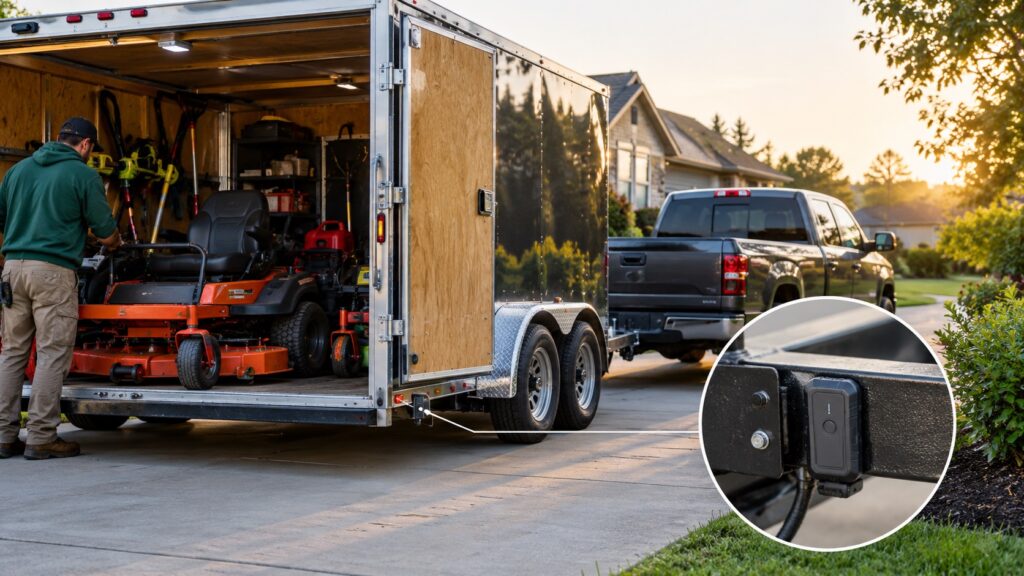
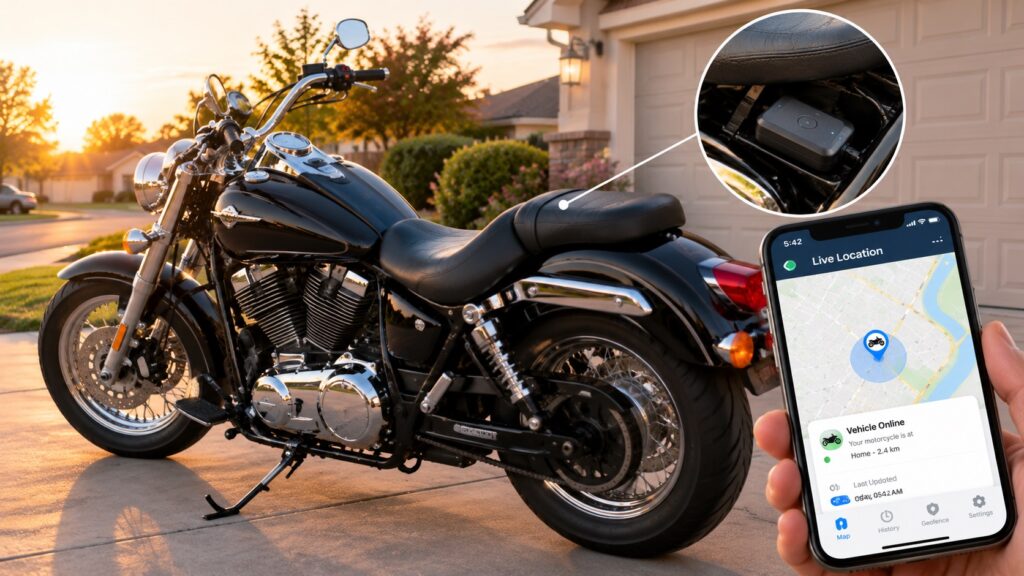
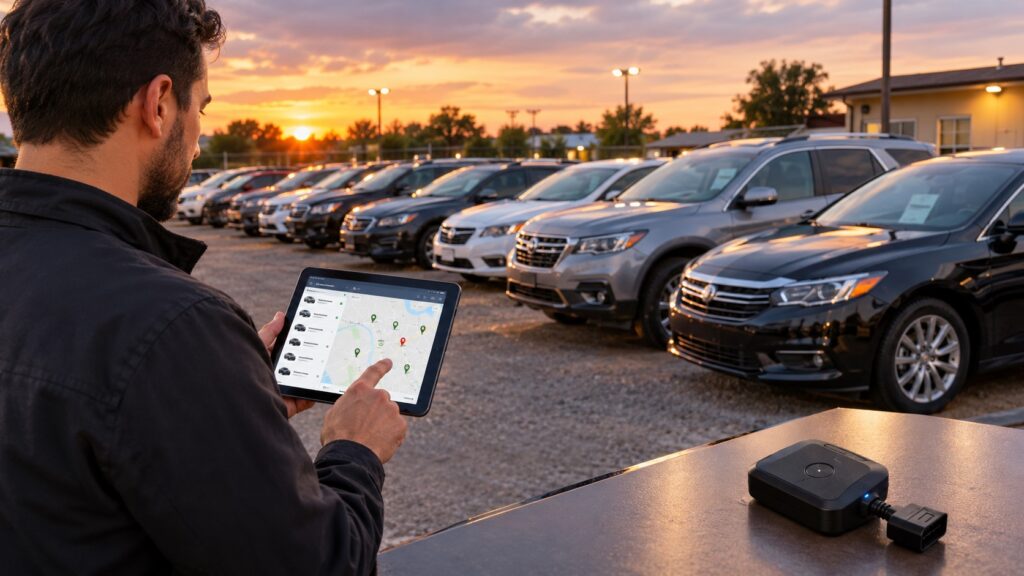
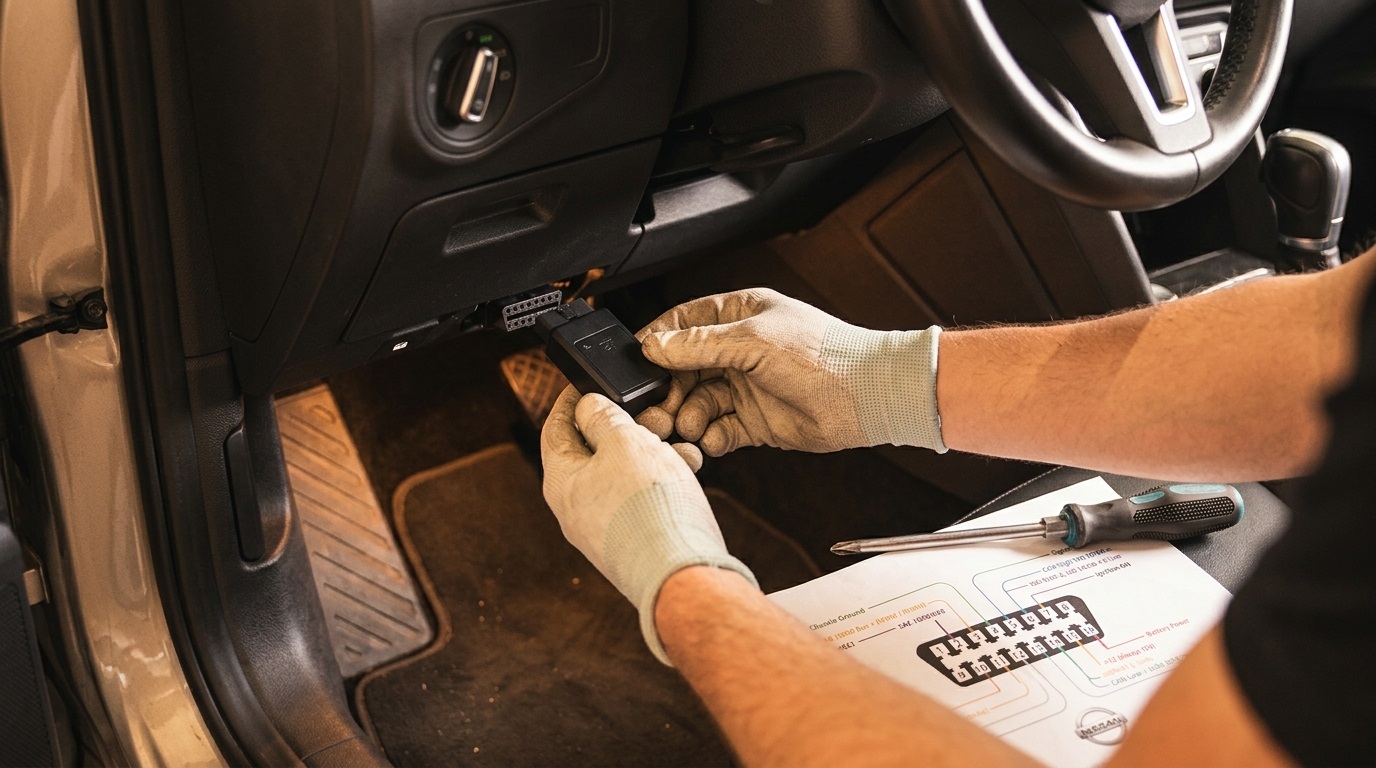
OBD-II plug-in trackers — these plug directly into your vehicle’s diagnostic port with zero wiring involved; if your device is this type, DIY isn’t just possible, it’s the intended installation method. Battery-powered magnetic units — designed to be placed and go, with no tools or vehicle access required at all. Basic hardwired units with clear wiring diagrams — if you’re comfortable with basic 12V electrical work and the manufacturer provides a clear diagram, a simple wired install is often within DIY reach. You want to move the tracker between vehicles — a self-installed unit is inherently easier to relocate than a professionally hardwired one.
🛠️ When Professional Installation Is Worth It
| Situation | Why Professional Helps |
|---|---|
| Engine immobilization features | Wiring into ignition/fuel systems carries real risk if done incorrectly |
| Warranty concerns | Some vehicle warranties specify professional installation for aftermarket electrical add-ons |
| Discreet, hidden placement | Professionals know common theft-check spots and can hide the unit more effectively |
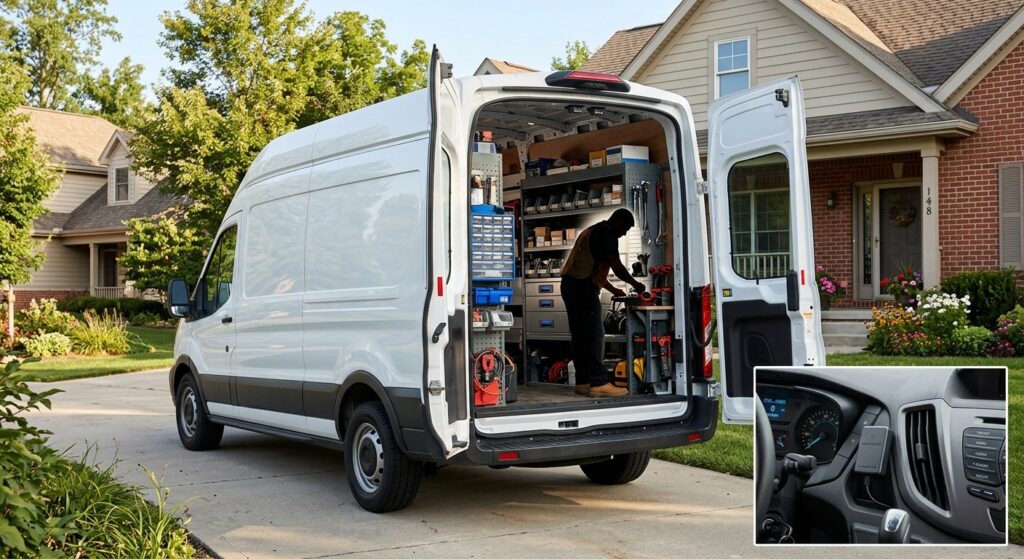
| Complex or modern vehicle wiring | Newer vehicles with complex electrical systems carry higher risk of error for untrained installers |
💰 Weighing the Cost Trade-off
DIY saves the installation fee entirely — often $0 vs a professional install that can run from a modest fee to a significant cost depending on your region and installer. Professional installation reduces risk on complex jobs — a botched DIY wiring job can cause more expensive problems than the installation fee would have cost, particularly for anything touching ignition or fuel systems. Consider your own comfort level honestly — a confident DIYer with electrical experience faces very different risk than someone attempting their first wiring job on advice from a forum post. Factor in time, not just money — a professional install typically takes far less time than a first-time DIY attempt, which matters if your vehicle needs to be back in service quickly.
🛠️ Getting a Safe DIY Install Right
Read the entire manual before starting, not just the quick-start section, since wiring color codes and fuse tap points vary between vehicles and devices. Disconnect the battery before any wiring work as a basic safety precaution against short circuits. Use a proper fuse tap, not a direct splice, to avoid drawing power in a way that could damage the vehicle’s electrical system. Test thoroughly before finalizing placement, confirming the device reports correctly before you tuck it into its final hidden location.
❓ Frequently Asked Questions
Will DIY installation void my car’s warranty?
It depends on your specific manufacturer’s warranty terms — some explicitly exclude aftermarket electrical modifications from warranty coverage, so it’s worth checking before you start, particularly for a newer vehicle.
How much does professional GPS tracker installation typically cost?
This varies significantly by region and installer, but it’s generally a modest one-time fee — worth comparing against the value of avoiding electrical mistakes if you’re not confident doing it yourself.
Can I switch from a DIY plug-in tracker to a hardwired one later?
Yes, many providers offer both hardware types on the same subscription — if you start with a simple plug-in device and later want stronger anti-theft features, upgrading to a professionally installed wired unit is usually straightforward.
🔗 Related Reading
If you’re still deciding on hardware format first, see Wired vs Portable GPS Trackers: Which Should You Choose?. Once installed, our GPS Tracker Maintenance guide covers keeping it working reliably. And before buying, our GPS Tracker Buying Checklist covers the ten questions worth asking any provider. For general vehicle electrical safety guidance, see the NHTSA’s vehicle electronics resources.
✅ Final Thoughts
The DIY vs professional GPS tracker installation decision comes down to your device type and your own comfort with basic vehicle wiring. Plug-in and battery units are built for DIY by design; anything touching ignition or fuel systems is where professional installation earns its cost through reduced risk.
🔧 Find the Right Installation Path for You
Explore GPS trackers built for easy self-installation, or ones designed for professional setup.