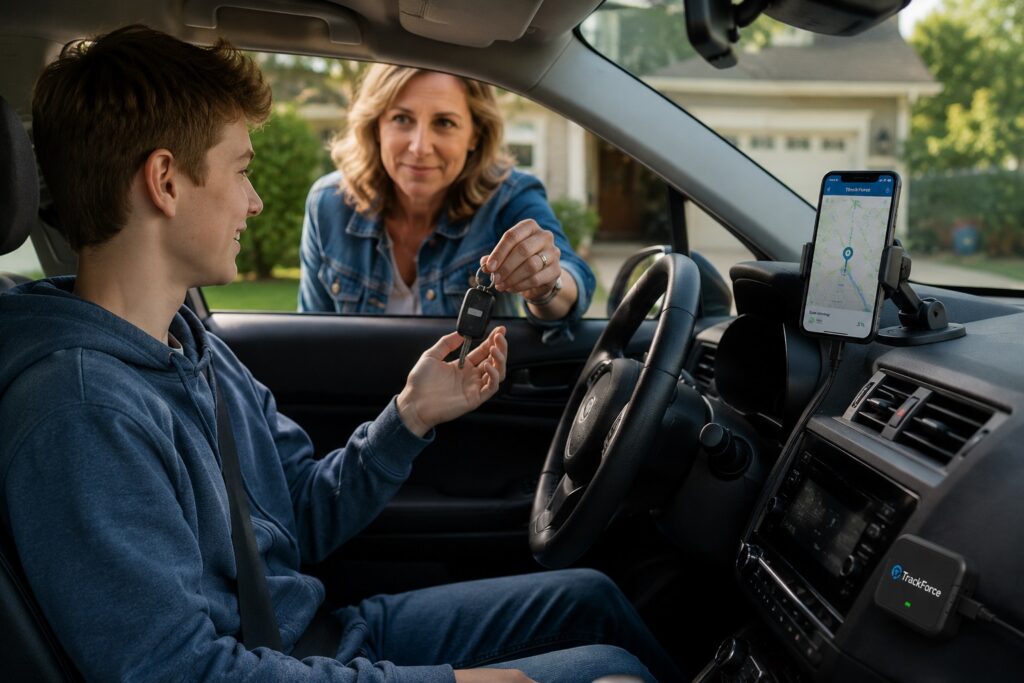


Best GPS Tracker for Teen Drivers in the USA
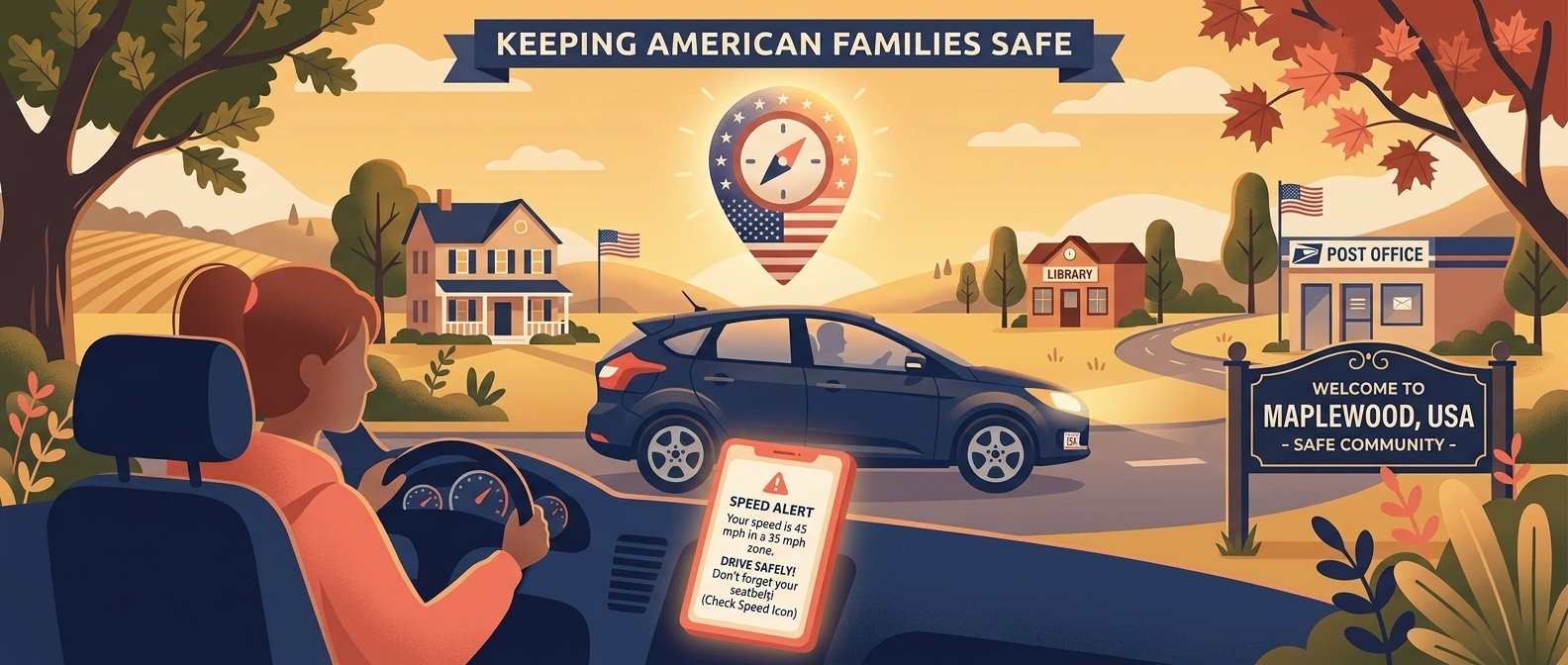
Best GPS Tracker for Teen Drivers in the USA
A practical, trust-first approach to tracking a new driver — built for real family conversations, not surveillance.
Choosing a GPS tracker for teen drivers in the USA is one of the more common reasons American parents look into vehicle tracking for the first time, especially during the graduated licensing period most states use to phase in driving privileges. Done well, it's a genuine safety tool that builds trust over time. Done poorly, it can feel like surveillance and damage the exact relationship you're trying to protect. Here's how to get it right.
🚸 Why This Period Specifically Matters
Most US states use some form of graduated driver licensing, which phases in full driving privileges over time rather than granting them all at once. This structure exists precisely because the first year or two of independent driving carries meaningfully higher risk than later years, as new drivers are still building judgment around speed, following distance, and unfamiliar road conditions. A GPS tracker fits naturally into this same phased approach — offering visibility during the highest-risk window, with the expectation that monitoring loosens as experience and trust build.
🔑 Features That Actually Matter for Teen Drivers
🗣️ Starting the Conversation the Right Way
The single biggest factor in whether tracking works well within a family isn't the device — it's how it's introduced. Framing it as a shared safety tool tied to the same graduated privileges already built into most state licensing systems, rather than a secret parental surveillance measure, changes how it lands entirely. Most teens respond far better to "this is part of how we're doing the first year, like the state's own restrictions" than to discovering monitoring they didn't know existed.
For a deeper look at having this conversation well — including how the approach should differ for teen drivers versus other family tracking situations like elderly parents — our full guide on GPS trackers for family safety covers the consent conversation in detail.
📊 What to Prioritize by Family Situation
| Situation | Priority Feature |
|---|---|
| Newly licensed teen, first months | Speed alerts, curfew geofencing |
| Teen driving to school/activities regularly | Route geofencing between known locations |
| Shared family vehicle, multiple drivers | Driver-specific trip identification if available |
| Teen with established safe driving record | Lighter-touch monitoring, fewer active alerts |
🛠️ Setting Up Tracking Respectfully
❓ Frequently Asked Questions
Should I tell my teen the car is being tracked?
Yes — transparency is what makes this work as a trust-building tool rather than a source of resentment. Most families find that framing tracking as a temporary condition tied to gaining experience, discussed openly upfront, produces a far better outcome than a teen discovering monitoring they didn't know about.
Does GPS tracking count toward any state teen driving requirements?
No — GPS tracking is a voluntary parental tool and isn't part of formal state graduated licensing requirements, though it can support the spirit of those programs by reinforcing curfew and driving habit expectations during the same higher-risk period those laws are designed around.
When should I loosen or remove tracking as my teen gains experience?
This varies by family, but many parents tie it loosely to the same timeline as their state's graduated licensing restrictions lifting, or to a demonstrated period of safe, consistent driving — whichever feels like the more meaningful marker of readiness for your specific teen.
💰 Insurance Considerations for Teen Drivers
Adding a teen driver to an auto insurance policy is typically one of the more noticeable premium increases a family faces, and it's worth knowing that many US insurers offer usage-based or telematics discount programs specifically relevant here. Some insurers provide meaningful premium reductions for demonstrated safe driving behavior — smooth braking, obeying speed limits, avoiding late-night driving — captured through either their own telematics device or, in some cases, data from an independent GPS tracker if the insurer accepts third-party data.
It's worth calling your specific insurer directly to ask whether they offer a teen driver telematics discount and what device or data format qualifies, since programs and requirements vary considerably between companies. In some cases, a family already using an independent GPS tracker for safety reasons discovers they can also use that same data to support a meaningful insurance discount, effectively getting value from the investment in two different ways rather than needing entirely separate systems for safety monitoring and insurance qualification.
🧭 Balancing Oversight With Growing Independence
One of the more common tensions parents navigate is finding the right level of oversight that provides genuine safety benefit without feeling so intrusive that it damages trust or motivates a teen to find workarounds. A useful mental model many families find helpful is treating tracking intensity as something that should visibly respond to demonstrated responsibility, rather than remaining static regardless of how the first few months actually go.
Concretely, this might mean starting with fairly tight geofencing and frequent check-ins during the first month, then deliberately loosening specific restrictions — extending the geofence boundary, easing curfew alert timing — as your teen demonstrates consistent safe driving. Communicating these adjustments explicitly, rather than making them silently, reinforces that the system is genuinely responsive to trust being built, which tends to produce much better buy-in than a fixed set of rules that never visibly change regardless of driving record.
📵 What Tracking Doesn't Replace
It's worth being clear-eyed that GPS tracking, however well implemented, doesn't substitute for the driving instruction, practice hours, and ongoing conversations about road safety that actually build a teen's driving competence over time. Tracking provides visibility and supports accountability, but the actual skill-building — recognizing hazards, judging following distance, handling unexpected situations — comes from supervised practice and experience, not from monitoring alone.
Treating tracking as one component of a broader approach to new-driver safety, rather than the primary safety measure itself, keeps expectations realistic and avoids the false sense of security that can come from assuming a tracker alone meaningfully reduces driving risk on its own.
✅ Final Thoughts
A GPS tracker for teen drivers works best as a transparent, trust-building tool that mirrors the same phased approach most US states already use for licensing itself — more oversight early on, loosening as experience builds. Choosing the right features matters, but how you introduce the conversation matters more, and getting that part right is what actually determines whether tracking strengthens or strains the relationship you're trying to protect.
🚗 Set Up Family-Friendly Tracking
Explore GPS tracker models with speed alerts, geofencing, and curfew scheduling built for new drivers.