

GPS Tracker for Family Safety: Tracking Teen Drivers & Elderly Parents
GPS Tracker for Family Safety: Teen Drivers & Elderly Parents
A practical, respectful approach to using GPS tracking within families — for peace of mind, not surveillance.
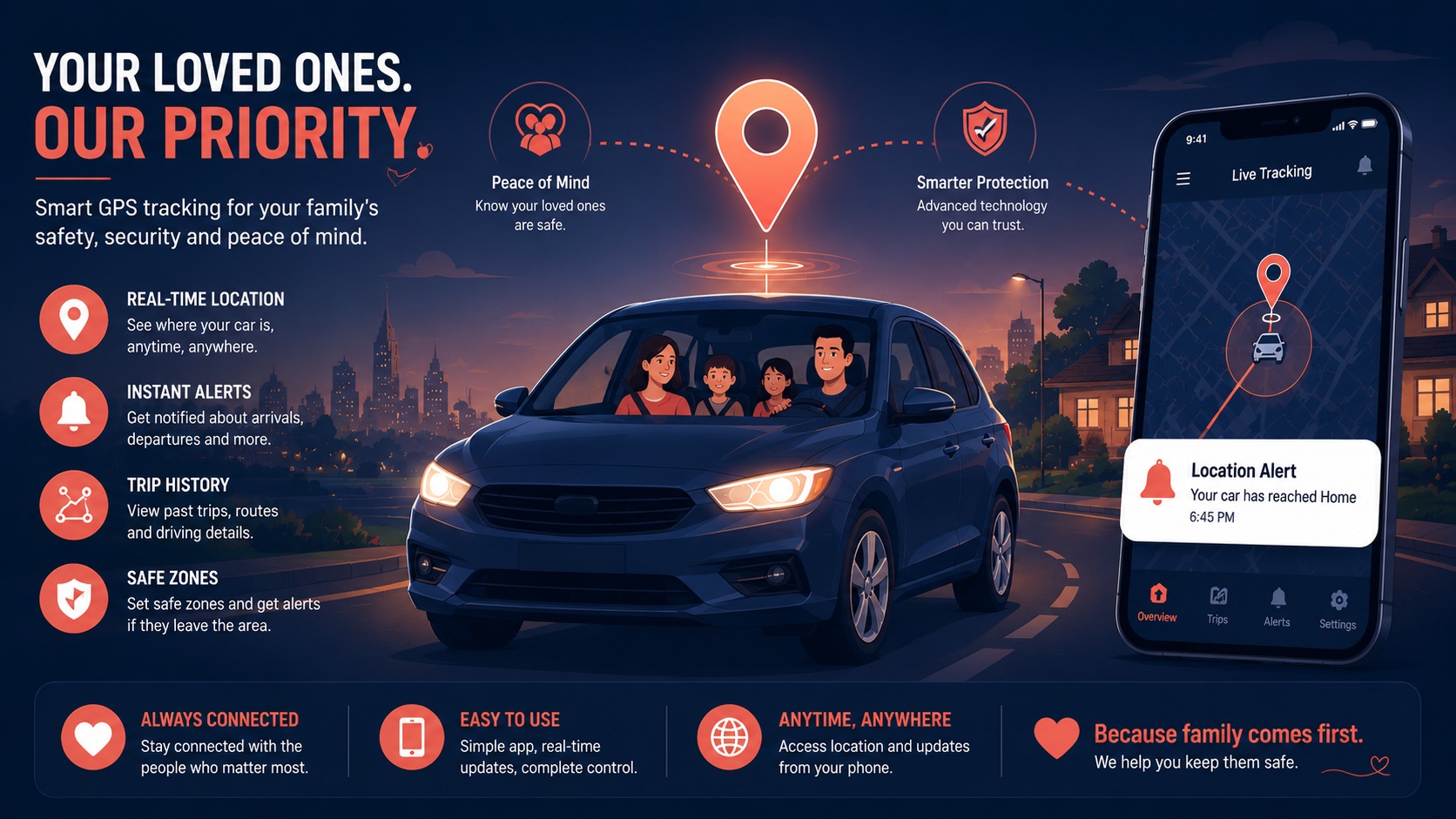
Family vehicle tracking sits in a different category from theft protection or fleet management — it's built on trust, care, and open conversation rather than security alone. Whether you're a parent handing car keys to a new teen driver, or an adult child worried about an elderly parent still driving independently, a GPS tracker can offer real peace of mind when it's introduced thoughtfully. This guide covers how to do that well.
👨👩👧 Common Family Tracking Scenarios
New Teen Drivers
Parents want visibility into speed, routes, and driving patterns during the early, higher-risk months behind the wheel.
Elderly Parents
Adult children want reassurance that an aging parent driving independently is safe, without taking away their autonomy.
🗣️ Start With the Conversation, Not the Device
The single most important step in family vehicle tracking isn't choosing a device — it's having an honest conversation first. Installing a tracker secretly, even with good intentions, tends to damage trust significantly if discovered later, and can feel like surveillance rather than care. Framing the tracker as a shared safety tool, rather than a monitoring device installed without discussion, changes how it's received entirely.
For teen drivers, this might mean explaining that tracking is a condition of using the family car for the first several months, similar to a graduated driving privilege, with the expectation of removing or loosening monitoring as trust and experience build. For elderly parents, the conversation works best framed around shared peace of mind — for example, agreeing that tracking helps everyone respond quickly if there's ever a medical emergency or accident, rather than implying a loss of independence.
🔑 Features That Matter Most for Family Use
📊 Teen Driver vs Elderly Parent: Different Priorities
| Feature | Priority for Teen Drivers | Priority for Elderly Parents |
|---|---|---|
| Speed Alerts | High — encourages safer driving habits | Lower priority generally |
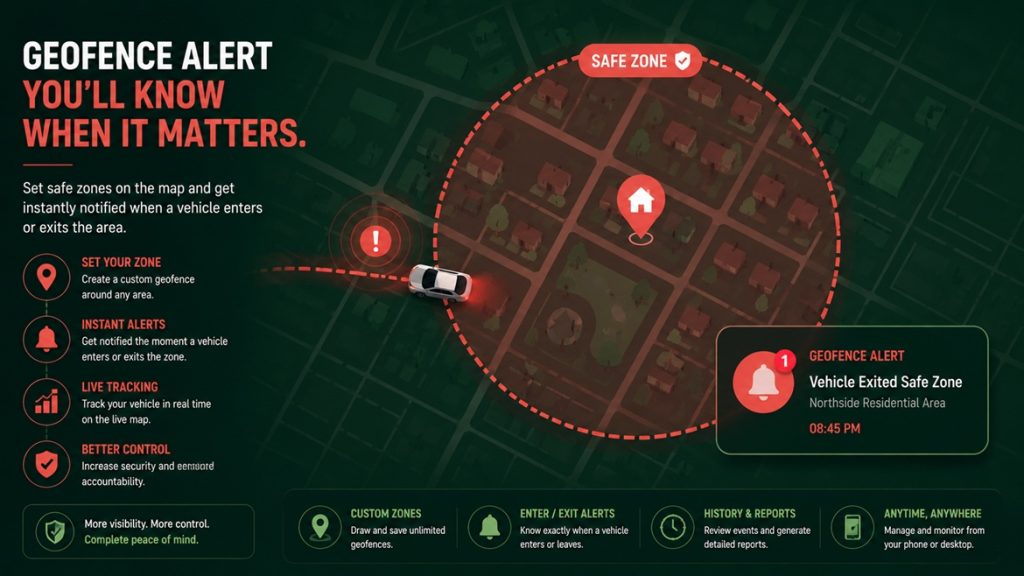
| Geofencing | High — confirms expected routes and curfews | Moderate — useful for familiar-route confirmation |
| Emergency SOS Button | Lower priority | High — critical for medical or breakdown situations |
| Driving Behavior Reports | High — supports coaching conversations | Moderate — can flag signs of declining driving ability |
🛠️ Setting Up Family Tracking Respectfully
⚖️ A Note on Consent Within Families
While tracking a vehicle you own is generally straightforward from a practical standpoint, tracking an adult family member — whether a young-adult child with their own car or an elderly parent — works far better, and is more respectful, when it's done with their knowledge and agreement rather than covertly. This isn't just an ethical consideration; secretly monitoring an adult family member without their awareness can also create real relationship strain if discovered later, undermining the very trust the tracking was meant to support.
❓ Frequently Asked Questions
Should I tell my teenager the car is being tracked?
Yes — transparency is what makes family tracking work as a trust-building tool rather than a source of resentment. Most parents find that framing tracking as a temporary condition tied to gaining driving experience, discussed openly upfront, leads to a far better outcome than a teen discovering monitoring they didn't know about.
How do I bring up tracking with an elderly parent without offending them?
Focusing the conversation on shared reassurance and emergency response, rather than concerns about their driving ability, tends to land much better. Involving them in the decision — even letting them choose the specific device or app — helps preserve their sense of independence while still achieving the safety goal.
Can family tracking apps replace a dedicated GPS tracker device?
Phone-based location sharing can work for basic reassurance, but a dedicated vehicle tracker offers more reliable, vehicle-specific data like speed and driving behavior that a phone alone typically can't capture as accurately, and it continues working even if a phone is left behind or its battery dies.
🚗 Choosing the Right Installation for Family Use
Unlike a hidden anti-theft tracker, family safety devices often benefit from being somewhat less concealed, since the goal here is a mutually understood safety arrangement rather than covert monitoring. A simple plug-and-play OBD tracker often works well for family use, since it's easy to install without a workshop visit and just as easy to explain and even show to the person being tracked, reinforcing the transparent, agreed-upon nature of the setup.
For teen drivers using a car that's shared with other family members, it's worth choosing a tracker and app that clearly shows who was driving during a given trip if that's relevant to your household, since parents sometimes want data tied to a specific driver rather than just the vehicle generally. For elderly parents, consider whether the device requires any technical setup on their end, since a system that's simple to use — or fully managed by a family member without ongoing input needed from the parent — tends to work better long-term than one requiring regular technical engagement from someone less comfortable with apps and technology.
It's also worth thinking about who receives the alerts and reports. In many families, one adult child or parent becomes the primary point of contact for tracking alerts, which works well as long as that person reliably checks and acts on them. For larger families managing an elderly parent's safety collaboratively, some tracking platforms support multiple linked accounts so several family members can stay informed without needing to constantly relay information to one another manually.
Is it legal to track an adult family member's car?
Tracking a vehicle you own — even if a family member primarily drives it — is generally straightforward from a practical standpoint. The consent question becomes more nuanced if the vehicle actually belongs to the family member being tracked rather than to you, in which case having their agreement matters both ethically and, depending on the situation, potentially legally. When in doubt, an open conversation resolves this far more reliably than assuming it's fine to proceed without one.
✅ Final Thoughts
Family vehicle tracking works best when it starts with a conversation, not a device — the goal is genuine peace of mind built on trust, not quiet surveillance. Whether you're supporting a teen through their first months of independent driving or checking in on an elderly parent's safety, choosing features that match the actual concern, discussing the arrangement openly, and revisiting it periodically turns a GPS tracker into a shared safety tool the whole family feels good about, rather than a point of tension.
👨👩👧👦 Set Up Family-Friendly Tracking
Explore GPS tracker models with speed alerts, geofencing, and emergency SOS features designed for everyday family peace of mind.