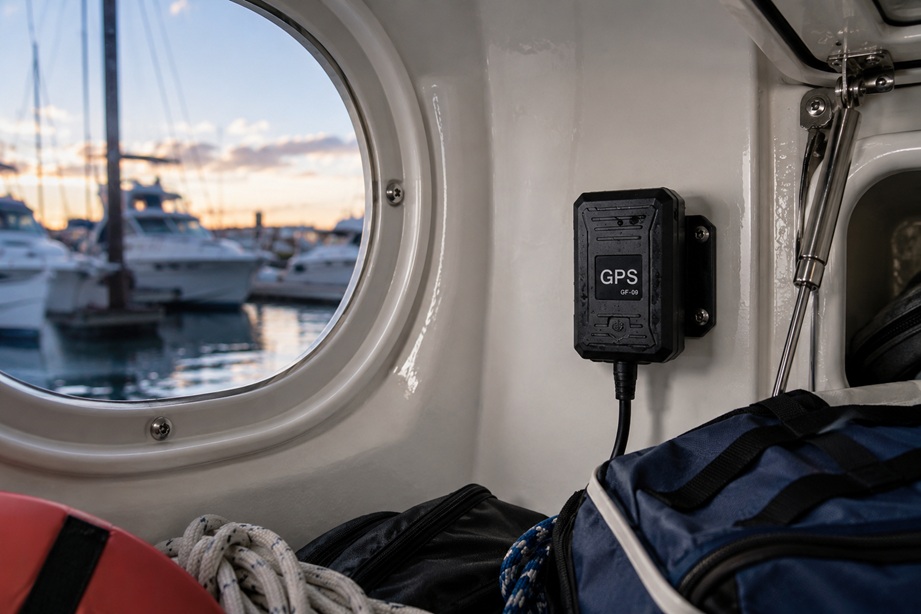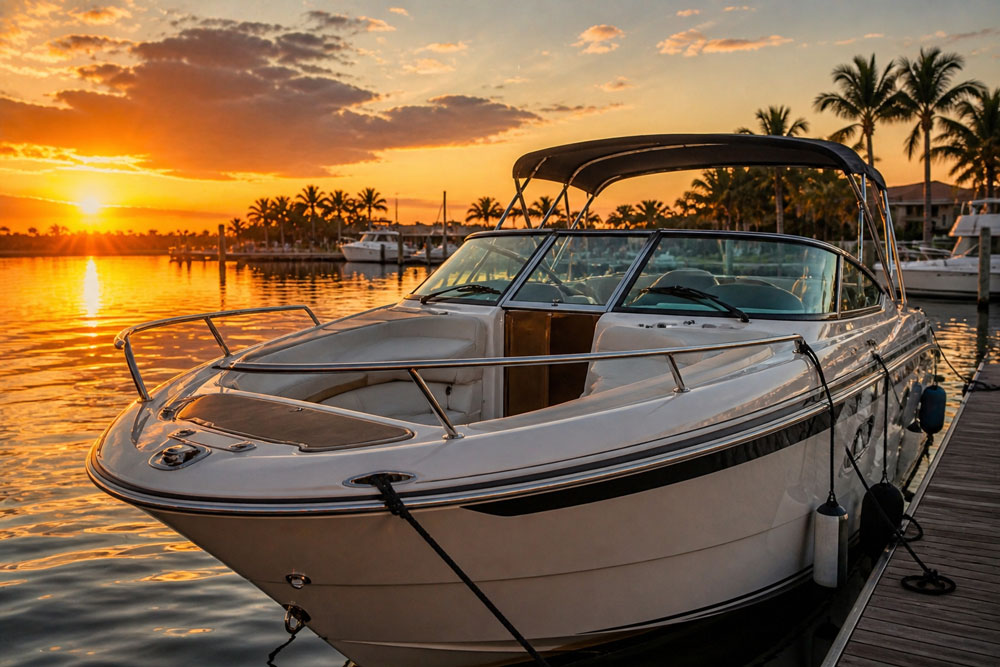


GPS Tracking for Yachts & Boats in Dubai, Doha & Qatar
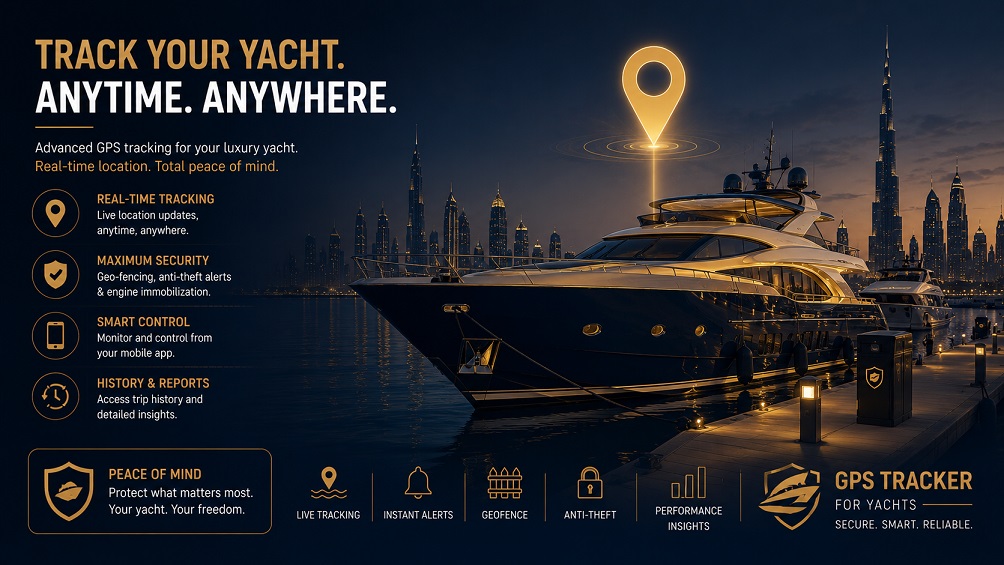
GPS Tracking for Yachts & Boats in Dubai, Doha & Qatar
From Dubai Marina to Doha's waterfront, boat ownership across the Gulf is booming — and marine GPS tracking works quite differently from tracking a car.
Yacht and boat ownership across Dubai, Doha, and Qatar has grown substantially, with marinas increasingly packed with everything from weekend leisure boats to serious motor yachts. Marine vessels face a genuinely different set of tracking challenges than road vehicles — saltwater exposure, extended time unattended at anchor or in a marina berth, and the total absence of cellular coverage once well offshore. Here's what marine GPS tracking actually needs to account for.
⚓ Why Marine Tracking Isn't Just "a Car Tracker on a Boat"
Saltwater Exposure
Marine environments are considerably harsher on electronics than even extreme automotive conditions.
Offshore Signal Loss
Cellular coverage typically ends well before international waters, unlike most road driving.
Extended Unattended Time
Vessels often sit unused for weeks between trips, unlike a daily-use vehicle.
🔑 What Marine-Grade Tracking Actually Needs
📊 Automotive Tracker vs Marine-Grade Tracker
| Factor | Standard Automotive Tracker | Marine-Grade Tracker |
|---|---|---|
| Waterproof Rating | Basic splash resistance typical | IP67+ genuine marine sealing |
| Offshore Coverage | Cellular only, fails offshore | Often includes satellite backup |
| Battery Duration | Days between charges typical | Weeks to months, sometimes solar-assisted |
| Anchor/Drift Alerts | Not applicable | Standard feature on marine-specific devices |
| Corrosion Resistance | Not specifically rated for saltwater | Built with marine-grade materials |
🛠️ Setting Up Marine Tracking Properly
🏖️ Marina Security and Theft Considerations
Vessels sitting in a marina berth for extended periods between uses face a theft risk pattern somewhat similar to a rarely-driven car parked in the same spot for weeks — an attractive, low-supervision target for anyone specifically scouting the marina. Real-time movement alerts matter just as much here as with a parked car, since unexpected movement from a berth during hours the owner knows they haven't authorized use is an immediate red flag worth investigating right away.
For owners who split time between the Gulf and other locations seasonally, remote monitoring becomes particularly valuable, since you may not be physically present to notice a problem developing the way you might with a daily-use vehicle you see and interact with regularly.
🌊 Insurance Considerations for Marine Vessels
Marine insurance across the Gulf increasingly factors in security measures similarly to how vehicle insurers consider GPS tracking, with some marine insurers offering premium benefits for vessels equipped with approved tracking and anti-theft systems. Given the significant value many yachts and boats represent, discussing tracking specifically with your marine insurer — including any approved device requirements — is worth doing before installation, similar to the approach recommended for high-value vehicle owners more generally.
❓ Frequently Asked Questions
Do I need satellite tracking if I only use my boat close to shore?
For vessels that stay within reliable cellular coverage — typically close to the coastline in most Gulf marina areas — standard cellular-based marine tracking is usually sufficient. Satellite connectivity becomes genuinely important mainly for vessels that regularly venture further offshore, beyond where cellular signal reliably reaches.
How often should I check my boat's tracker if it sits unused for weeks?
A quick weekly check is a reasonable habit for vessels sitting unattended for extended periods, similar in spirit to the periodic checks recommended for any tracker, though the specific frequency should reflect how long your particular vessel typically goes between uses and how much you're relying on the tracker as your primary security measure during that idle time.
Can the same GPS tracker work for both my boat and my car?
Generally not effectively — marine-grade waterproofing, corrosion resistance, and features like anchor drag alerts are specifically built for marine use and represent meaningfully different engineering than a standard automotive tracker, so a dedicated marine device is the more reliable choice for a boat rather than repurposing a car tracker.
🧭 Choosing Between Coastal and Offshore Tracking Setups
Not every vessel needs the full satellite-backed setup described above, and matching the tracking configuration to how the boat is actually used avoids overspending on capability that won't get genuinely utilized. A leisure boat that stays within Dubai Marina's surrounding coastal waters, rarely venturing beyond reliable cellular range, is generally well served by a strong marine-grade cellular tracker without the added cost and complexity of satellite connectivity.
Vessels that regularly undertake longer offshore trips, cross into international waters, or are used for extended cruising well beyond the coastline represent a different use case entirely, where satellite backup shifts from a nice-to-have into a genuinely important safety feature — not just for theft protection, but for the broader peace of mind of maintaining location visibility during any kind of emergency situation far from shore, where cellular coverage simply isn't an option regardless of tracker quality.
Discussing your typical usage pattern honestly with a marine tracking specialist, rather than either underspending on a coastal-only setup for a boat that actually goes further offshore, or overspending on satellite capability for a vessel that never leaves protected coastal waters, is the most practical way to land on the right configuration for your specific situation.
What's a reasonable budget range difference between a coastal and offshore-capable marine tracker?
Satellite-capable devices generally cost more upfront than cellular-only marine trackers, and often carry a higher ongoing subscription cost as well, given the added satellite connectivity involved. The exact difference varies by provider and specific device capability, making it worth comparing a couple of options directly against your actual usage pattern rather than assuming the most expensive satellite-equipped option is automatically the right choice for every vessel.
✅ Final Thoughts
Marine GPS tracking across Dubai, Doha, and Qatar's growing boating community needs to account for genuinely different conditions than road vehicle tracking — saltwater exposure, extended unattended periods, and offshore signal gaps all demand marine-specific features rather than a repurposed automotive device. For owners of significant vessels, investing in properly rated, marine-grade tracking with anchor alerts and appropriate connectivity for how far offshore you actually travel is a meaningful step toward protecting an asset that often represents a substantial investment.
⚓ Protect Your Vessel
Explore marine-grade GPS tracking options built for the Gulf's boating and yachting community.