

GPS Tracker for Cars in the UK: Complete Buying Guide

GPS Tracker for Cars in the UK: Complete Buying Guide
From London’s congestion zone to rural theft hotspots — what UK drivers should actually check before buying.
Choosing a GPS tracker for a car in the UK means navigating a market shaped by rising vehicle theft rates, a mature telematics insurance industry, and UK GDPR rules that govern how your location data can be collected and stored. This guide walks through exactly what matters before you buy.
🚗 Why UK Car Owners Are Turning to GPS Tracking
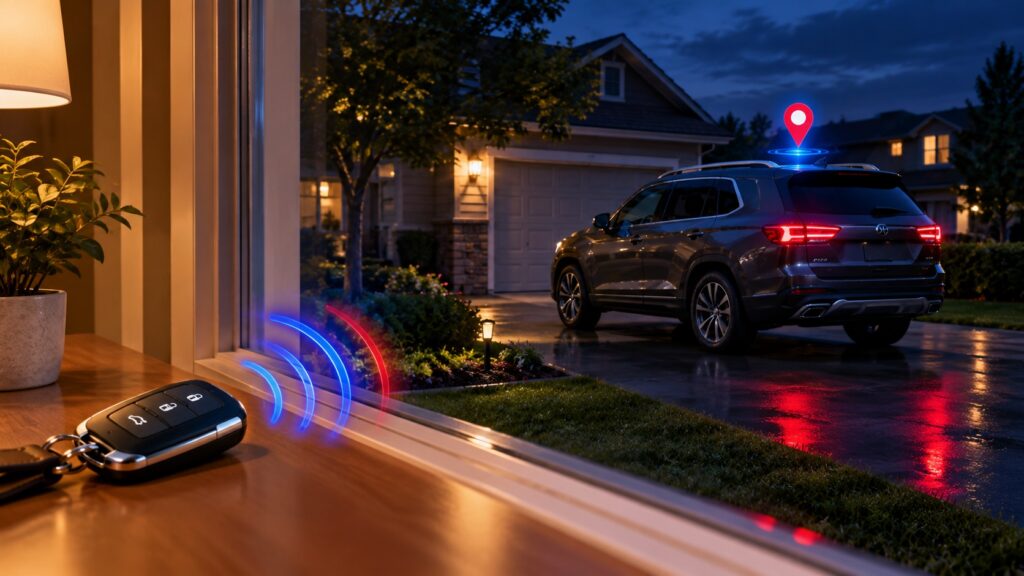
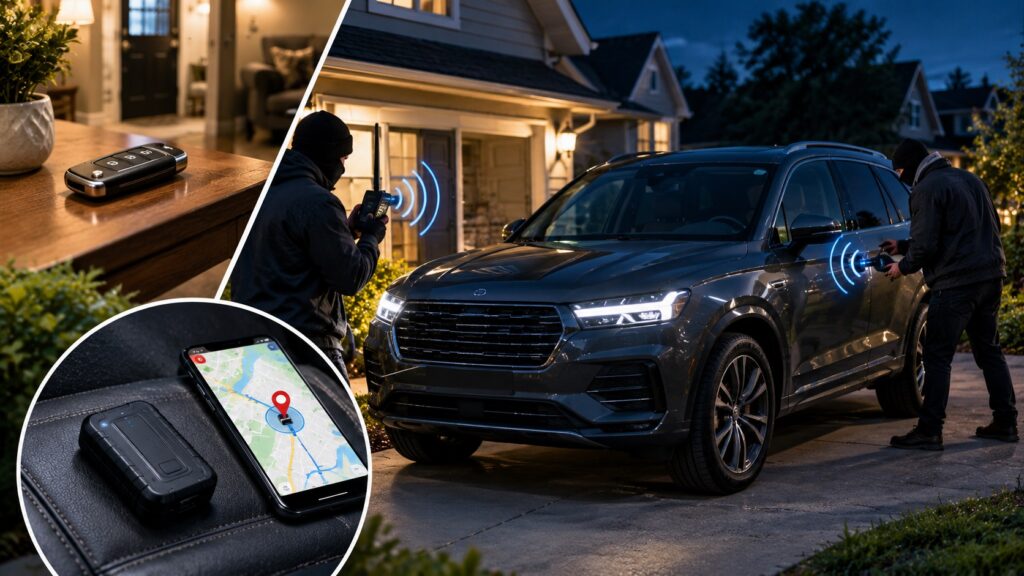
Rising theft rates — the UK has seen a sustained increase in keyless vehicle theft over recent years, particularly for models vulnerable to relay attacks, making independent tracking a meaningful backstop beyond factory security.
Insurance telematics overlap — many UK insurers already offer “black box” telematics policies, especially for younger or newer drivers, and it’s worth understanding how a standalone GPS tracker differs from and can complement one.
Urban low-emission zones — London’s ULEZ and similar schemes in other UK cities mean location data can also help with journey logging and compliance tracking for drivers who cross zone boundaries regularly.
UK GDPR protections — post-Brexit, the UK maintains its own UK GDPR framework, giving drivers clear rights over how a tracker provider stores and uses their location history.
🔑 What to Check Before Buying in the UK
| Factor | What to Confirm |
|---|---|
| UK GDPR Compliance | Clear privacy policy, UK-based or UK-GDPR-compliant data storage, defined retention period |
| Network Coverage | Reliable connectivity across urban and rural areas, including motorway and remote regions |
| Insurance Interaction | Check whether a standalone tracker affects or duplicates any existing telematics black box policy |
| Installation Support | Local installer availability, particularly for wired anti-theft installations |
🛠️ Setting Up Tracking for UK Driving Conditions
Choose a provider with clear UK GDPR documentation, checking their privacy policy for data retention and third-party sharing terms before committing.
Set a geofence around your home and workplace, which is particularly useful in areas with known relay-attack theft patterns.
Ask your insurer how a tracker interacts with any existing telematics device before assuming it will produce a discount on its own.
Check motorway and rural signal reliability if you regularly drive outside major cities, since coverage can vary between providers.
⚖️ UK GDPR and Vehicle Tracking
UK GDPR, alongside the Data Protection Act 2018, governs how any provider operating in the UK must handle your location data. You generally have the right to know what’s collected, request a copy of it, and ask for it to be deleted, along with an obligation on the provider to only retain data as long as genuinely necessary. This matters more, not less, for business fleet tracking, where tracking employee vehicles involves processing personal data about identifiable staff. UK employment guidance generally expects clear written disclosure and a legitimate business purpose behind any such monitoring, not silent tracking.
🏙️ City and Region-Specific Considerations
London’s dense parking and relay-attack theft patterns make tight geofencing and instant alerts particularly valuable, while more rural regions of Scotland, Wales, and Northern England may see theft risk spread more thinly but signal coverage become the bigger practical concern. Reviewing your own typical parking and driving pattern over a few weeks before finalizing geofence settings helps calibrate boundaries that actually match your situation.
❓ Frequently Asked Questions
Do I need a GPS tracker if I already have a telematics black box?
Not necessarily — a black box is primarily an insurance-pricing tool, while a standalone GPS tracker is built around real-time recovery and alerts. Some drivers use both for different reasons; check with your insurer whether a second device causes any conflict.
Will a GPS tracker stop keyless relay theft?
A tracker doesn’t prevent the theft itself, but it significantly improves recovery odds afterward by giving police a live location, which is exactly the gap most keyless theft victims report.
Is UK GPS tracker data covered the same as EU GDPR?
UK GDPR is closely modelled on EU GDPR but is now a separate legal framework since Brexit — confirm your specific provider’s UK data handling directly if this matters to you.
🛒 Practical Buying Considerations
A wired tracker offers continuous power and stronger anti-theft features like engine immobilisation support, suiting a primary vehicle you own long-term. A plug-and-play unit suits leased vehicles or drivers who want to avoid a workshop visit. It’s worth comparing total first-year cost — device price, installation if applicable, and twelve months of subscription — rather than focusing on device price alone, since subscription costs often represent the larger long-term expense.
🔗 Related Reading
Comparing devices before you buy? Our GPS Tracker Buying Checklist walks through the ten questions worth asking any provider. If data handling is a priority, see our guide on GPS Tracker Data Privacy & Security. And if you’re weighing a dedicated tracker against a phone-based option, our GPS Tracker vs Apple AirTag comparison covers the trade-offs. For the official UK data protection rules referenced above, see the Information Commissioner’s Office (ICO).
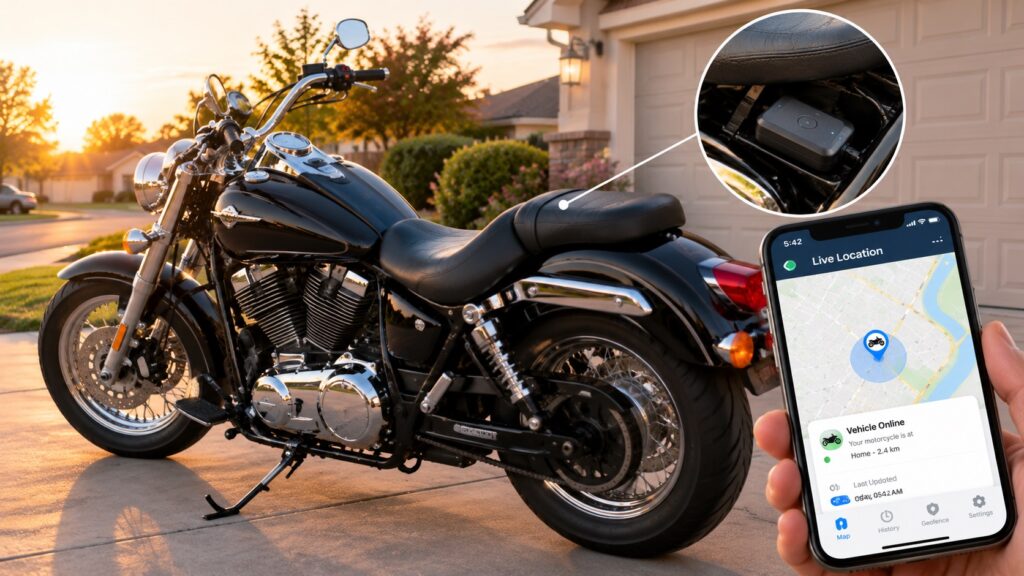
For motorcycle-specific advice, see our GPS Tracker for Motorbikes in the UK: Theft Hotspots and What Helps.
✅ Final Thoughts
A GPS tracker for a car in the UK should be chosen with the country’s specific conditions in mind — rising keyless theft, an established telematics insurance market, and UK GDPR’s clear data protection standards. Prioritizing a compliant, transparent provider alongside real-time tracking and geofencing gives UK drivers protection that fits both the practical theft risk and the regulatory landscape they’re operating in.
🔒 Find the Right Tracker for Your Car
Explore GPS tracker models with UK GDPR-compliant data handling and reliable nationwide connectivity.