

GPS Tracker for Cars in Canada: Cold-Weather Buying Guide
Canada Buying Guide
GPS Tracker for Cars in Canada: Cold-Weather Buying Guide
From Toronto driveways to remote prairie highways — what Canadian drivers should actually check before buying.
Choosing a GPS tracker for a car in Canada means accounting for genuinely extreme winter conditions, long stretches of low-density rural coverage, and a privacy law framework under PIPEDA that shapes how your location data can be handled. This guide walks through exactly what matters before you buy.
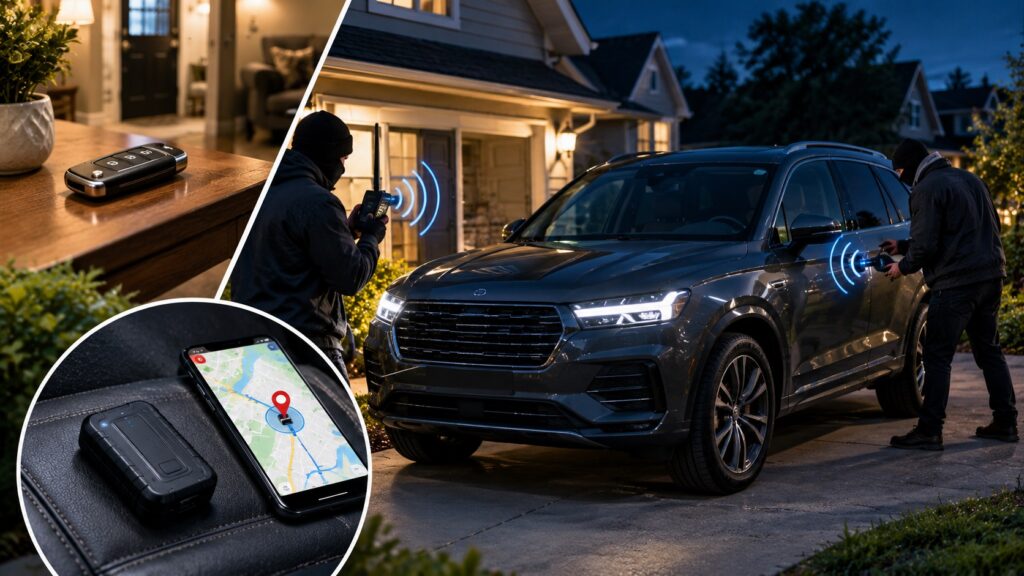
🍁 Why Canadian Car Owners Are Turning to GPS Tracking
Extreme cold affects battery life — lithium batteries in portable trackers lose capacity significantly in sub-zero temperatures, making cold-rated hardware a real practical concern rather than a marketing detail.
Long-distance and remote driving — Canada’s geography means many drivers regularly cover long rural or highway stretches with patchy cellular coverage, making network reliability a genuine buying factor.
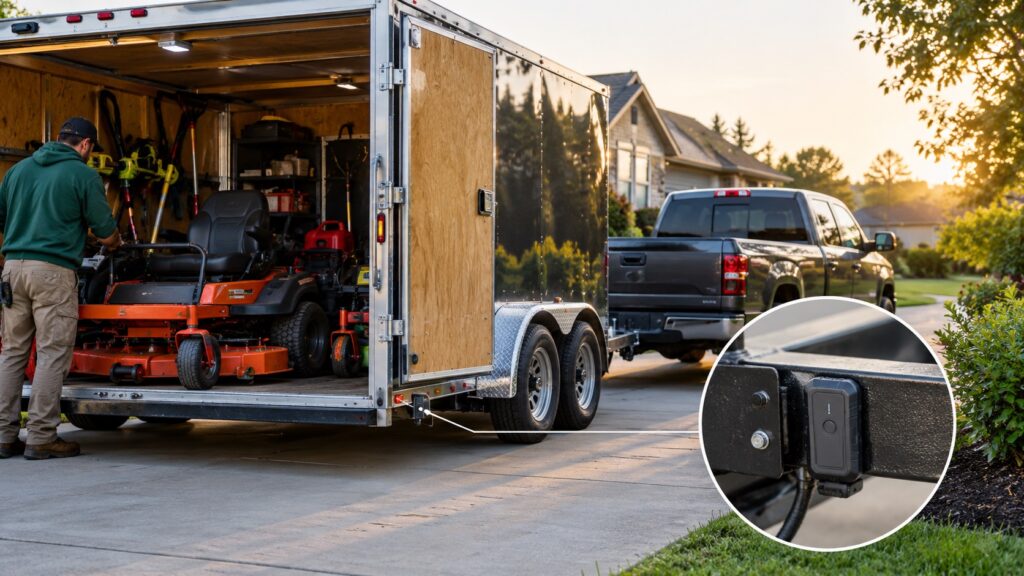
Winter storage season — many Canadians store a second vehicle, RV, or motorcycle over winter, where continuous tracking during long dormant periods depends heavily on battery design.
PIPEDA privacy protections — Canada’s federal privacy law, PIPEDA, gives consumers meaningful rights over how their location data is collected, used, and stored by a tracker provider.
🔑 What to Check Before Buying in Canada
| Factor | What to Confirm |
|---|---|
| Cold-Weather Rating | Manufacturer-stated operating temperature range, ideally rated well below -20°C for winter reliability |
| Network Coverage | Reliable connectivity in rural and remote regions, not just major metro areas |
| PIPEDA Compliance | Clear privacy policy, defined data retention period, Canadian or PIPEDA-compliant data handling |
| Battery Design | Backup battery capacity for long winter storage periods without vehicle power |
🛠️ Setting Up Tracking for Canadian Conditions
Choose hardware explicitly rated for extreme cold, since many consumer-grade trackers are only tested down to conditions far milder than a typical Canadian winter.
Confirm rural network coverage before you rely on it, particularly if you regularly drive between provinces or through less populated regions.
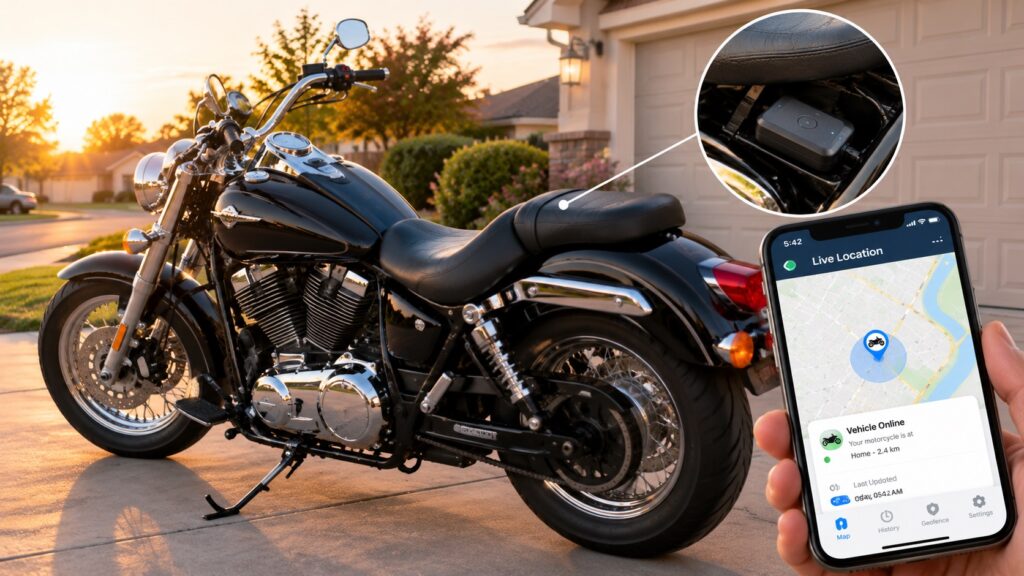
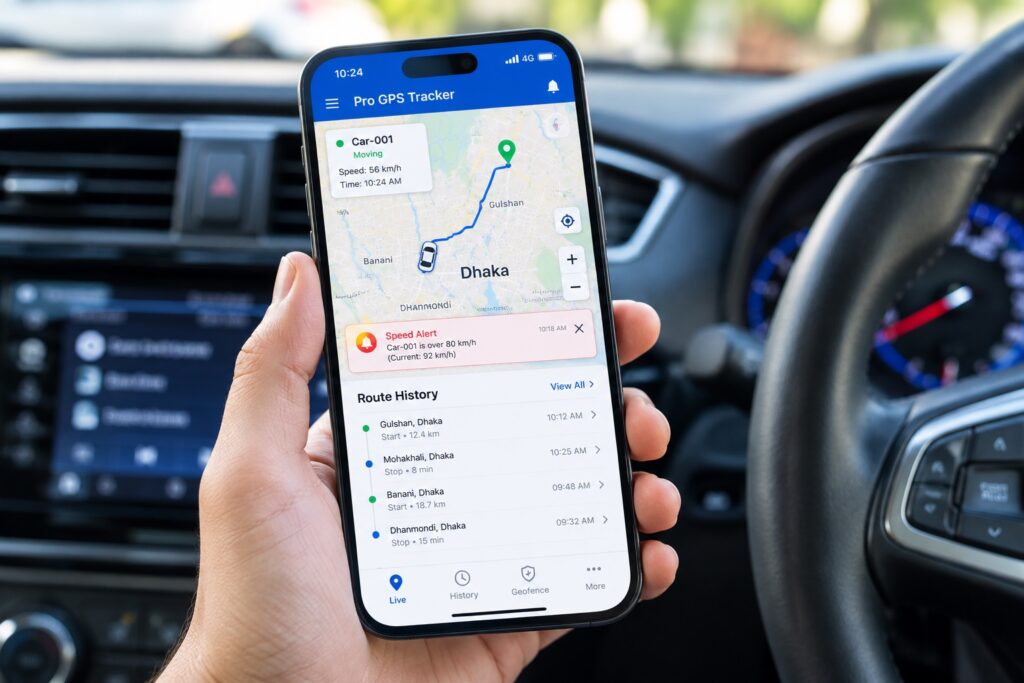
Set a geofence around your storage location for seasonal vehicles, so a snowmobile, motorcycle, or RV in winter storage triggers an alert if moved unexpectedly.
Check the provider’s PIPEDA compliance documentation directly, since this is your main practical safeguard around how your driving history is stored.
⚖️ PIPEDA and Vehicle Tracking
PIPEDA, Canada’s federal Personal Information Protection and Electronic Documents Act, governs how a tracker provider operating in Canada must handle your location data. You generally have the right to know what’s being collected, request access to it, and expect it to be used only for purposes you’ve reasonably agreed to. Some provinces, including Quebec, British Columbia, and Alberta, also have their own private-sector privacy legislation that can apply alongside PIPEDA, so it’s worth checking your provider’s documentation reflects your specific province if this matters to you. For company fleet tracking, disclosure to employees and a legitimate business purpose are generally expected under Canadian employment and privacy guidance.
🌨️ Regional and Seasonal Considerations
Provinces vary significantly — a downtown Toronto or Vancouver parking scenario looks very different from a rural Saskatchewan farm vehicle or a Northern Ontario cottage-season car. Urban drivers generally benefit most from tight geofencing and instant theft alerts, while rural and remote drivers should prioritize confirmed network coverage and cold-rated hardware above most other features. Winter storage season, roughly November through March in much of the country, is when battery design differences between trackers become most apparent.
❓ Frequently Asked Questions
Do GPS trackers actually stop working in extreme cold?
Cheaper consumer trackers can lose significant battery capacity or intermittently drop connection below roughly -20°C, which is why checking the manufacturer’s stated operating range matters more in Canada than in milder climates.
Will a tracker work reliably outside major cities?
This depends entirely on the underlying cellular network and provider — confirm rural and highway coverage directly rather than assuming nationwide coverage automatically means reliable coverage everywhere.
Does PIPEDA apply the same way in every province?
PIPEDA is the federal baseline, but Quebec, BC, and Alberta have their own private-sector privacy laws that can apply in addition — check your provider’s compliance documentation covers your specific province.
🛒 Practical Buying Considerations
A wired tracker draws power directly from the vehicle, which helps offset cold-weather battery drain and suits a primary daily-use vehicle. A portable, battery-only unit suits seasonal vehicles like snowmobiles or ATVs, but cold-rated battery performance becomes the deciding factor for reliability through a full Canadian winter. Comparing total first-year cost — device price, installation if applicable, and twelve months of subscription — gives a clearer picture than focusing on sticker price alone.
🔗 Related Reading
If battery reliability is a concern beyond cold weather, our GPS Tracker Maintenance guide covers habits that keep any device working reliably year-round. Worried about network reliability as carriers upgrade infrastructure? See 2G Network Shutdown: Is Your GPS Tracker at Risk?. And before comparing providers, our GPS Tracker Buying Checklist covers the ten questions worth asking. For details on Canada’s federal privacy law referenced above, see the Office of the Privacy Commissioner of Canada.
If you’re touring in a caravan or motorhome, see GPS Tracker for Caravans and Motorhomes in the UK.
✅ Final Thoughts
A GPS tracker for a car in Canada should be chosen with the country’s specific conditions in mind — genuine cold-weather performance, reliable coverage across long rural distances, and PIPEDA’s data protection standards. Prioritizing cold-rated hardware and a transparent, compliant provider alongside real-time tracking gives Canadian drivers protection that actually holds up through a full winter.
🔒 Find the Right Tracker for Your Car
Explore GPS tracker models built for extreme cold and reliable coast-to-coast connectivity.