


GPS Tracker Data Privacy & Security: How Your Location Data Is Protected
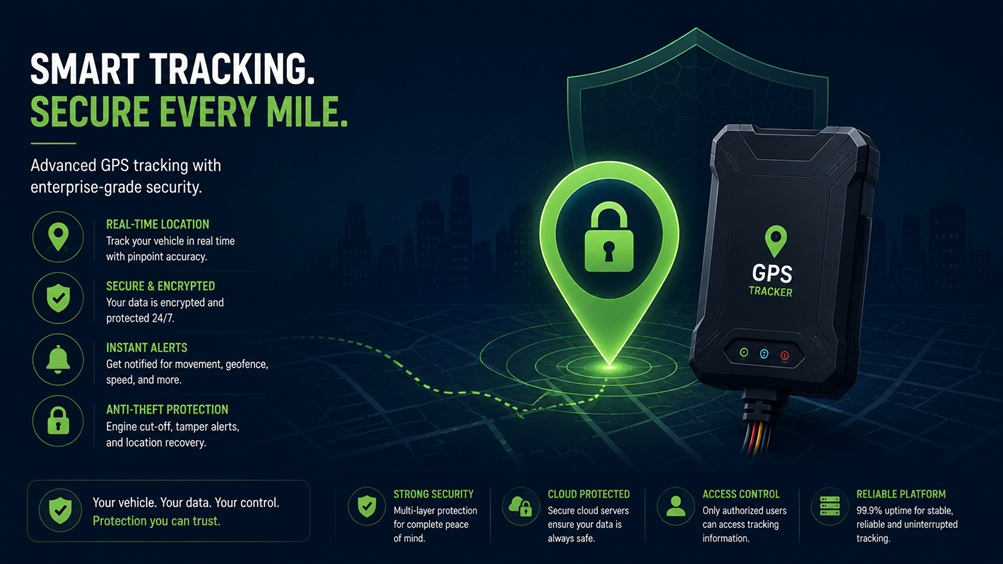
GPS Tracker Data Privacy: How Your Location Data Is Protected
Your GPS tracker knows where you've been, when, and how often. Here's how that data should be protected — and what to check before trusting a provider with it.
A GPS tracker generates one of the more sensitive types of personal data there is: a detailed record of exactly where a vehicle or person has been, and when. Most buyers focus entirely on tracking accuracy and features, without ever asking how that location data is actually stored, protected, or who else might have access to it. This guide covers what genuinely matters for data privacy and security when choosing and using a GPS tracker.
🔍 Why Location Data Is Particularly Sensitive
Unlike many other types of personal data, a detailed location history can reveal an unusually complete picture of someone's life — where they live, where they work, their daily routine, places of worship, medical facilities they visit, and who they regularly spend time with based on shared locations. This is precisely why location data deserves the same level of care as financial or health information, even though it's sometimes treated more casually by both users and providers.
Home & Routine Exposure
Consistent location patterns can reveal home address, workplace, and daily schedule to anyone with data access.
Unauthorized Access Risk
Weak account security or poor provider practices can expose tracking data to people who shouldn't have it.
Data Retention Concerns
Indefinitely stored historical data increases exposure risk if a breach or unauthorized access ever occurs.
Third-Party Sharing
Some providers may share or sell aggregated location data — worth understanding before signing up.
🔒 What to Look For in a Provider's Security Practices
📋 Questions Worth Asking Before Choosing a Provider
| Question | Why It Matters |
|---|---|
| Is location data encrypted in transit and storage? | Protects data from interception and unauthorized system access |
| How long is historical data retained? | Longer retention increases exposure risk if a breach occurs |
| Can I delete my historical data on request? | Gives you control over your own data rather than indefinite storage |
| Is data shared with or sold to third parties? | Determines whether your patterns are used beyond your own tracking needs |
| Does the account support two-factor authentication? | Adds a meaningful layer of protection against unauthorized account access |
🛡️ Practical Steps to Protect Your Own Tracking Data
🏢 Data Privacy for Fleet and Business Tracking
For businesses managing employee or driver tracking data, privacy considerations extend beyond just securing the account — they also involve responsible internal data handling. Restricting dashboard access to managers who genuinely need visibility, rather than making location data available company-wide, reduces unnecessary exposure of what is ultimately sensitive information about where individual employees have been throughout their workday.
Setting a reasonable internal data retention policy also matters for businesses specifically, since fleet tracking can accumulate a large volume of historical location data over time. Keeping only what's genuinely needed for legitimate business purposes — route optimization records, incident investigation windows, or specific compliance requirements — rather than retaining years of granular data indefinitely, reduces both storage costs and the potential impact of any future data exposure.
❓ Frequently Asked Questions
Can someone else see my GPS tracker's location data without my knowledge?
This depends entirely on account security and who has legitimate access credentials. If your account password is weak, reused elsewhere, or shared with multiple people, the risk of unauthorized viewing increases significantly — which is exactly why strong, unique passwords and two-factor authentication matter so much for tracking accounts specifically.
Do GPS tracker companies sell my location data to advertisers?
Practices vary significantly between providers, and this is precisely why reviewing a specific provider's privacy policy before signing up matters — reputable tracking companies typically state clearly whether and how data might be shared or used beyond your own account, while vague or absent policies are a reasonable point of caution.
Is it safe to use a free GPS tracking app instead of a paid subscription?
Free services sometimes fund their operations through data monetization rather than subscription fees, which is worth specifically considering when comparing a free option against a paid one — a transparent paid subscription with a clear privacy policy is often a more predictable arrangement than a free service whose business model around your data isn't immediately obvious.
🌍 Data Privacy Regulations Across the Region
Data protection frameworks have been developing steadily across the Gulf and South Asia, with countries increasingly establishing formal requirements around how personal data, including location information, should be collected, stored, and handled by businesses. While the specific regulatory details vary by country and continue to evolve, the general direction across the region has moved toward greater accountability for organizations handling personal data, including GPS tracking providers.
For consumers, this broader regulatory trend is generally a positive development, since it creates external pressure on tracking providers to maintain reasonable security and transparency practices rather than relying solely on their own discretion. For businesses collecting employee or customer location data through fleet or rental tracking systems, staying reasonably informed about applicable data protection requirements in the specific country of operation is worth factoring into how tracking programs are designed and documented, alongside the operational and security benefits already covered earlier in this guide.
What should I do if I suspect my tracking account has been accessed without permission?
Change your password immediately, enable two-factor authentication if you haven't already, and review your account's active sessions or login history if the platform provides this feature, logging out of any unfamiliar sessions. Contacting your provider's support team to report the concern is also worthwhile, both to get their guidance and to flag the issue for their own security monitoring.
✅ Final Thoughts
GPS tracking data reveals genuinely sensitive information about daily patterns and routines, which makes provider security practices and your own account hygiene worth real attention rather than an afterthought. Choosing a provider with clear encryption, reasonable data retention, and a transparent privacy policy — combined with basic practices like strong passwords and limited data sharing on your end — goes a long way toward keeping the convenience of GPS tracking from coming with unnecessary privacy risk.
🔒 Choose Trackers Built With Privacy in Mind
Explore GPS tracker models and platforms with clear data protection practices and transparent privacy policies.