

GPS Trackers for Moving Companies and Box Trucks in the USA: Protect Cargo, Prove Delivery and Cut Costs
2026 USA Moving Business Guide
GPS Trackers for Moving Companies and Box Trucks in the USA: Protect Cargo, Prove Delivery and Cut Costs
A moving truck carries a family’s whole life. Here is how tracking keeps it safe, on schedule and documented.
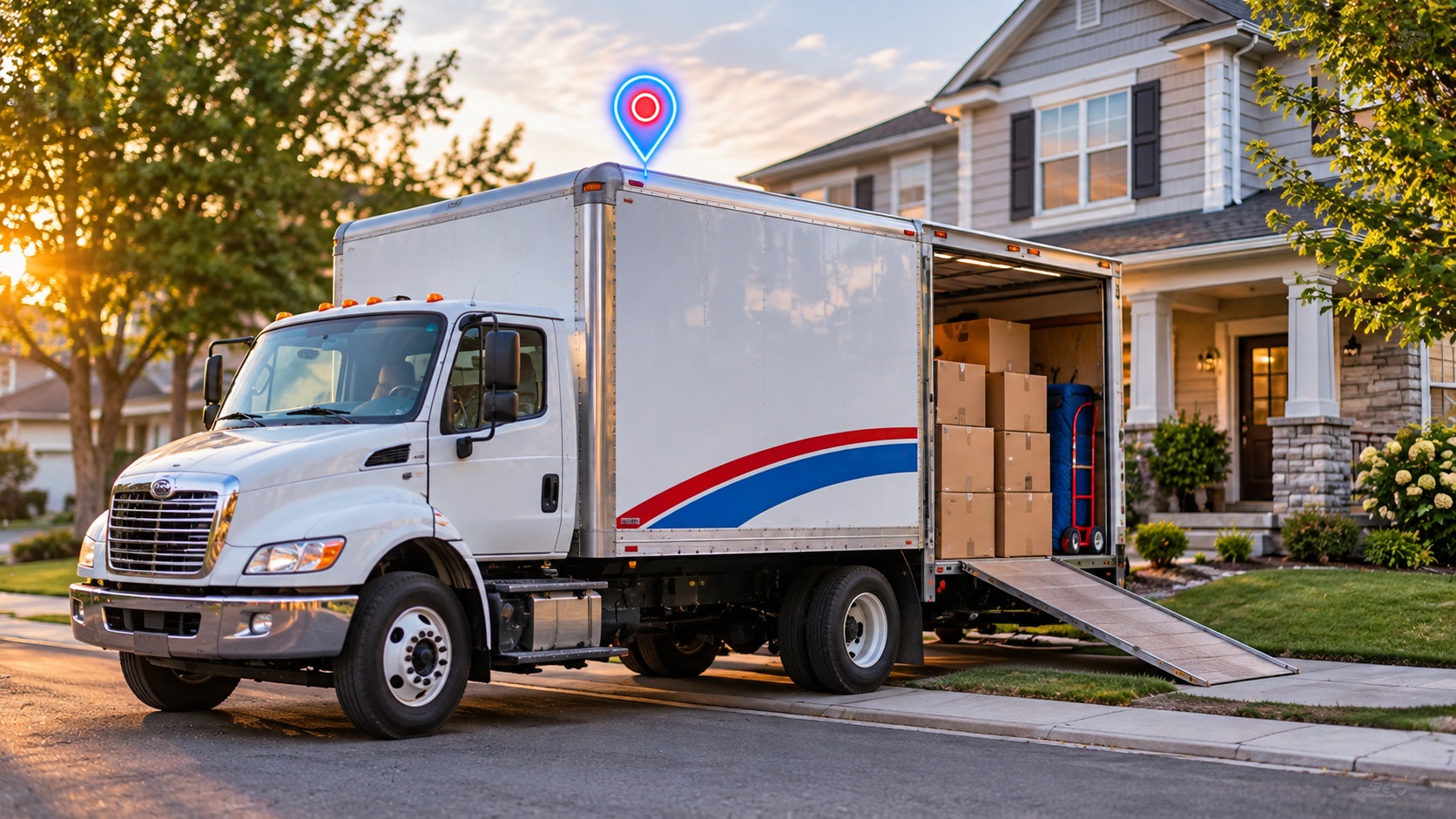
Moving companies depend on trust, timing and a truck full of other people’s belongings. A GPS tracker for moving companies shows where every truck is, gives customers accurate arrival times and records each stop, which helps with delays, disputes and theft.
🚚 Why Movers Use Tracking
Customer communication — accurate ETAs reduce anxious phone calls on moving day. Proof of pickup and delivery — timestamped stops help settle disputes about when a job started or finished. Cargo and truck security — a loaded truck parked overnight is a valuable target. Driver accountability — you can see detours, long idling and unapproved stops. Fuel and routing savings — better routes and less idling cut one of your biggest costs.
📍 Features to Look For
| Feature | Why It Matters for Movers |
|---|---|
| Live map and ETA sharing | Lets dispatch update customers with real arrival times |
| Stop and arrival history | Documents pickup, loading and delivery times |
| Overnight geofence and motion alerts | Warns you if a loaded truck moves from its lot |
| Hardwired power | Stays online through long, irregular shifts |
| Idle and speed reports | Controls fuel waste and unsafe driving |
🛠️ Setting It Up Step by Step
First, choose a hardwired tracker made for commercial trucks. Next, install it out of sight where loading and unloading will not knock it loose. Then, create geofences around your yard, storage lots and regular pickup areas. After that, set alerts for after-hours movement, long idling and speeding. Finally, connect the data to dispatch so your team can update customers and review jobs after they finish.
🧳 Protecting Cargo Inside the Truck
A truck tracker follows the vehicle, not individual boxes. For high-value items, record inventory carefully, use locks and consider a small battery tracker packed with a valuable crate. Combine these steps with insurance coverage that matches what you carry.
⚖️ Driver Trust and Rules
Tell your crews that trucks are tracked and explain why. Keep tracking limited to work vehicles and hours, and write your policy down. Regulations may also apply to some commercial vehicles, so check the current federal and state rules that cover your operation.
❓ Frequently Asked Questions
Can a tracker replace an electronic logging device?
Not necessarily. Some operations must use a registered electronic logging device, and a basic tracker may not meet that requirement. See our comparison of trackers and ELDs.
Will it help with customer disputes?
Yes, timestamped location and stop records can show when the truck arrived and how long it stayed.
Is it worth it for a small moving company?
Often yes. Fewer lost hours, fewer disputes and better fuel use can pay back the monthly cost quickly.
🔗 Related Reading
Understand the difference in GPS Tracker vs ELD and see GPS Tracker for Small Business Fleets. Compare related industries in GPS Trackers for Tow Trucks and GPS Trackers for Service Vans. Review GPS Tracker for Company Cars: Employee Rights, plan costs in GPS Tracker Subscription Plans Explained, and use the GPS Tracker Buying Checklist. For federal rules on commercial vehicles, visit the Federal Motor Carrier Safety Administration.
✅ Final Thoughts
A GPS tracker for moving companies gives you live truck locations, proof of every job and tighter control of fuel and security. Choose a hardwired commercial unit, set yard geofences and explain the policy to your crews.
🚚 Keep Every Move on Track
Explore commercial GPS trackers with live maps and job logs for US moving companies.