

GPS Tracker for Stored Vehicles in the USA: Protecting a Car You Cannot Check on Every Day
2026 USA Long-Term Parking Guide
GPS Tracker for Stored Vehicles in the USA: Protecting a Car You Cannot Check on Every Day
Deployment, winter travel or a long work assignment can leave a car parked for months. Here is how tracking keeps an eye on it.
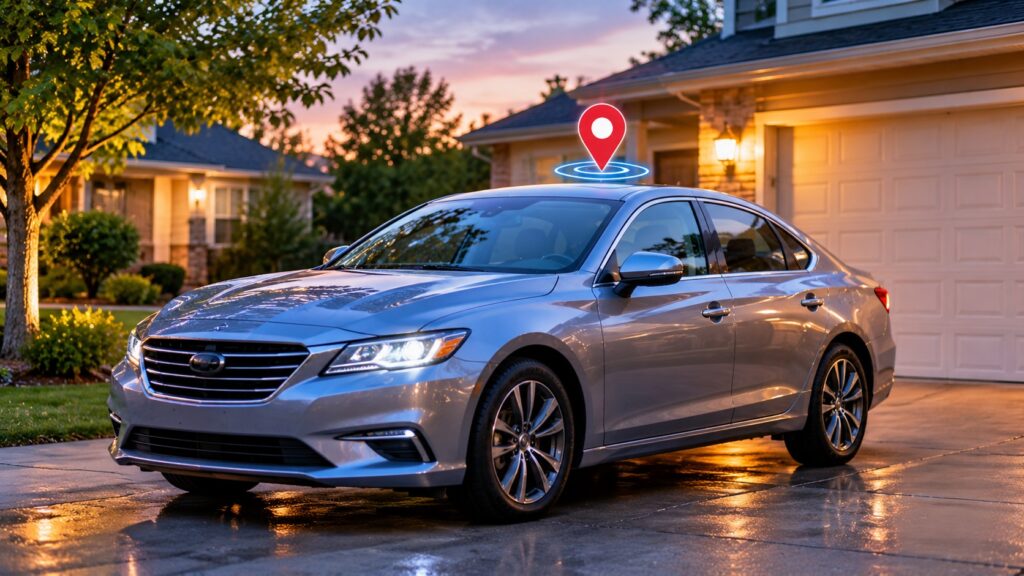
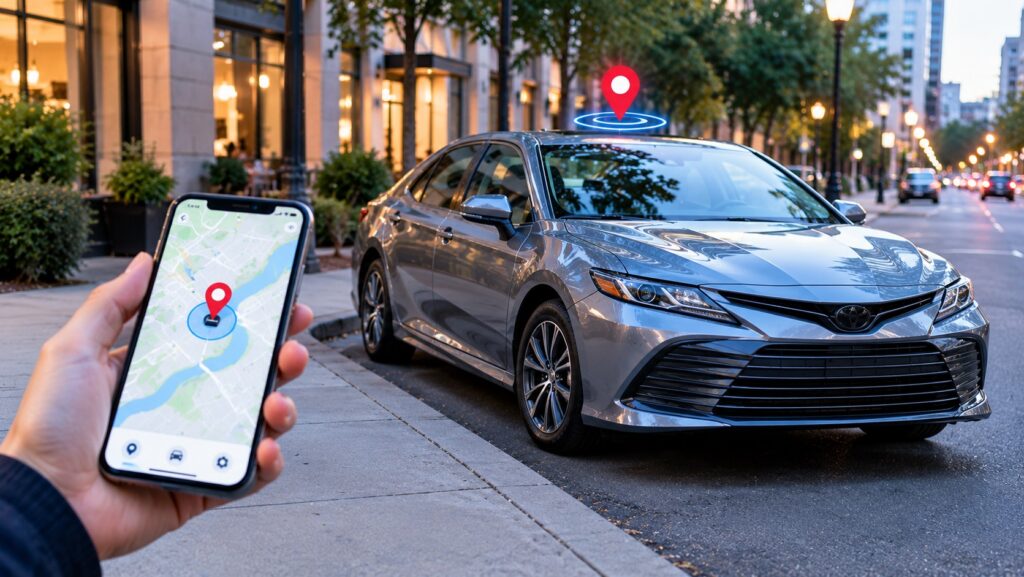
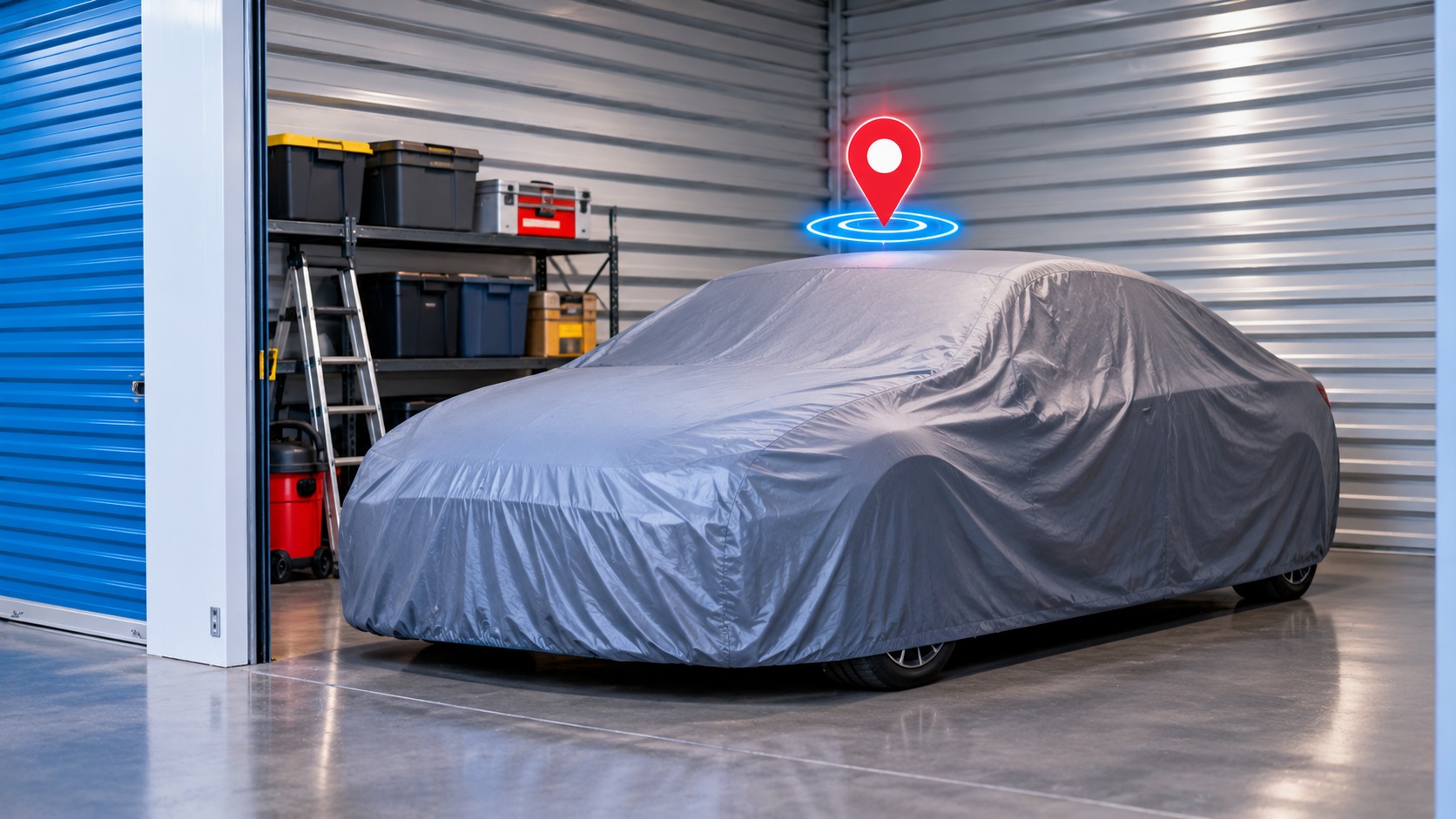
Some cars sit untouched for long stretches: service members on deployment, snowbirds spending winter elsewhere, people traveling for work, or owners storing a classic or second car. A GPS tracker for stored vehicles sends an alert if the car moves, so you find out about a problem in minutes rather than weeks.
🅿️ Why Stored Cars Are at Risk
Nobody notices a missing car — a theft can go unreported for weeks if you are away. Storage lots and driveways vary in security — fences, cameras and staff differ widely. Long idle periods drain batteries — a dead battery can disable alarms and hardwired devices. Tampering and damage — break-ins and vandalism may also go undiscovered until you return.
📍 Features to Look For
| Feature | Why It Matters for Long-Term Storage |
|---|---|
| Long standby battery | Keeps working for weeks or months without touching the car’s battery |
| Motion and tow alerts | Warns you the moment the car is moved, lifted or towed |
| Geofence | Flags any departure from the storage spot |
| Low battery notifications | Tells you when the tracker needs attention before it fails |
| Phone alerts that reach you abroad | Makes sure notifications arrive wherever you are |
🛠️ Setting It Up Step by Step
First, choose a battery-powered tracker with a long standby rating, since a car’s own battery may be disconnected or weak while stored. Next, charge it fully and test it before you leave. Then, hide it well behind a panel or inside the cabin where it is hard to find. After that, set a tight geofence around the storage spot and turn on motion alerts. Finally, name a trusted contact who can respond if you are out of reach, and share the alert plan with them.
🔋 Managing Power While You Are Away
Check the tracker’s rated standby time and plan for it, because cold weather shortens battery life. If the stay will outlast the battery, arrange for someone to check the unit, or choose a model that can run from the car’s power with a low-drain sleep mode. Do not rely on a single, unmonitored device for many months.
⚠️ If the Car Moves
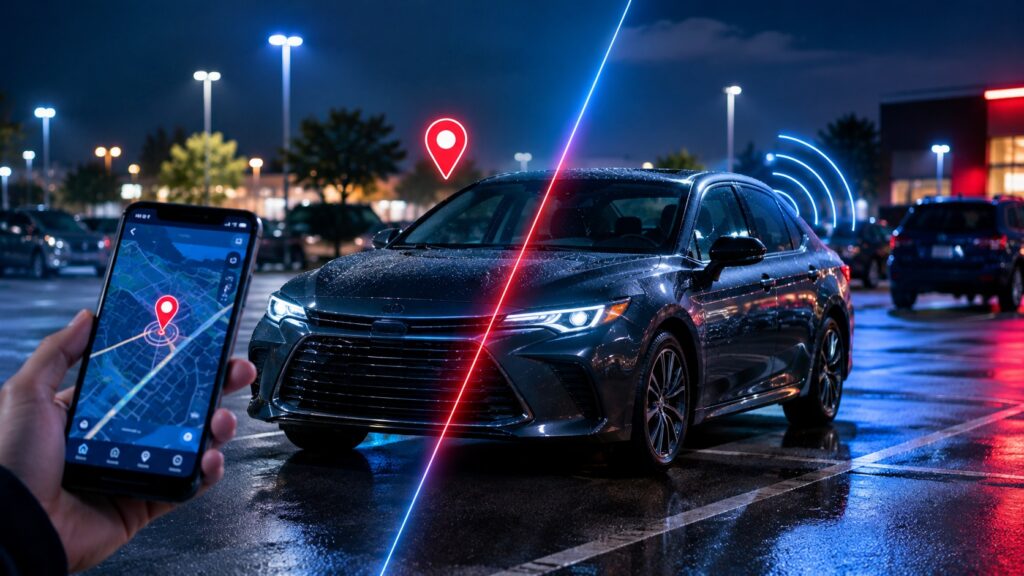
If you receive an alert, check the location, then call the police and the storage facility. Share the live location rather than trying to retrieve the car yourself. Notify your insurer and keep records of the alert times.
❓ Frequently Asked Questions
Will the tracker work if the car battery dies?
A battery-powered tracker keeps working independently, which is why it is the better choice for long-term storage.
How often should the tracker be checked?
Check battery level at the start of storage and review the app periodically. Many apps send low-battery alerts.
Does storing a car affect insurance?
Some insurers offer storage coverage or reduced rates for stored vehicles. Ask yours about your options.
🔗 Related Reading
Plan your power with GPS Tracker Battery Life and Wired vs Portable GPS Trackers. Classic car owners can read GPS Tracker for Classic and Collector Cars, and you can compare GPS Trackers and Phone Tracking Apps. Learn how to avoid false alerts, see My Car Was Stolen: What to Do Right Now, and use the GPS Tracker Buying Checklist. For national theft prevention advice, visit the National Insurance Crime Bureau.
✅ Final Thoughts
A GPS tracker for stored vehicles is most useful when it has a long standby battery, a tight geofence and a trusted contact who can act if you cannot. Test it before you leave and check its battery level when you can.
🅿️ Keep an Eye on a Car You Cannot Check
Explore long-standby GPS trackers with motion alerts and geofences for US vehicle storage.