

Best GPS Tracker for Teen Drivers — Top Picks Parents Trust
Best GPS Tracker for Teen Drivers: Top Picks Parents Trust
Real-time location, speed alerts, and driving scores — how to actually know your teen is safe on the road, not just hope for the best.
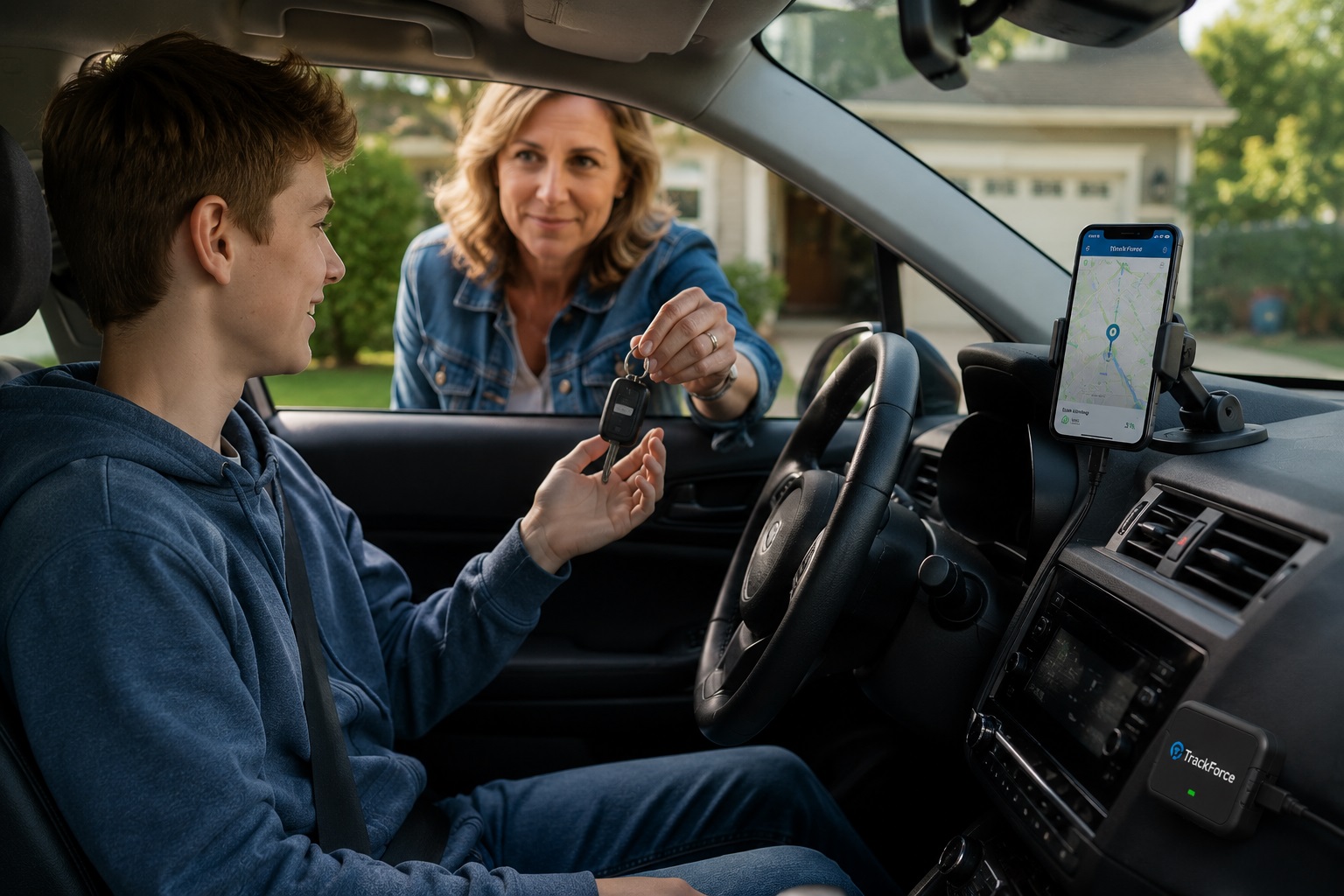
The day your teenager gets their license is exciting — and terrifying. Car accidents are the leading cause of death for teenagers in the United States, and new drivers are three times more likely to be involved in a fatal crash than adults. A GPS tracker for teen drivers won't stop every risk, but it gives parents real visibility: where they are, how fast they're driving, and whether they're following the rules you agreed on.
In this guide, we'll break down what actually matters when choosing a teen driver tracker, compare the top options for , and help you pick the right one for your family's budget and needs.
Why Parents Are Turning to GPS Trackers for Teen Drivers
A decade ago, tracking a teen driver meant checking the odometer or asking "where were you?" after the fact. Today's GPS trackers give parents live, actionable data instead of guesswork:
- Speed alerts — get notified instantly if your teen exceeds a set speed limit
- Geofencing — receive an alert if the car leaves an approved zone (school, home, work)
- Driving behavior scores — track hard braking, rapid acceleration, and harsh cornering
- Real-time location — know exactly where the vehicle is at any moment
- Trip history — review routes, stops, and driving times after the fact
What to Look for in a Teen Driver GPS Tracker
Not all trackers are built the same. Before buying, check these five factors:
1. Real-Time Updates (Not Delayed)
Cheaper trackers refresh location every 5–10 minutes. For teen driver safety, look for devices with real-time or near real-time updates (10–30 seconds), especially for speed and geofence alerts.
2. Driving Behavior Reports
A basic location dot isn't enough. The best trackers score driving habits — braking, acceleration, cornering, and speeding events — so you can have specific, evidence-based conversations instead of vague warnings.
3. Installation Type
Teen driver trackers generally come in three types:
| Type | Installation | Best For |
|---|---|---|
| OBD Plug-In | Plugs into OBD-II port, no wiring | Easiest setup, most popular for teens |
| Hardwired | Wired to vehicle battery, hidden | Harder to unplug or remove |
| Battery / Portable | Placed anywhere in the vehicle | Flexible, moves between cars |
4. Subscription Cost
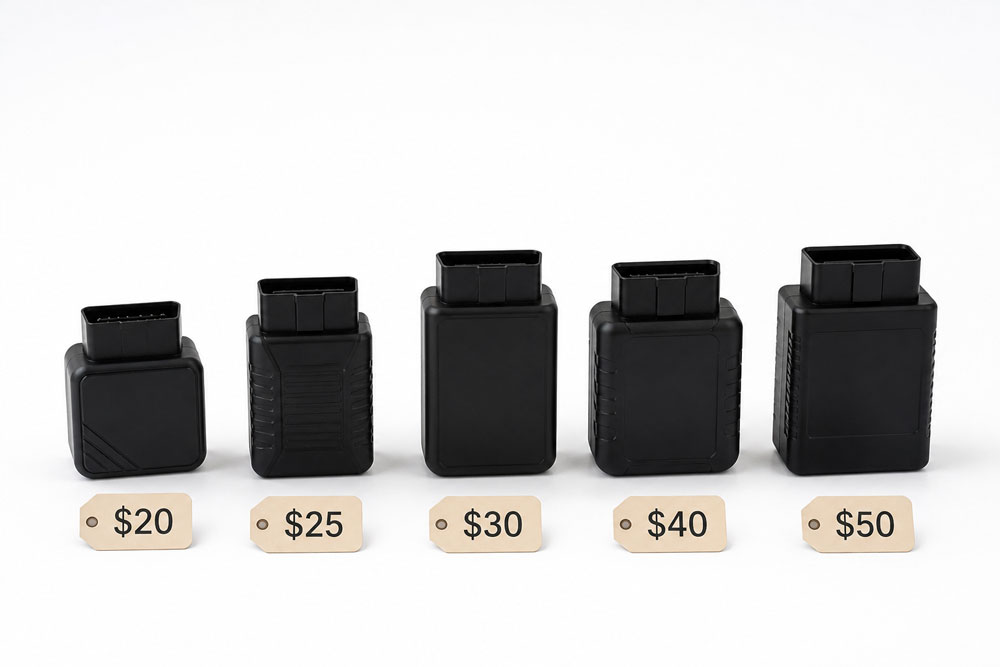
Most real-time trackers need a data plan (SIM-based) to send live updates, typically $10–$25/month. Some offer annual plans at a discount. Always check whether the "device price" already includes the first month or year of service.
5. Tamper Alerts
Top GPS Trackers for Teen Drivers in
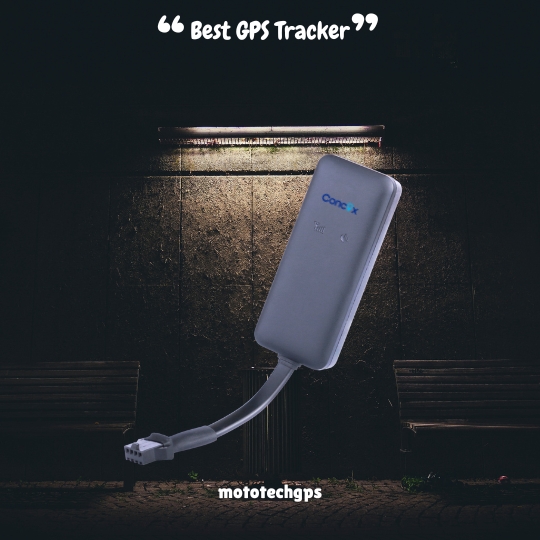
1. OBD Plug-In Real-Time Tracker
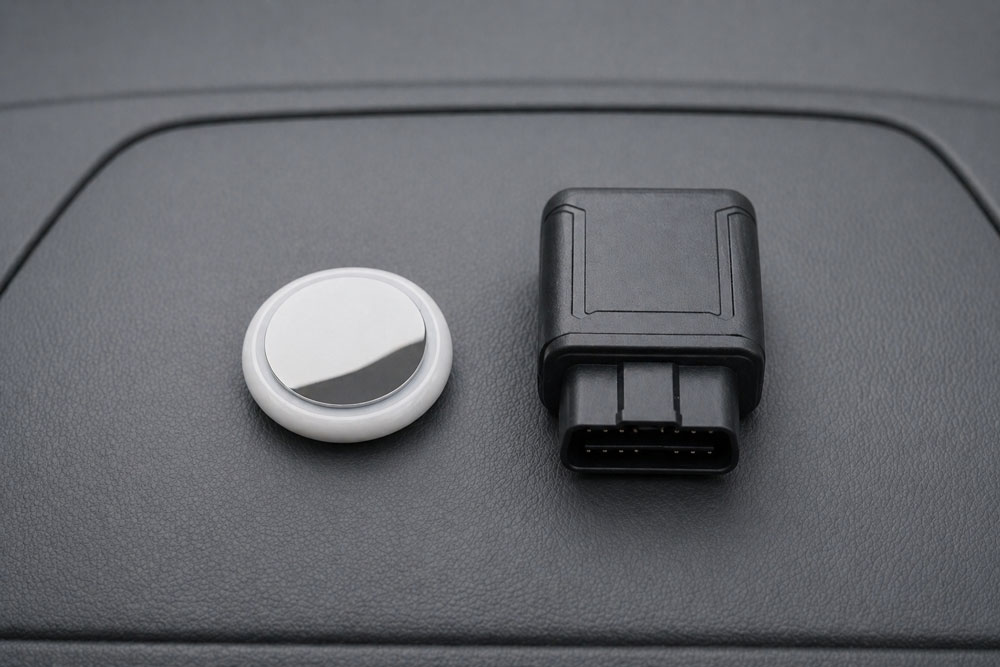
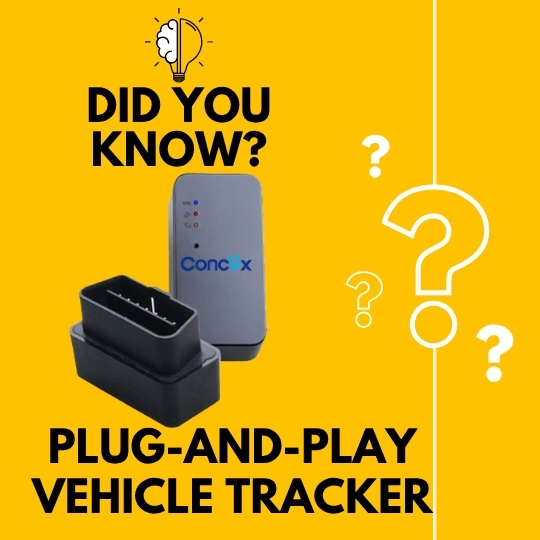
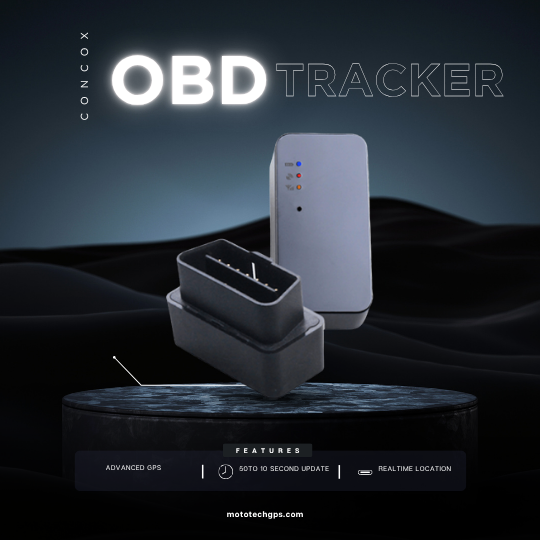
The most practical option for most families. It plugs directly into the OBD-II port (standard on nearly all cars since 1996), requires zero wiring, and delivers real-time location, speed alerts, and geofencing straight to a mobile app. Great starting point if you want reliable monitoring without touching the car's wiring.
2. Hardwired Hidden Tracker
Installed discreetly and wired to the vehicle's power, this option is nearly impossible for a teen to notice or remove. It draws power directly from the car, so there's no battery to recharge, and it keeps working even during longer trips.
3. Portable Battery Tracker
If your teen drives more than one car (yours, a friend's, a shared family vehicle), a portable battery-powered tracker offers flexibility — just move it between vehicles. Battery life varies from a few days to several weeks depending on how frequently it reports location.
How to Talk to Your Teen About Being Tracked
Tracking works best as a transparent agreement, not a secret. Consider:
- Explaining it as part of "earning driving privileges," similar to a curfew
- Setting clear speed and zone rules together before installation
- Reviewing driving reports weekly and praising improvement, not just flagging mistakes
- Offering to remove the tracker after a set period of consistently safe driving
Framing it this way builds trust instead of resentment — and studies on teen driving programs consistently show that feedback-based monitoring reduces risky driving behavior more effectively than punishment alone.
Frequently Asked Questions
Is it legal to put a GPS tracker on my teen's car?
Yes, in the United States, if you own the vehicle or are a parent/legal guardian of the driver, it is legal to install a GPS tracker on that vehicle. Laws vary if the vehicle is registered to someone else or the driver is not a minor.
Will my teen know the tracker is installed?
That depends on the device and how you choose to use it. OBD plug-in trackers are visible if someone looks under the dashboard; hardwired trackers are usually hidden. Most safety experts recommend being upfront with your teen rather than tracking secretly.
Does a GPS tracker affect car insurance?
Some insurance providers offer discounts for vehicles with tracking or telematics devices installed, since it can reduce claims related to theft and risky driving. Check with your specific provider.
How much does a teen driver GPS tracker cost?
Devices typically range from $20–$100 upfront, plus a monthly data plan of $10–$25 for real-time tracking and alerts. Some trackers offer one-time-payment options with limited features (no live alerts) for a lower ongoing cost.
What's the difference between a teen tracker and a regular car tracker?
Teen-focused trackers emphasize speed alerts, geofencing, and driving behavior scoring rather than just location — features aimed specifically at coaching safer driving habits, not just recovering a stolen vehicle.
Final Thoughts
A GPS tracker won't replace good communication with your teen driver, but it does replace guesswork with real information. Whether you choose a simple OBD plug-in device or a hidden hardwired system, the goal is the same: fewer surprises, safer habits, and peace of mind every time your teen takes the wheel.