

Best GPS Tracker for Elderly Parents — A Caregiver’s Buying Guide
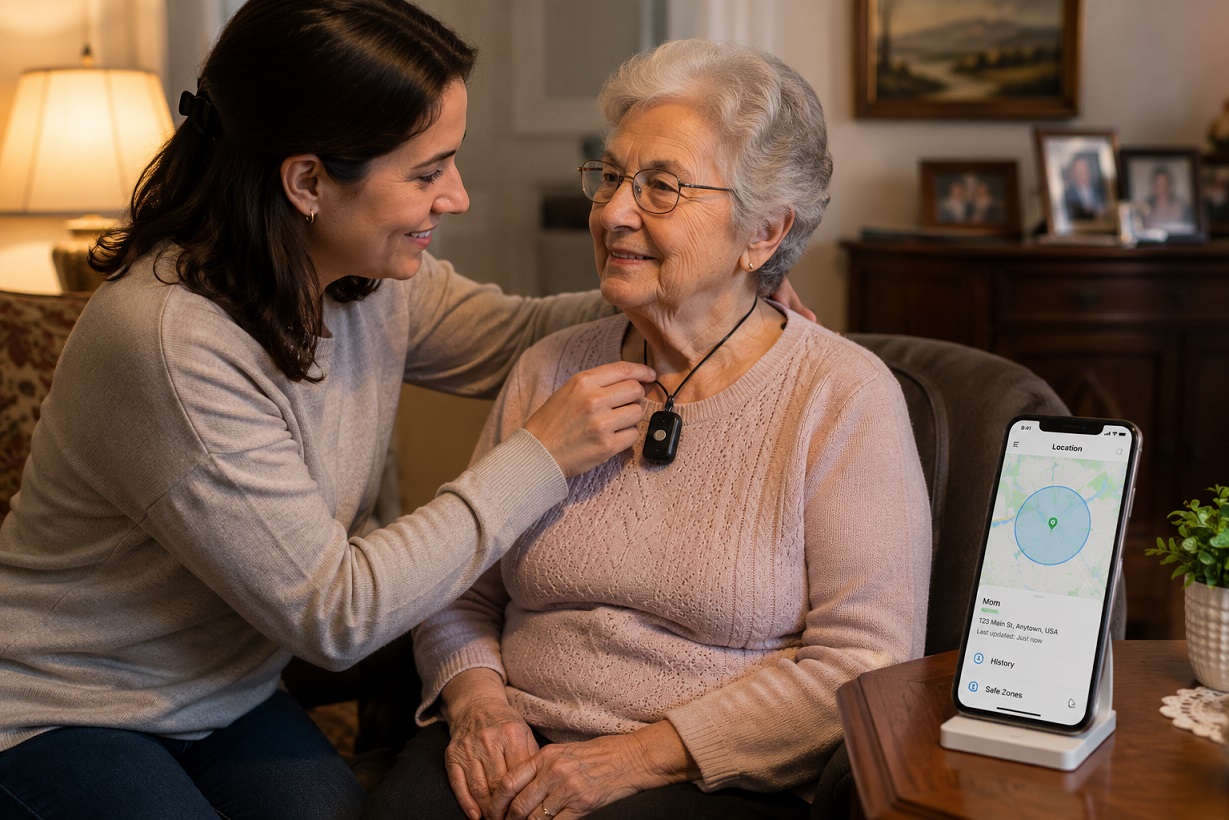
Best GPS Tracker for Elderly Parents: A Caregiver's Buying Guide
Discreet, easy-to-use tracking that gives aging parents independence — and gives you real peace of mind if they wander, fall, or need help fast.
Watching a parent age brings a quiet kind of worry — the "are they okay right now?" feeling that never fully goes away, especially if they live alone or drive themselves. A GPS tracker for elderly parents won't replace regular visits or check-in calls, but it closes the gap between them: instant alerts if they fall, wander outside a safe zone, or simply need help.
This guide covers what actually matters when choosing a tracker for an aging parent, the different device types available, and how to introduce the idea without it feeling like surveillance.
Why Adult Children Are Choosing GPS Trackers for Aging Parents
Traditional check-in calls only tell you what someone remembers to mention. A GPS tracker fills in the rest:
- Fall detection — some wearable trackers auto-alert if a sudden fall is detected
- Geofencing — get notified if a parent with memory issues leaves a safe zone (home, neighborhood)
- SOS button — a simple one-press button to call for help immediately
- Real-time location — know where they are without having to ask
- Two-way calling — some devices double as a simple phone for check-ins
What to Look for in an Elderly GPS Tracker
1. Ease of Use
Look for one-button operation, large displays, and minimal setup. A tracker with a complicated app or tiny buttons will likely end up in a drawer instead of a pocket.
2. Battery Life
Forgetting to charge a device is common. Prioritize trackers with multi-day battery life (3–7 days) over ones needing nightly charging, and look for low-battery alerts sent to your phone, not just theirs.
3. Wearable vs. Portable
| Type | Format | Best For |
|---|---|---|
| Wearable (pendant/watch) | Worn on body, hard to forget | Fall detection, dementia-related wandering |
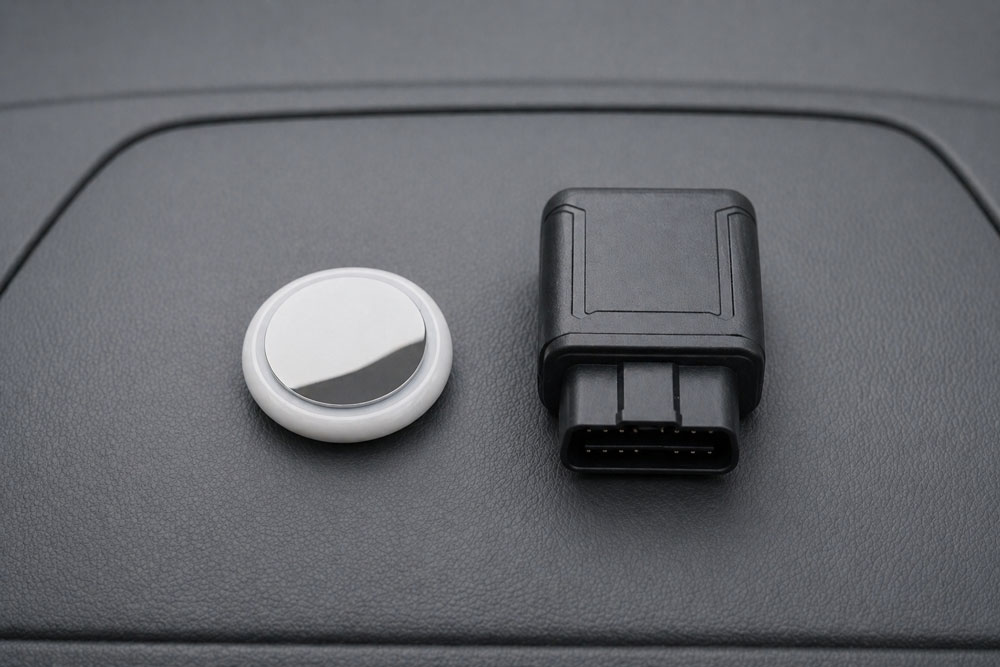
| Portable clip/keychain | Attached to bag, keys, or belt | Independent, mobile seniors |
| In-vehicle tracker | Installed in the car | Parents who still drive themselves |
4. Fall Detection Accuracy
5. Monthly Cost & Contracts
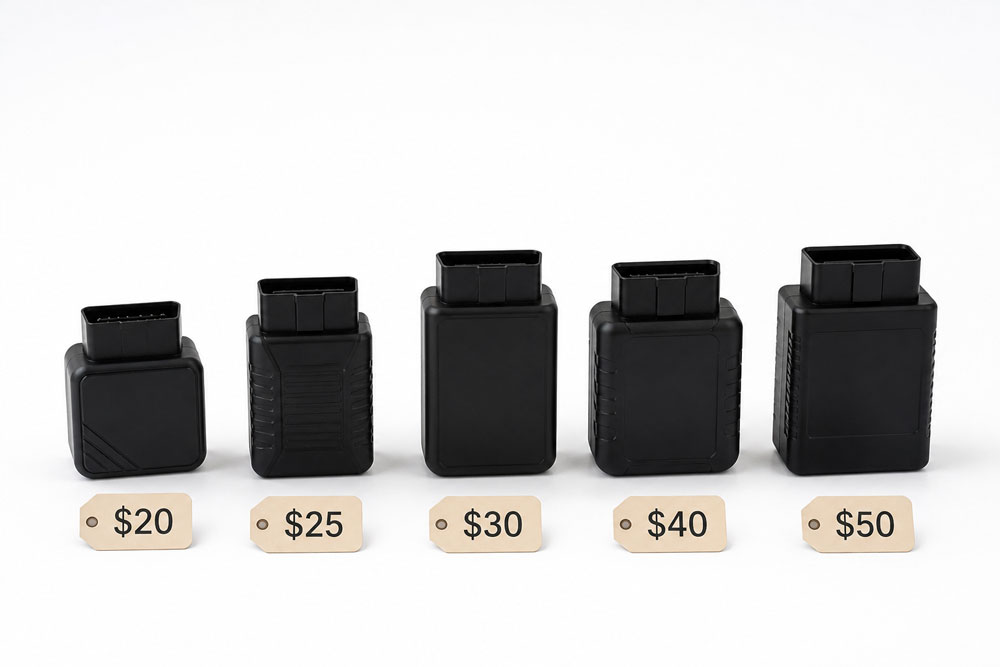
Cellular-connected trackers usually require a data plan, typically $10–$30/month. Some providers offer month-to-month plans with no long-term contract — worth prioritizing since needs can change quickly.
Top GPS Tracker Types for Elderly Parents in
1. Wearable Pendant with Geofencing + SOS
Worn around the neck or wrist, these are built for parents with memory conditions who may wander. Combine geofence alerts with a one-press SOS button, so both accidental wandering and emergencies are covered by a single device.
2. Portable Keychain/Clip Tracker
A lightweight, low-profile option for parents who are still independent and mobile but want a simple safety net. Easily clipped to a bag, cane, or keys, with real-time location visible from a companion app.
3. In-Vehicle GPS Tracker
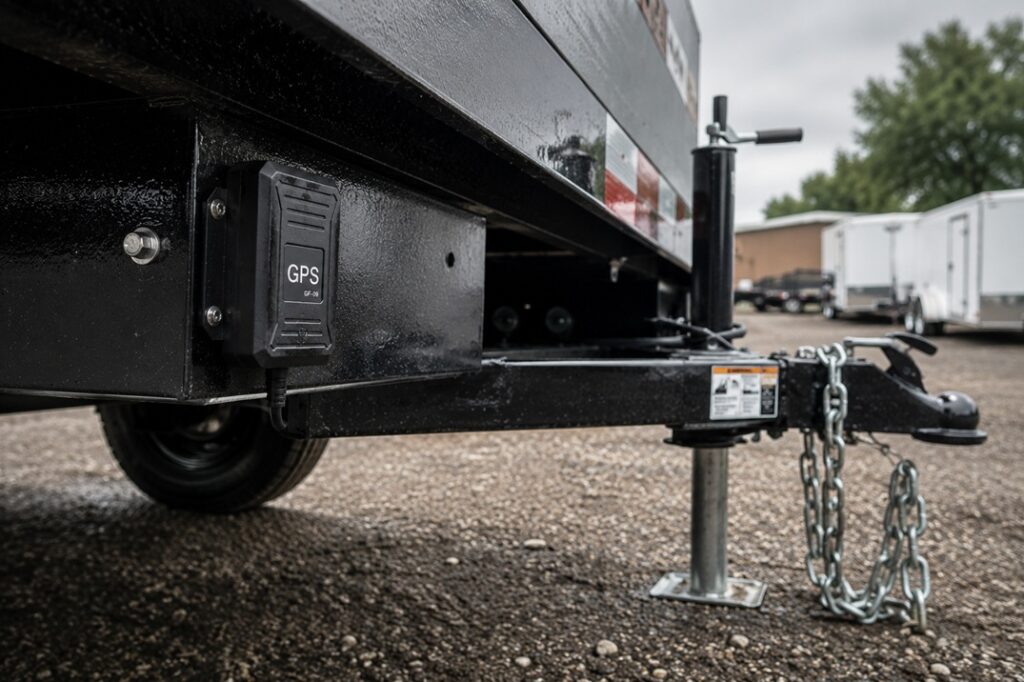
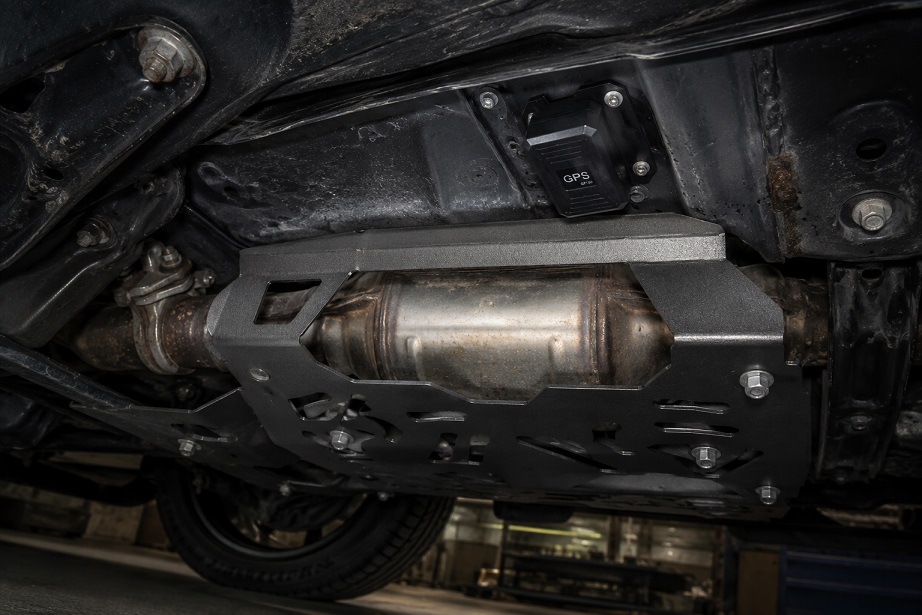
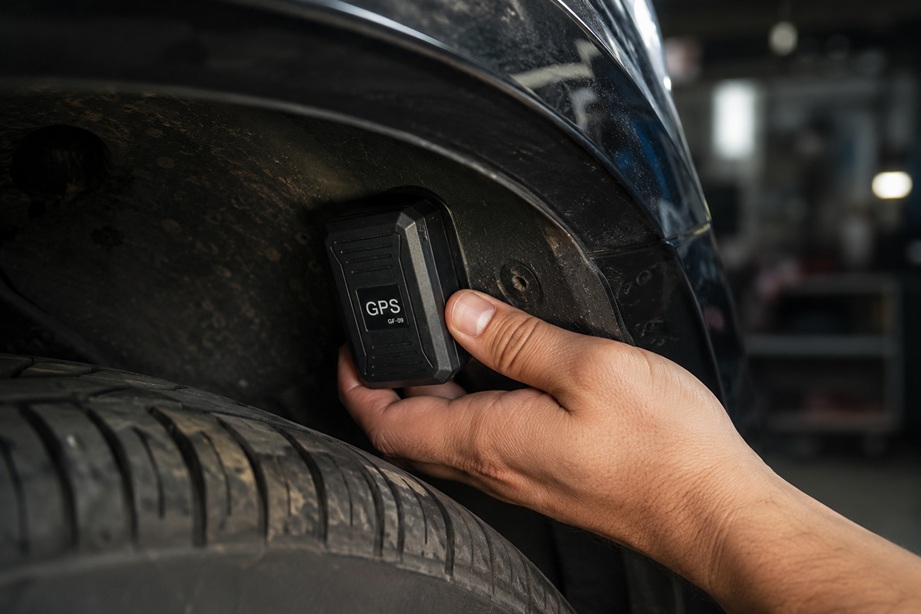
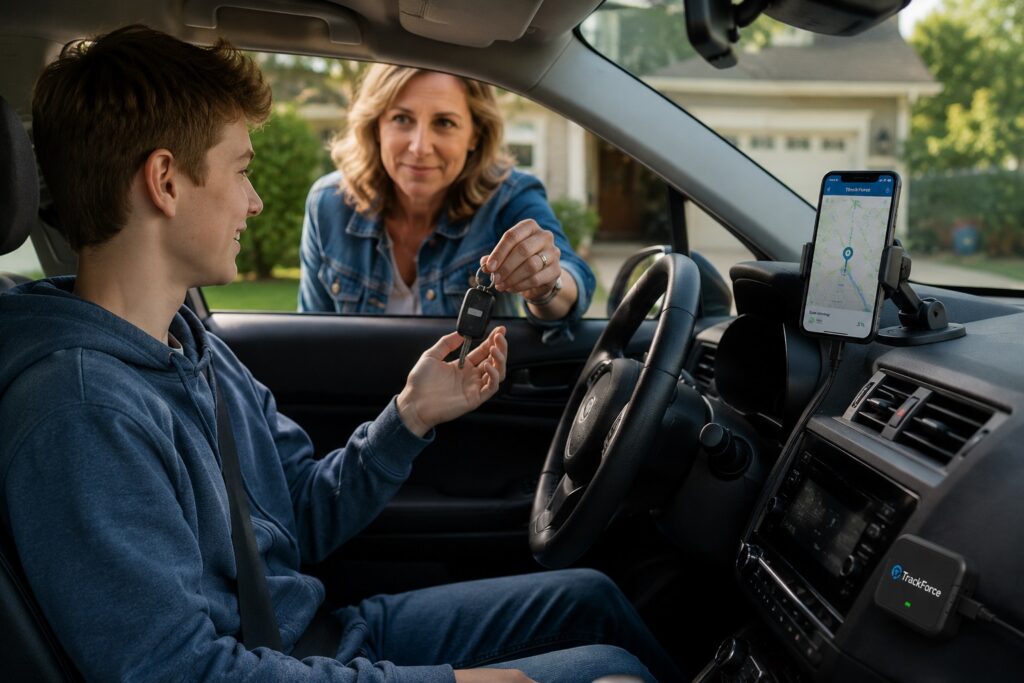
Installed discreetly in the car, this option is ideal if your main concern is a parent driving alone — giving you real-time location, speed data, and alerts if the vehicle stops somewhere unexpected for too long.
How to Bring Up GPS Tracking with a Parent
This conversation is often harder than choosing the device. A few approaches that tend to work well:
- Frame it around their independence — "this helps you stay in your home longer," not "so we can watch you"
- Let them try the device and see the app together, so it feels less like a hidden system
- Start with a lower-pressure feature (SOS button) before introducing geofence alerts
- Revisit the conversation if they're resistant — comfort often grows after seeing it used once in a real situation
Respecting a parent's autonomy while addressing real safety concerns is a balance — most families find that leading with the "why" (staying independent longer) lands better than leading with the "what" (a tracking device).
Frequently Asked Questions
Is it legal to track an elderly parent's location?
Yes, if the parent consents or if you hold legal guardianship/power of attorney. For a parent with full mental capacity, it's best practice to have their agreement before installing any tracking device.
Do GPS trackers for seniors need a monthly subscription?
Most real-time, cellular-connected trackers require a monthly data plan, typically $10–$30. Some basic Bluetooth-only trackers (short range) avoid this cost but only work within a limited distance, such as inside a home.
What's the difference between a medical alert system and a GPS tracker?
Traditional medical alert systems are often home-based (a base station plus a button) and may not track location outside the house. GPS trackers add real-time outdoor location tracking, geofencing, and often fall detection on the go.
How accurate is fall detection on wearable trackers?
Accuracy varies by device and sensor quality. Most modern accelerometer-based sensors detect the majority of hard falls but can occasionally miss soft falls or trigger false alerts during normal activity like sitting down quickly.
Can a GPS tracker work if my parent doesn't carry a smartphone?
Yes — most dedicated senior GPS trackers are standalone devices with their own SIM card and don't require a smartphone on the parent's end. You monitor their location from an app on your own phone.
Final Thoughts
Choosing a GPS tracker for an aging parent is really about buying back peace of mind — for both of you. The right device won't feel like surveillance; it'll feel like a safety net that lets your parent keep their independence a little longer, while you worry a little less.