

Best GPS Tracker for Boats — Marina & Anti-Theft Buying Guide
Best GPS Tracker for Boats: Marina & Anti-Theft Buying Guide
Boats sit unattended for weeks at a time — a GPS tracker built for marine use is often the only way you'd know something's wrong before it's too late.
A boat isn't like a car — it can sit alone at a marina, on a trailer, or moored offshore for days or weeks without anyone checking on it. That gap in supervision is exactly why marine theft and drift incidents often go unnoticed until it's too late. A GPS tracker built specifically for boats solves this, giving you real-time location, movement alerts, and geofencing designed to handle water, salt, and long stretches without a charge.
This guide covers what makes a boat tracker different from a regular car tracker, the features that matter most on the water, and how to pick the right one for your vessel.
Why Boats Need a Different Kind of GPS Tracker
Trackers designed for cars often fail fast in a marine environment. Boat-specific trackers are built around a few key differences:
- Waterproofing — rated for constant exposure to rain, spray, and humidity, not just occasional splashes
- Long battery life — built to run for weeks without access to shore power
- Anchor/mooring drift alerts — notifies you if the boat moves beyond a set radius while anchored or docked
- Solar charging options — some models trickle-charge via solar panel for indefinite runtime
- Marine-grade housing — resistant to saltwater corrosion, unlike standard plastic enclosures
What to Look for in a Marine GPS Tracker
1. Waterproof Rating
Look for at minimum an IP67 rating (dust-tight and can survive temporary submersion), though IP68-rated devices offer stronger protection for boats frequently exposed to heavy spray or rain.
2. Battery Life & Charging
| Power Type | Typical Runtime | Best For |
|---|---|---|
| Internal battery only | 2–6 weeks per charge | Boats checked on periodically |
| Solar-assisted | Indefinite (weather dependent) | Boats left unattended for long stretches |
| Hardwired to boat battery | Continuous while battery is charged | Boats used frequently, docked most nights |
3. Geofencing & Drift Alerts
A marine tracker should let you set a geofence radius around your mooring or dock spot, sending an instant alert if the boat drifts or is moved beyond it — critical during storms or when anchored overnight.
4. Cellular vs Satellite Connectivity
5. App & Alert Reliability
Check for real user reviews specifically mentioning missed alerts or app downtime — a tracker is only as useful as the notification that reaches your phone when something actually happens.
Top GPS Tracker Types for Boats in 2026
1. Solar-Assisted Waterproof Tracker
Designed to trickle-charge via a small solar panel, this option is built for boats that sit unattended for weeks. Combines drift/geofence alerts with a rugged, saltwater-resistant housing rated for constant marine exposure.
2. Cellular GPS Tracker with Anchor Alarm
A strong all-around option for boats that stay within cellular coverage range. Real-time location updates plus an anchor drift alarm cover both theft concerns and the more common issue of a boat shifting off its mooring.
3. Satellite-Connected Marine Tracker
For boats that regularly travel beyond cell tower range, a satellite tracker maintains location reporting anywhere on the water — at a higher device and subscription cost, but without the coverage gaps of cellular-only options.
Extra Tips for Protecting Your Boat
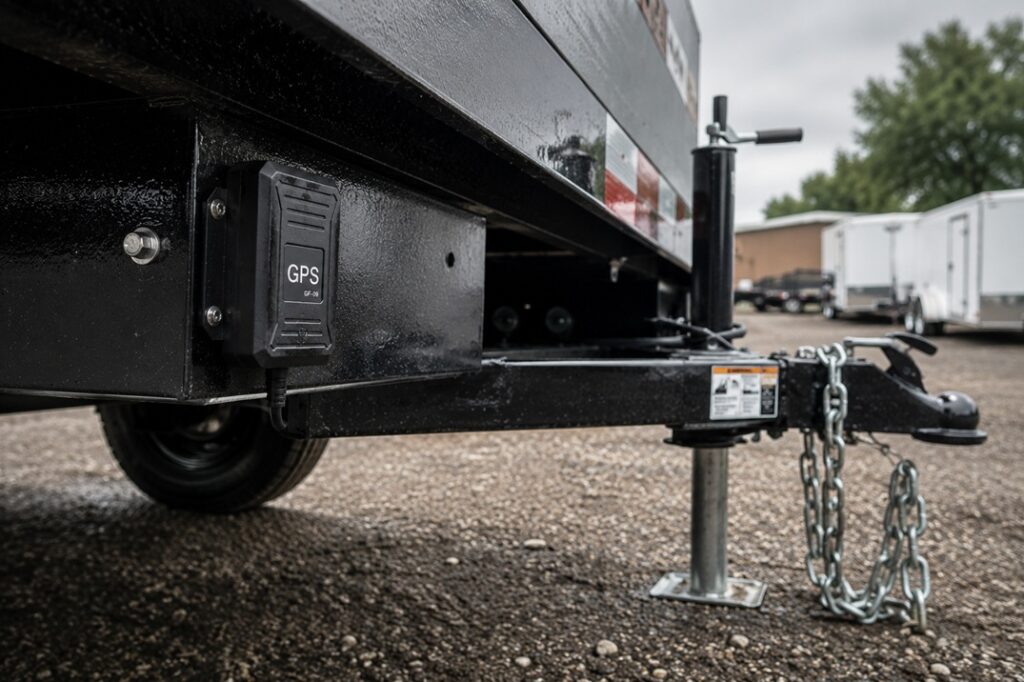
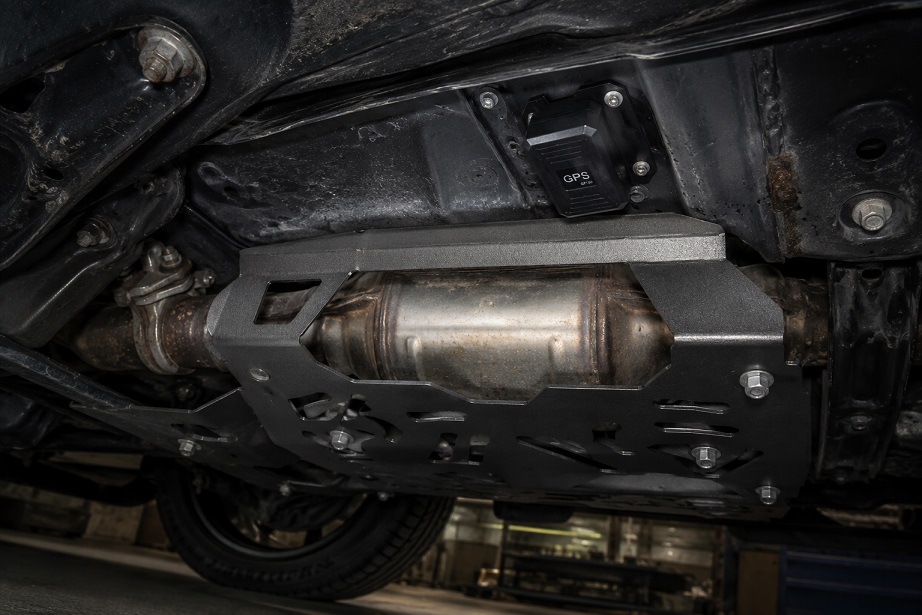
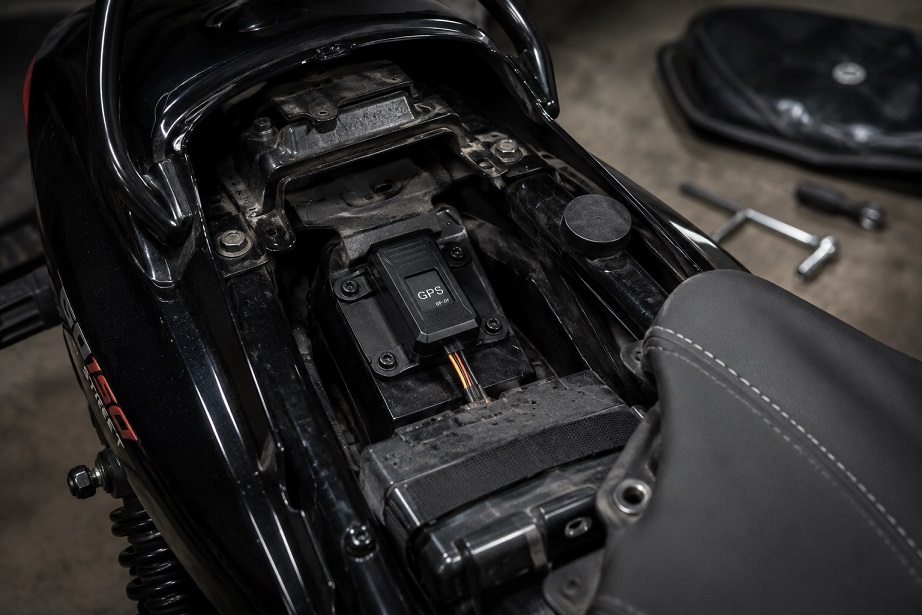
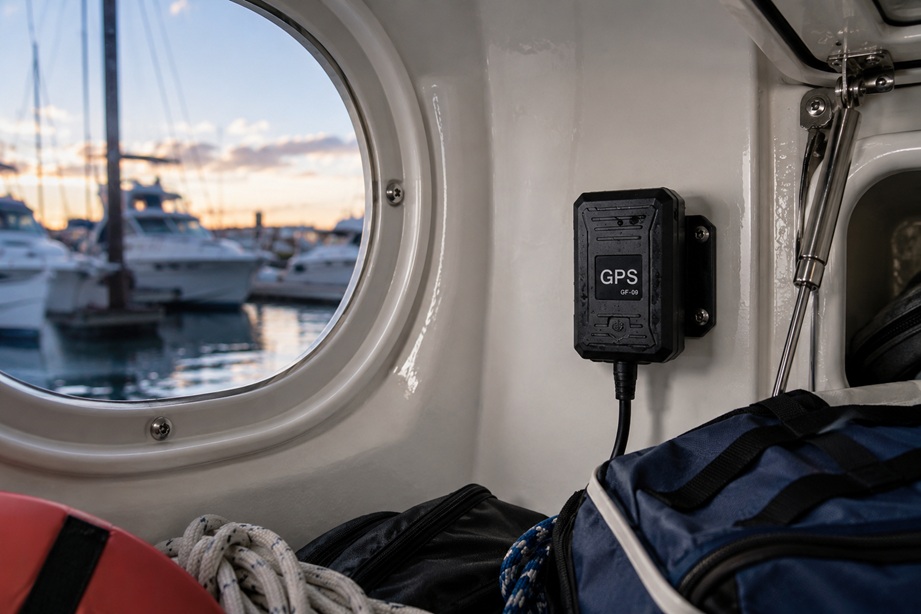
- Mount the tracker in a hidden but accessible spot — under a console or inside a dry storage compartment works well
- Set a tight geofence radius while docked, and a wider one while actively cruising
- Check waterproof seals and battery levels seasonally, especially before storage over winter
- Register your hull identification number (HIN) with your tracker provider in case police recovery is needed
Frequently Asked Questions
Do GPS boat trackers work without cell service?
Standard cellular trackers lose connectivity once outside network range, typically a few miles offshore depending on the area. Satellite-based trackers maintain a connection regardless of distance from shore, at a higher subscription cost.
How waterproof does a boat tracker need to be?
Look for at least an IP67 rating for boats exposed to regular spray and rain. Boats that see frequent wave exposure or rough water benefit from an IP68-rated device for stronger protection.
Can a GPS tracker detect if my boat drifts off its anchor?
Yes — most marine trackers include a geofence or "anchor alarm" feature that sends an alert if the boat moves beyond a set radius, which is useful for catching drift caused by tide changes, wind, or a dragging anchor.
How long does a marine GPS tracker's battery last?
Internal battery-only trackers typically last two to six weeks per charge depending on reporting frequency. Solar-assisted models can run indefinitely under normal sunlight conditions, while hardwired trackers rely on the boat's own battery system.
Does boat insurance require or discount GPS tracking?
Some marine insurers offer discounts for boats equipped with GPS tracking or anti-theft devices, since it can reduce total-loss claims from theft. Check directly with your insurance provider for specific eligibility and discount amounts.
Final Thoughts
A boat left unattended is a boat left vulnerable — to theft, drift, and storm damage you won't know about until you show up. A marine-grade GPS tracker closes that gap, giving you a real-time alert the moment something changes, whether you're a mile away at the marina office or across the country.