

GPS Tracker vs Apple AirTag vs Bluetooth Tracker — Which Do You Need?
GPS Tracker vs Apple AirTag vs Bluetooth Tracker: Which Do You Actually Need?
They all "track" something — but real-time GPS trackers, AirTags, and Bluetooth trackers solve completely different problems. Here's how to know which one fits yours.
"Just get an AirTag" is common advice for anyone worried about losing something — but it's the wrong answer for a surprising number of situations. AirTags, Bluetooth trackers, and dedicated GPS trackers all show up in the same search results, but they're built for completely different jobs. Buying the wrong one means either overpaying for features you don't need, or worse, discovering the device simply doesn't work for your actual situation.
This guide breaks down exactly how these three tracker types differ, and which one actually solves the problem you have.
The Core Difference: How Each Tracker Actually Works
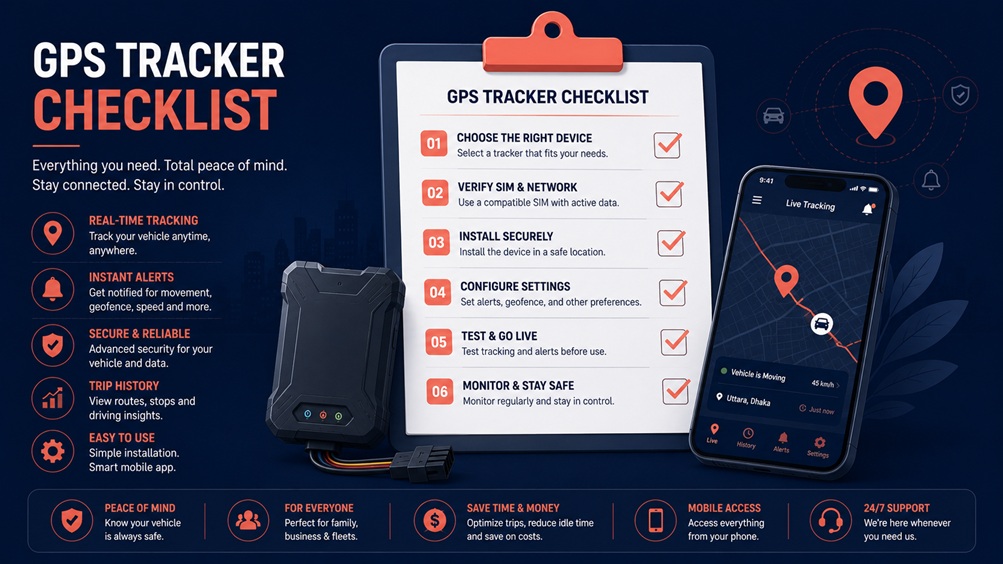
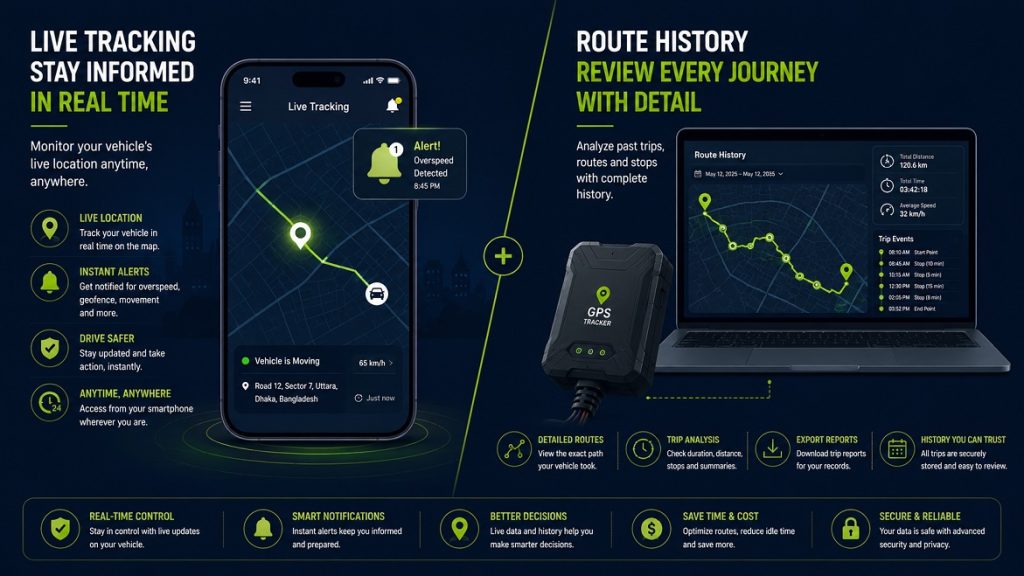
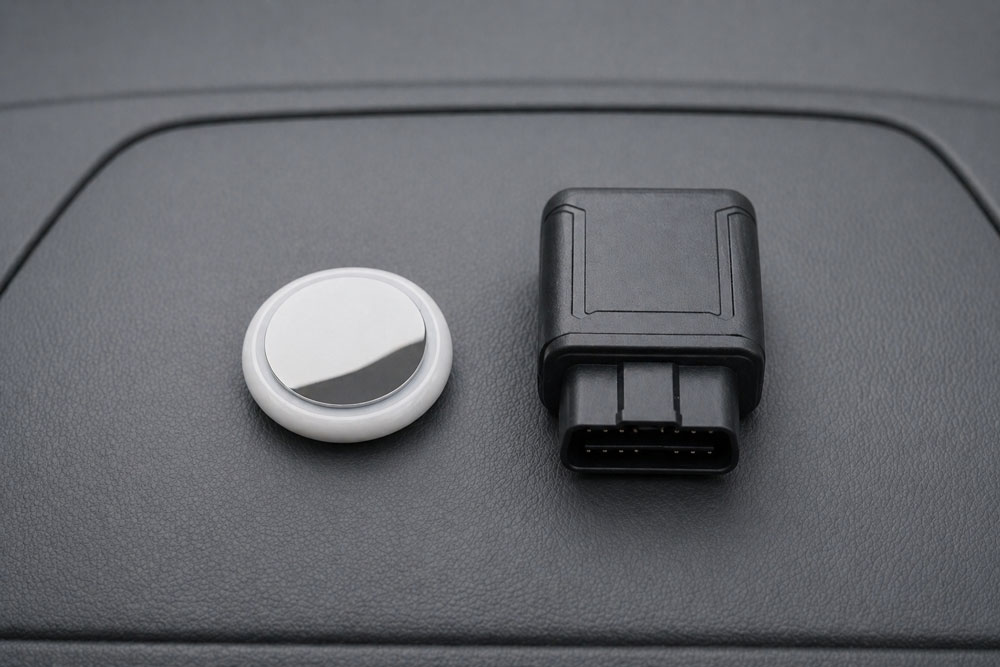
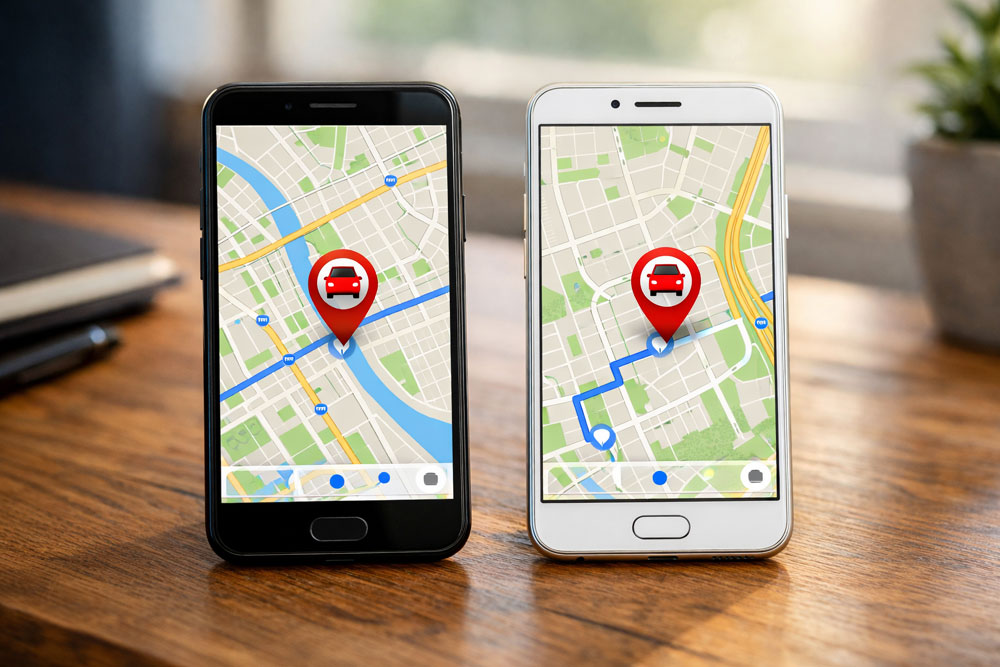
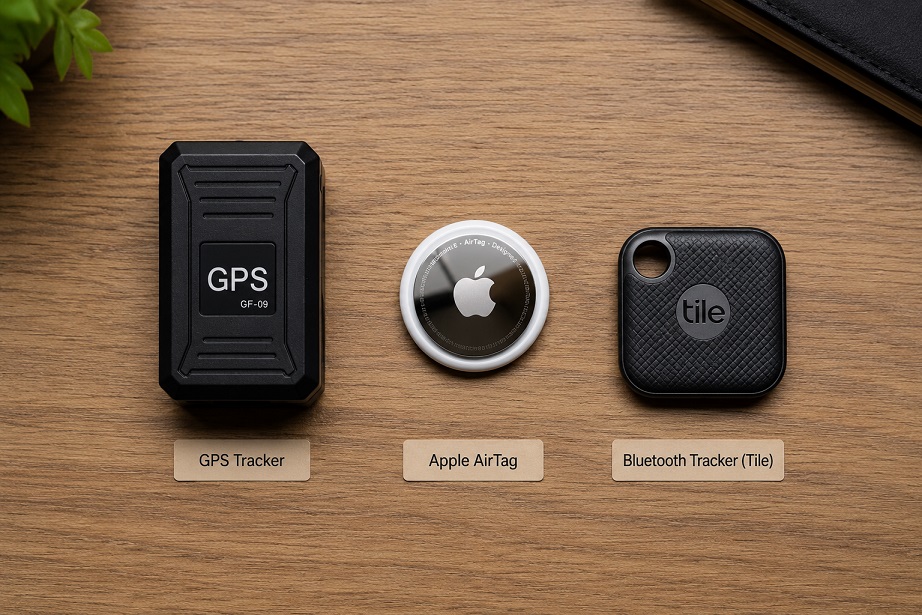
- GPS trackers use satellite positioning plus a cellular data connection to report real-time location anywhere there's cell coverage, independent of any nearby phone
- Apple AirTags use Bluetooth combined with Apple's "Find My" network — meaning they rely on nearby iPhones passing along their location, not a direct connection
- Standalone Bluetooth trackers connect directly to your own phone over a short range, with no wider network to fall back on once you're out of range
Side-by-Side Comparison
| Feature | GPS Tracker | Apple AirTag | Bluetooth Tracker |
|---|---|---|---|
| Real-time tracking | Yes, live updates | Depends on nearby iPhones | Only within Bluetooth range |
| Works without a phone nearby | Yes | Relies on Apple's network | No |
| Range | Unlimited (cell coverage) | Wide but inconsistent | ~30–100 ft |
| Monthly cost | $10–$25/month typical | None | None |
| Best for | Vehicles, theft recovery, teen/elderly tracking | Keys, luggage, everyday items | Wallets, bags, nearby items |
When a GPS Tracker Is the Right Choice
Choose a dedicated GPS tracker when you need to know a location in real time, regardless of whether anyone's phone happens to be nearby:
- Tracking a vehicle for theft recovery or fleet management
- Monitoring a teen driver's speed, location, and driving habits
- Keeping tabs on an elderly parent who may wander or need emergency help
- Tracking a boat, RV, or trailer left unattended for extended periods
- Any situation where waiting for a nearby phone to relay a signal isn't good enough
When an AirTag Makes More Sense
AirTags are a strong, low-cost choice for everyday items you're more likely to misplace than have stolen from a remote location:
- Keys, wallets, and backpacks around the house or city
- Checked luggage on flights, since airports and planes have heavy iPhone traffic
- Items you occasionally lose but don't need live, second-by-second tracking for
The lack of a monthly fee is a major advantage here — but remember it depends entirely on Apple's device network being present nearby, which can be a real gap in rural or low-iPhone-density areas.
When a Basic Bluetooth Tracker Is Enough
If you only need to find something within arm's reach — like a wallet slipped between couch cushions or a bag across a room — a simple Bluetooth tracker connected directly to your phone is often the cheapest and simplest option, with no ongoing cost and no dependence on any wider network.
Quick Decision Guide
You need guaranteed, real-time location — anywhere
Vehicles, people, or valuable equipment where "eventually someone's phone will find it" isn't an acceptable answer.
You mostly misplace things in populated areas
Everyday items like keys or luggage, where a free, network-based solution is good enough most of the time.
You just need short-range "where did I put that" help
Items that rarely leave your immediate vicinity, where a no-subscription, direct connection is all you need.
Frequently Asked Questions
Can an AirTag replace a GPS tracker for a car?
Not reliably. An AirTag depends on nearby iPhones to relay its location, which means there's no guarantee of real-time tracking, especially in areas with fewer Apple devices. A dedicated GPS tracker provides consistent, real-time location regardless of nearby phones.
Do GPS trackers always require a monthly subscription?
Most real-time, cellular-connected GPS trackers require a data plan, typically $10–$25/month, to transmit live location. Some basic GPS loggers avoid this by storing location data for later download instead of live transmission.
Are Bluetooth trackers completely useless outside their range?
Standalone Bluetooth trackers without a broader network (unlike AirTags) generally stop reporting location once outside Bluetooth range, typically 30–100 feet, until you're back in range again.
Which option is best for tracking a stolen vehicle?
A dedicated GPS tracker with real-time cellular connectivity and backup battery power is the strongest option for vehicle theft recovery, since it doesn't depend on a phone happening to be nearby.
Is it worth paying a monthly fee for a GPS tracker over a free AirTag?
It depends on the stakes. For low-risk everyday items, the free AirTag is often good enough. For higher-value items or safety-critical tracking (vehicles, people), the reliability of a dedicated GPS tracker generally justifies the monthly cost.
Final Thoughts
There's no single "best" tracker — only the best one for what you're actually trying to solve. If losing something means a minor inconvenience, an AirTag or Bluetooth tracker will likely do the job for free. If losing it means real risk — a stolen vehicle, a wandering parent, an unsafe teen driver — a dedicated GPS tracker is the one built for that job.