

Best GPS Tracker for Motorcycle — Anti-Theft & Recovery Guide
Best GPS Tracker for Motorcycle: Anti-Theft & Recovery Guide
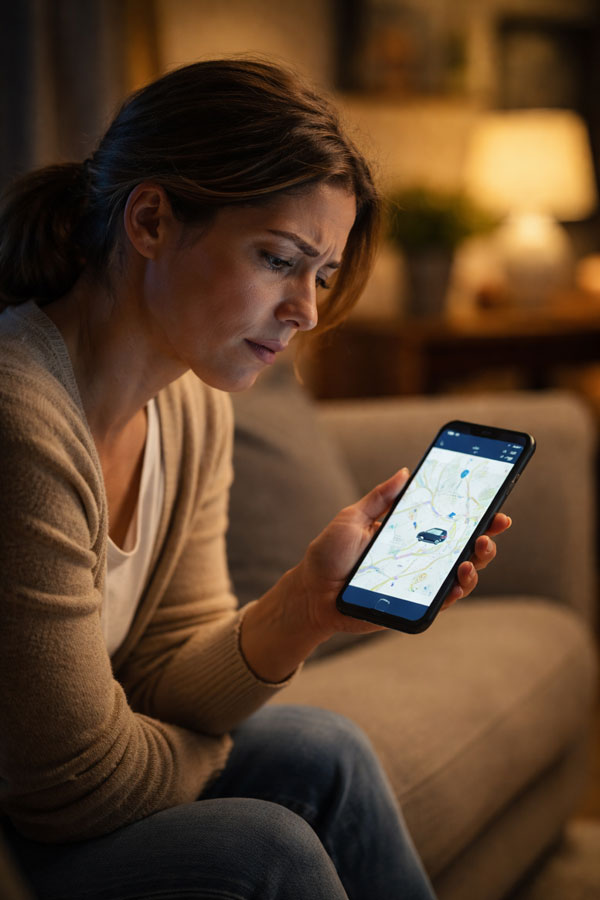
Motorcycles are stolen at a far higher rate than cars — and a good hidden GPS tracker is often the single biggest factor in getting yours back.
Motorcycles are stolen at a disproportionately high rate compared to cars — they're lighter, easier to lift into a truck bed, and harder to secure with a simple lock alone. A dedicated GPS tracker changes the odds significantly, giving you (and police) a live location the moment your bike is moved, rather than finding out it's gone hours or days later.
This guide covers what makes a motorcycle tracker different from a standard car tracker, where to hide one on a bike, and which type fits your riding style and budget.
Why Motorcycles Need a Purpose-Built GPS Tracker
Cars and motorcycles get stolen differently, which changes what a tracker needs to do:
- Weatherproofing — exposed to rain, wind, and vibration constantly, unlike a tracker tucked inside a car cabin
- Compact size — needs to fit in tight spaces under the seat, tail, or fairing without being obvious
- Motion/tilt alerts — many bike trackers alert you if the bike is moved, tipped, or lifted, not just driven
- Independent battery backup — since bikes can be pushed or loaded onto a truck without the engine running
- Vibration-resistant mounting — road vibration can loosen poorly secured trackers over time
What to Look for in a Motorcycle GPS Tracker
1. Motion & Tilt Detection
Unlike cars, motorcycles can be stolen without ever starting the engine — simply wheeled away or lifted into a vehicle. Look for trackers with motion and tilt sensors that alert you the moment the bike is disturbed, not just when it's ridden.
2. Weatherproof Rating
Since most trackers are mounted somewhere exposed to the elements, an IP67 rating or higher is the minimum for reliable long-term use through rain, road spray, and humidity.
3. Mounting Location
| Hiding Spot | Pros | Cons |
|---|---|---|
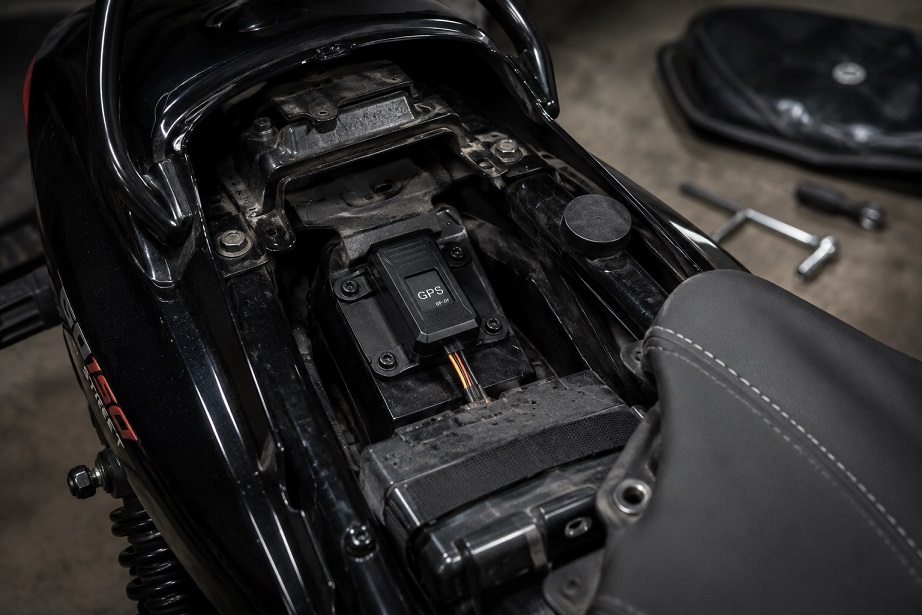
| Under the seat | Easy access, good concealment | Some models require seat removal to install |
| Inside the tail section | Very hidden, weather-protected | May require partial fairing removal |
| Battery compartment | Close to power source if hardwired | Limited space on smaller bikes |
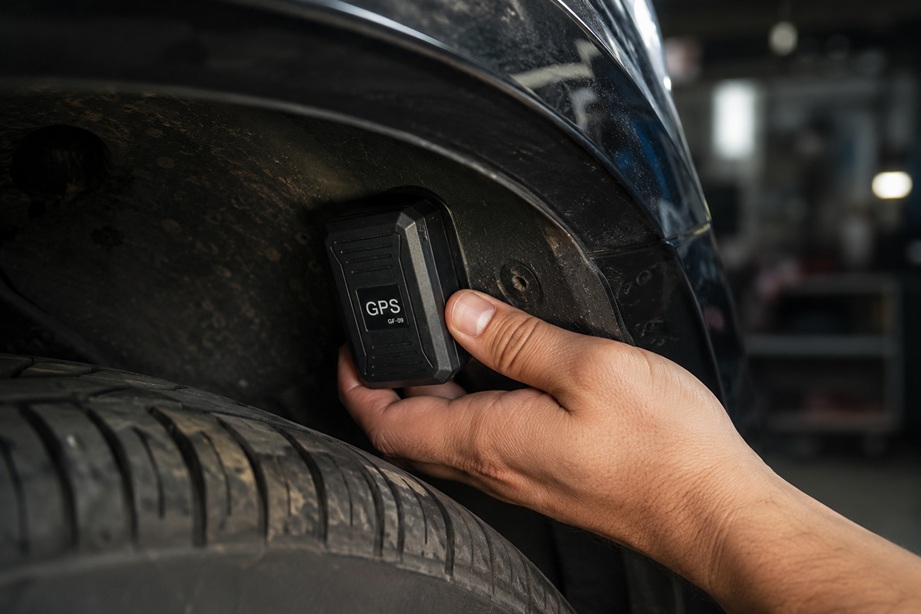
| Frame-mounted (magnetic) | No tools needed, quick install | Visible if not tucked carefully |
4. Battery Life & Backup Power
5. Real-Time Alert Speed
For theft recovery, updates every 10–30 seconds are far more useful than a device that only refreshes every several minutes — a stolen motorcycle can be loaded and driven miles away quickly.
Top GPS Tracker Types for Motorcycles in
1. Hardwired Tracker with Motion Alert & Backup Battery
Wired into the bike's electrical system and tucked under the seat or tail, this option combines continuous power with an internal backup battery, plus motion detection that catches theft attempts even before the bike moves far.
2. Magnetic Battery-Powered Tracker
No wiring needed — a compact, weatherproof magnetic tracker that mounts to the frame in minutes. Good for riders who want protection without removing panels or fairings, with battery life typically lasting one to several weeks per charge.
3. GPS Tracker with Route History & Geofencing
Beyond theft protection, this option logs full ride history and lets you set geofence alerts for parking at unfamiliar stops on longer trips — useful for touring riders who want both security and a trip log in one device.
Extra Steps to Improve Recovery Odds
- Combine a GPS tracker with a visible disc lock or chain to slow down a theft attempt
- Record your bike's VIN and keep proof of ownership accessible in case of a police report
- Test the tracker's alert speed and accuracy before you actually need it in an emergency
- Keep the companion app's notifications enabled at all times, especially during long-term parking or storage
Frequently Asked Questions
Where's the best hidden spot for a motorcycle GPS tracker?
Under the seat or inside the tail section are the two most common hiding spots, offering good concealment and weather protection. The best location depends on your specific bike model and available space.
Do motorcycle GPS trackers need a monthly subscription?
Most real-time, cellular-connected trackers require a monthly data plan, typically $10–$25, to transmit live location and alerts. Bluetooth-only trackers avoid this cost but only work within a short range, typically a few hundred feet.
Will a GPS tracker still work if my motorcycle's battery is disconnected?
Only if the tracker has its own internal backup battery. A tracker relying solely on the bike's main battery will stop transmitting the moment that battery is disconnected or removed, which is common during theft.
Can a GPS tracker detect if someone tries to move my parked motorcycle?
Yes — many motorcycle-specific trackers include motion and tilt sensors that send an alert if the bike is moved, lifted, or tipped, even before it's actually ridden away.
Does having a GPS tracker lower motorcycle insurance rates?
Some insurers offer discounts for motorcycles equipped with anti-theft or tracking devices, since it can reduce total-loss claims from theft. Check directly with your insurance provider for specific eligibility.
Final Thoughts
Motorcycles will likely always be a higher theft target than cars simply because they're easier to take. A well-hidden, backup-powered GPS tracker doesn't eliminate that risk, but it puts the odds back in your favor — turning a stolen motorcycle into a recoverable one instead of a total loss.