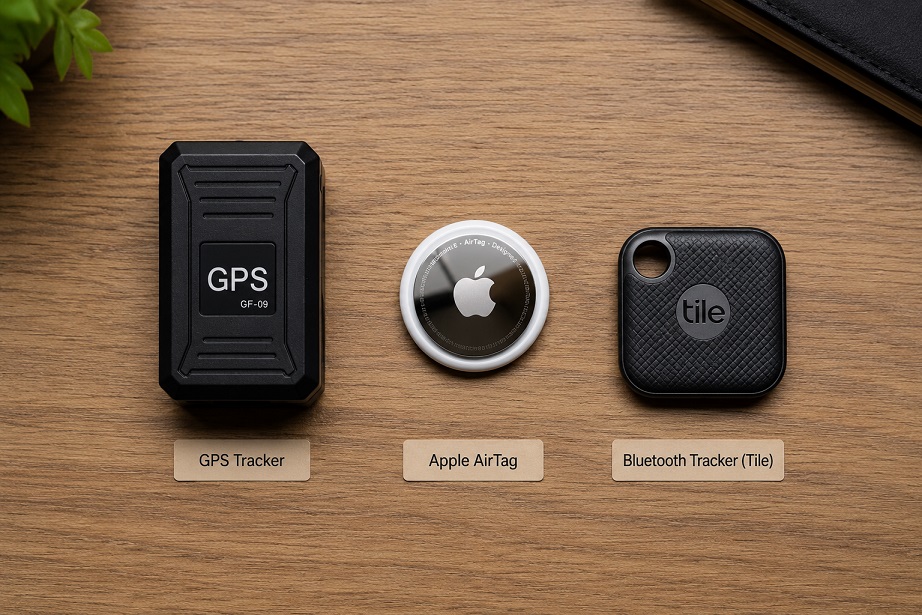


GPS Tracker Buying Checklist: 10 Questions to Ask Before You Buy
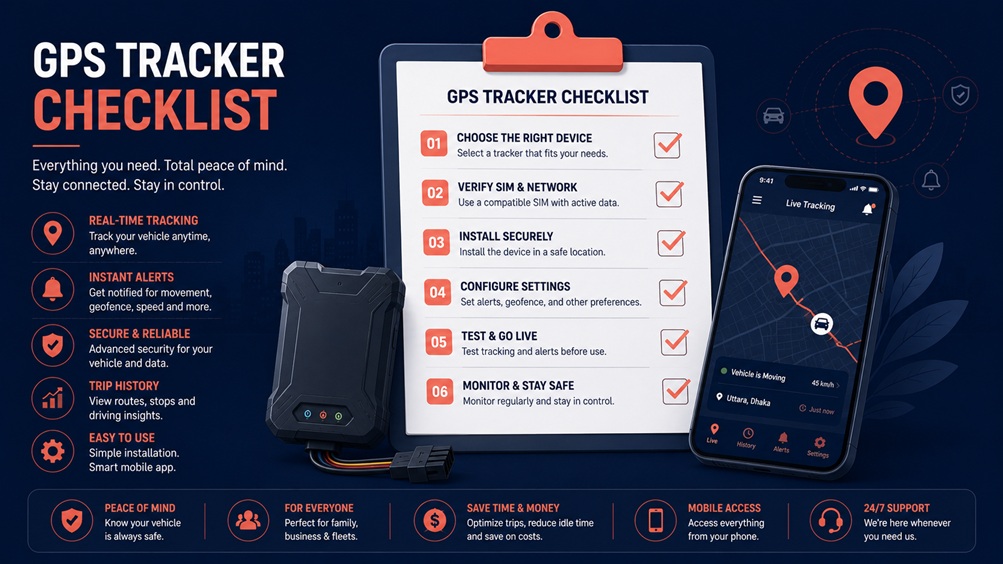
GPS Tracker Buying Checklist: 10 Questions to Ask First
Skip the buyer's remorse. Run through these 10 questions before you commit to a specific GPS tracker and provider.
With dozens of GPS tracker models and providers to choose from, it's easy to focus on price alone and end up with a device that doesn't actually fit your needs. This checklist pulls together the questions that matter most, so you can compare options quickly and confidently rather than discovering gaps after you've already bought and installed something.
✅ The 10 Questions to Ask Before Buying
What exactly am I trying to track?
A vehicle, a person, an asset, or a pet each need a genuinely different type of device. Getting this clear first narrows your entire search immediately and avoids buying the wrong category outright.
Do I need real-time tracking, or just historical data?
If theft protection, safety alerts, or live location matter, you need real-time tracking with an ongoing subscription. If you only want to review routes after the fact, a passive tracker may be sufficient and cheaper long-term.
Wired or plug-and-play installation?
Wired trackers offer continuous power and stronger anti-theft features but need professional installation. Plug-and-play units are self-installable but rely on battery power or OBD port connection.
Does it include a backup battery?
For theft protection specifically, a device with backup power keeps reporting even if the main connection is cut — often the very first thing an experienced thief does.
What's the total first-year cost, not just the device price?
Add device cost, installation, and 12 months of subscription together — this is the number that actually determines whether a "cheap" option is genuinely cheaper than a pricier alternative.
Does the SIM/data plan have reliable coverage where I'll actually use it?
A great device with poor coverage in your specific area — city center, rural route, or underground parking — will underperform regardless of its features.
Is the app genuinely easy to use?
Ask for a demo or check reviews specifically about app usability, since a clunky interface makes daily use frustrating regardless of how capable the underlying hardware is.
What does local support and warranty actually cover?
Ask how warranty claims are handled, whether there's a local service center, and how quickly support responds — this matters far more the day something goes wrong than it does at purchase time.
How is my location data stored and protected?
Check for encryption, a clear data retention policy, and whether data is ever shared with third parties — location history is genuinely sensitive personal information.
What happens after the first year — does pricing change?
Some providers offer attractive first-year promotional pricing that increases significantly at renewal. Ask directly about year-two pricing before committing.
📊 Quick Reference: What Matters Most by Use Case
| Your Priority | Focus Most On |
|---|---|
| Theft protection | Backup battery, hidden installation, real-time alerts |
| Fleet management | Multi-vehicle dashboard, bulk installation, reporting |
| Family safety | Ease of app use, SOS button, geofencing |
| Budget-conscious tracking | Total first-year cost, passive tracker option |
| Rental/business assets | Geofencing, usage reports, bulk pricing |
🚩 Red Flags to Watch For
A seller unwilling to clarify device, installation, and subscription costs together separately is worth extra caution.
No clear statement on data retention or third-party sharing is a meaningful gap, not a minor detail.
An imported device with no local point of contact becomes a real problem if something fails.
A legitimate seller should be comfortable with you taking time to compare options and ask questions.
🛒 Putting It All Together
Working through these ten questions doesn't need to take long — many can be answered directly from a seller's website or product listing, while others, like year-two pricing or specific data retention policies, are worth asking directly if they're not clearly stated. The goal isn't to find a perfect device with no tradeoffs, since every tracker involves some balance between cost, features, and convenience, but rather to make sure you understand exactly what you're getting before committing, so there are no unpleasant surprises after installation.
For most buyers, the questions around total first-year cost, installation type, and local support tend to matter most in practice, since these directly affect the day-to-day experience of owning and relying on the device. The remaining questions — particularly around data privacy and renewal pricing — are easy to overlook but become genuinely important over the longer time horizon most people actually keep and use a tracker.
❓ Frequently Asked Questions
Is it worth paying more for a well-known brand over a cheaper alternative?
Brand recognition alone isn't necessarily the deciding factor — what matters more is whether the specific provider offers reliable local support, transparent pricing, and clear data practices, regardless of how well-known the name is. A less prominent but genuinely well-supported local provider can be a better choice than an internationally recognized brand with weak local service.
Should I buy from a marketplace or directly from a specialized provider?
Buying directly from a specialized GPS tracker provider often gives you clearer access to installation support, warranty service, and someone knowledgeable to answer setup questions, compared to a general marketplace listing where after-sales support can be harder to reach or less specialized.
What's a reasonable amount of time to spend comparing options before buying?
For most personal vehicle trackers, spending a few days comparing two or three options against this checklist is generally sufficient, since the core questions can usually be answered fairly quickly through product pages and a couple of direct questions to sellers. For fleet or business purchases involving a larger investment across many vehicles, taking a week or two to properly compare providers, request references, and negotiate bulk pricing is time well spent given the larger financial commitment involved.
💬 How to Use This Checklist When Talking to Sellers
Rather than asking all ten questions in a single overwhelming message, it often works better to lead with the two or three that matter most for your specific situation — total first-year cost and installation type for most personal buyers, or bulk pricing and dashboard capabilities for fleet buyers — then follow up with the remaining questions once you've narrowed down to a shortlist of two or three serious options. This approach respects both your time and the seller's, while still ensuring you get clear answers before committing.
It's also worth noting how a seller responds to these questions, not just what they answer. A provider who answers clearly, provides specifics rather than vague reassurances, and doesn't pressure you toward an immediate decision is generally demonstrating the kind of reliability that matters just as much after purchase as the device specifications themselves.
📌 A Note on Comparing Multiple Quotes
When gathering quotes from several sellers, it helps to request the same breakdown from each — device cost, installation cost, first-year subscription, and any bundled accessories like SIM or mounting kit — laid out in the same format so you're comparing genuinely equivalent offers rather than trying to mentally reconcile different pricing structures. Some sellers bundle everything into one headline price while others itemize each component separately, and without a consistent comparison format, it's surprisingly easy to end up comparing numbers that don't actually represent the same thing.
✅ Final Thoughts
A GPS tracker is a purchase you'll likely rely on for years, so a few extra minutes spent working through these ten questions upfront is well worth it compared to discovering gaps after installation. Focus especially on total first-year cost, installation fit for your situation, and genuine local support — these three areas cause the most buyer's remorse when overlooked, and they're also the easiest to verify clearly before you commit.
✅ Ready to Compare Trackers?
Browse GPS tracker models with transparent pricing, clear specs, and genuine local installation support.