

How Accurate Are GPS Trackers, Really?
2026 Buyer’s Guide
How Accurate Are GPS Trackers, Really?
The number on the spec sheet and what you’ll actually see on the map aren’t always the same thing — here’s why.
GPS tracker accuracy is usually advertised as a single number — “accurate to within 3 meters” — but real-world accuracy depends on a handful of factors that spec sheets rarely mention. Understanding what actually affects precision helps set realistic expectations before you rely on one.
📡 What “Accuracy” Actually Means
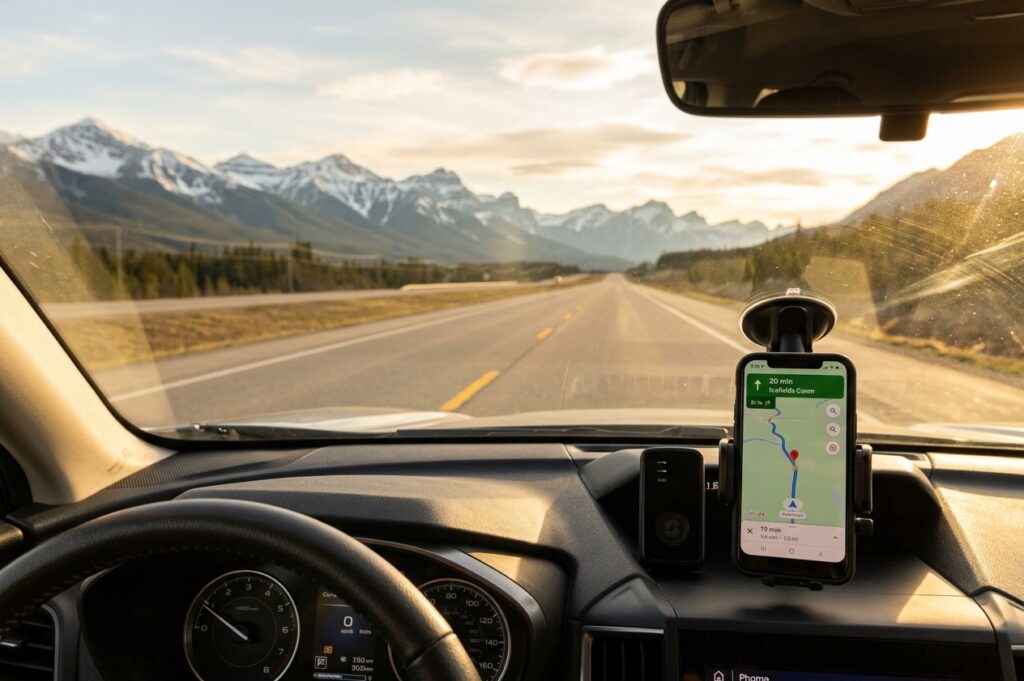
Open-sky accuracy vs real-world accuracy — the advertised figure is almost always measured under ideal conditions: open sky, no obstructions, strong satellite geometry. Real driving rarely offers that consistently. Satellite count and geometry — more visible satellites, spread across more of the sky rather than clustered together, produces a more precise fix; fewer or poorly distributed satellites widen the margin of error. Update frequency vs positional accuracy — these are different specs entirely. A tracker can report very frequently while still having a wide accuracy margin, or report infrequently with tight precision. Multi-constellation support — trackers that use GPS alongside GLONASS, Galileo, or BeiDou generally achieve better accuracy and faster fixes than GPS-only devices, since they have more satellites to draw from.
🏙️ What Actually Degrades Accuracy in Real Use
| Condition | Effect on Accuracy |
|---|---|
| Urban canyons (tall buildings) | Signal reflection and blockage can widen error to tens of meters |
| Parking garages / underground | GPS signal often lost entirely; device may show last known position |
| Dense tree cover | Moderate signal attenuation, generally a smaller effect than buildings |
| Tunnels and covered structures | Complete signal loss until the vehicle re-emerges |
🛠️ Getting the Most Accurate Readings
Look for multi-constellation support if precise accuracy matters for your use case — this single spec has more real-world impact than most of what’s advertised prominently. Understand that “last known position” isn’t live position — when a tracker loses signal in a tunnel or garage, it will typically show the last point it had before losing signal, not a real-time update; the position updates again once signal returns. Don’t over-index on decimal precision — the difference between 3-meter and 5-meter advertised accuracy rarely matters in practice; what matters more is how the device performs in genuinely difficult conditions like dense urban areas. Check assisted-GPS (A-GPS) support — this feature uses cellular network data to get a faster, often more reliable initial fix, particularly useful right after the vehicle starts moving.
🌆 Why Urban Areas Are the Real Test
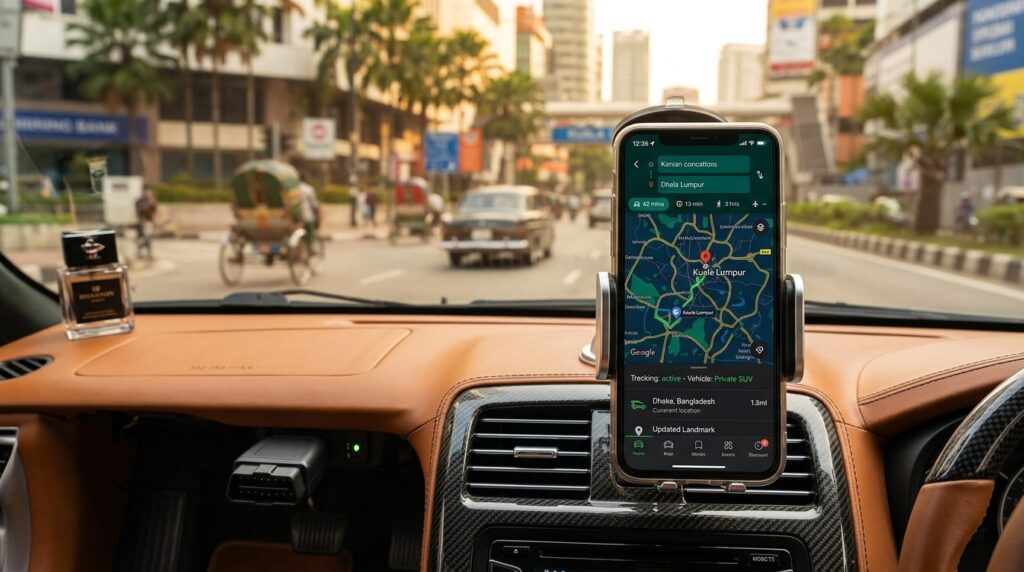
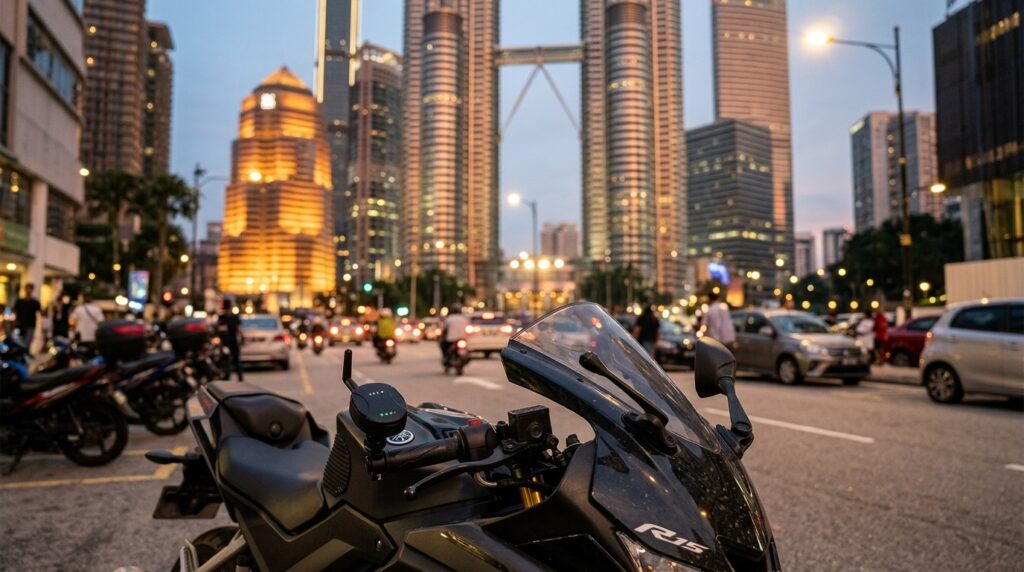
Most accuracy problems people actually notice happen in dense cities, not open highways — tall buildings reflect and block satellite signals in ways that can shift a shown position by a full city block in the worst cases. If you primarily park and drive in a dense urban environment, this matters more for your buying decision than the manufacturer’s best-case accuracy claim, which is almost always measured somewhere with a clear, open sky.
❓ Frequently Asked Questions
Why does my tracker sometimes show my car in the wrong spot?
Usually urban signal reflection, recent tunnel or garage exposure showing a stale “last known” position, or temporarily poor satellite geometry — not a malfunction. Accuracy typically self-corrects within moments of getting a clear signal again.
Does a more expensive tracker mean better accuracy?
Not automatically — check specifically for multi-constellation and A-GPS support rather than assuming price correlates with precision, since some budget trackers include these features and some premium ones don’t emphasize them.
Is GPS accuracy the same as update frequency?
No — these are separate specs. A tracker can update very often while still having a wider positional margin, or update less frequently with tighter precision. Check both separately.
🔗 Related Reading
Accuracy and battery settings often trade off against each other — see our guide on GPS Tracker Battery Life: What Actually Affects It. If you’re still deciding on hardware format, see Wired vs Portable GPS Trackers: Which Should You Choose?. And for the full list of things worth checking before you buy, see our GPS Tracker Buying Checklist. For background on how multi-constellation satellite systems improve positioning, see the GPS.gov overview of global navigation satellite systems.
✅ Final Thoughts
GPS tracker accuracy in the real world depends far more on satellite visibility, urban obstruction, and multi-constellation support than on the single advertised meter figure. Setting expectations around how your device performs in your actual environment — city, highway, garage — matters more than chasing the lowest number on a spec sheet.
📍 Find a Tracker Built for Real Conditions
Compare GPS trackers with multi-constellation and A-GPS support for genuinely reliable accuracy.