

Is Vehicle Tracking Legal in the UK? What Drivers Need to Know
UK Legal Guide
Is Vehicle Tracking Legal in the UK? What Drivers Need to Know
The short answer is usually yes — but who’s being tracked, and why, changes everything.
GPS tracking legality in the UK hinges on ownership and consent far more than on the technology itself. Understanding the basic legal boundaries keeps you compliant whether you’re protecting your own car or considering tracking a vehicle used by someone else.
⚖️ The Core Legal Principle
Tracking a vehicle you own outright is generally unrestricted under UK law — you can install a tracker on your own car without needing anyone’s permission. Tracking someone else’s vehicle without consent is where UK law draws a firm line, potentially engaging harassment law, the Protection from Harassment Act 1997, and UK GDPR’s rules on processing another person’s personal data without a lawful basis. Family vehicle tracking gets more nuanced — tracking a spouse’s or adult family member’s car without their knowledge, even if you’re a registered owner, can still raise consent issues depending on the circumstances.
🚚 Employer and Fleet Tracking
| Scenario | Legal Position |
|---|---|
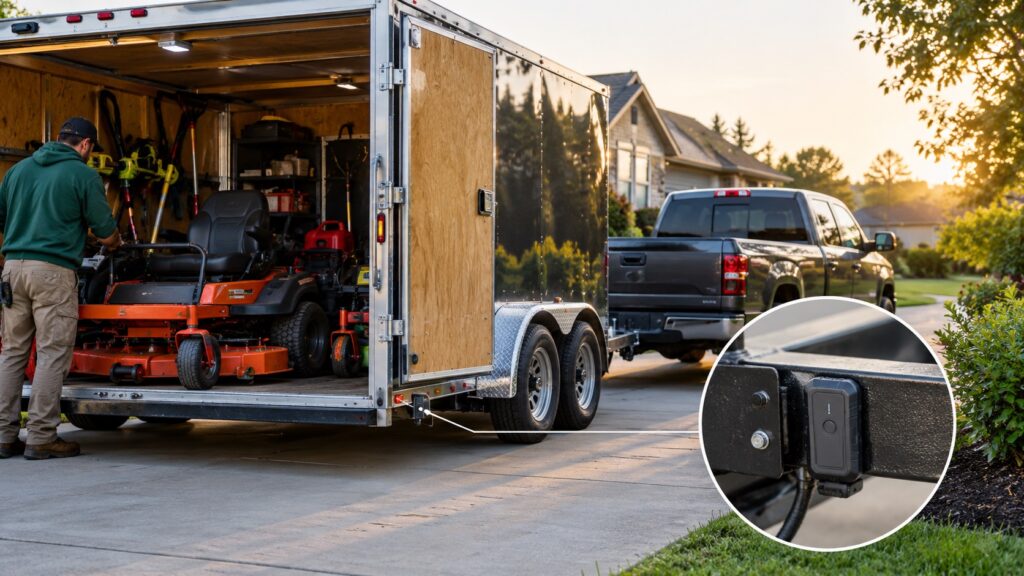
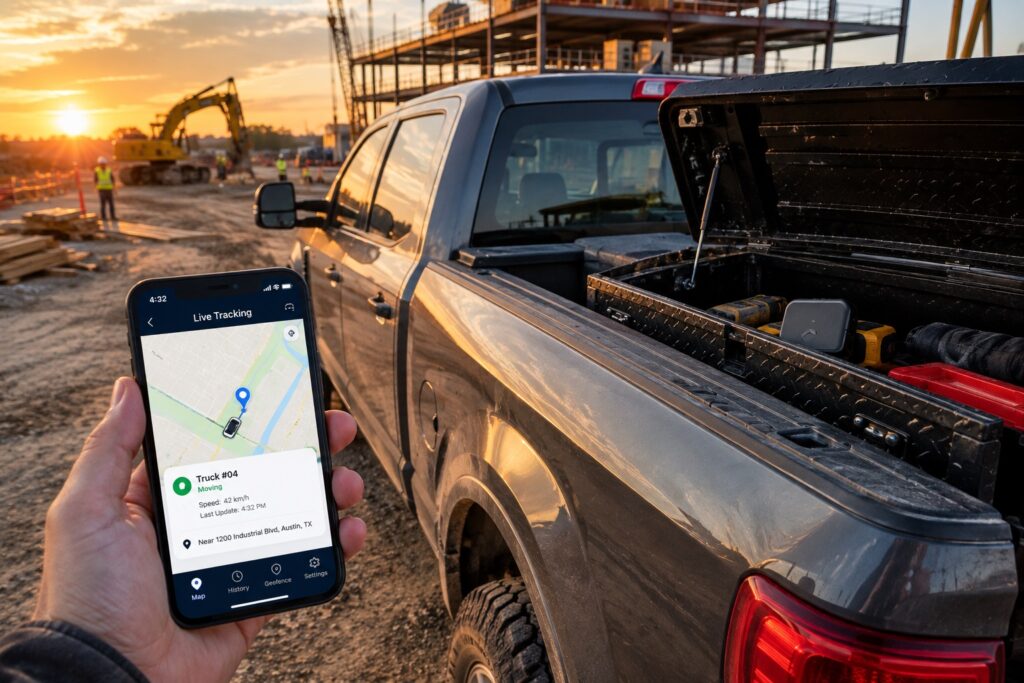
| Company-owned fleet vehicles | Permitted, with disclosure to employees generally expected under UK GDPR |
| Personal vehicle used for work | Requires clearer consent and a defined business purpose |
| Tracking during personal use hours | Higher scrutiny; best practice is to disclose and limit scope |
🛠️ Staying Compliant
Track vehicles you own freely, but be transparent with any regular driver of that vehicle, even if it’s technically yours. Disclose fleet tracking to employees in writing, since UK GDPR expects a clear, documented lawful basis for processing location data tied to identifiable people. Never install a tracker on a vehicle you don’t own or control without consent — this is the clearest line UK law draws, and crossing it carries real legal exposure. Check your tracker provider’s UK GDPR compliance, since you’re relying on them to handle any personal data lawfully too.
❓ Frequently Asked Questions
Can I track my own car without telling anyone?
Yes — tracking a vehicle you solely own and use doesn’t require disclosure to anyone else.
Is it legal to track my company car?
Generally yes if it’s employer-owned, provided the employer discloses the practice, which is standard UK workplace expectation under GDPR.
What if I suspect a tracker was installed on my car without my knowledge?
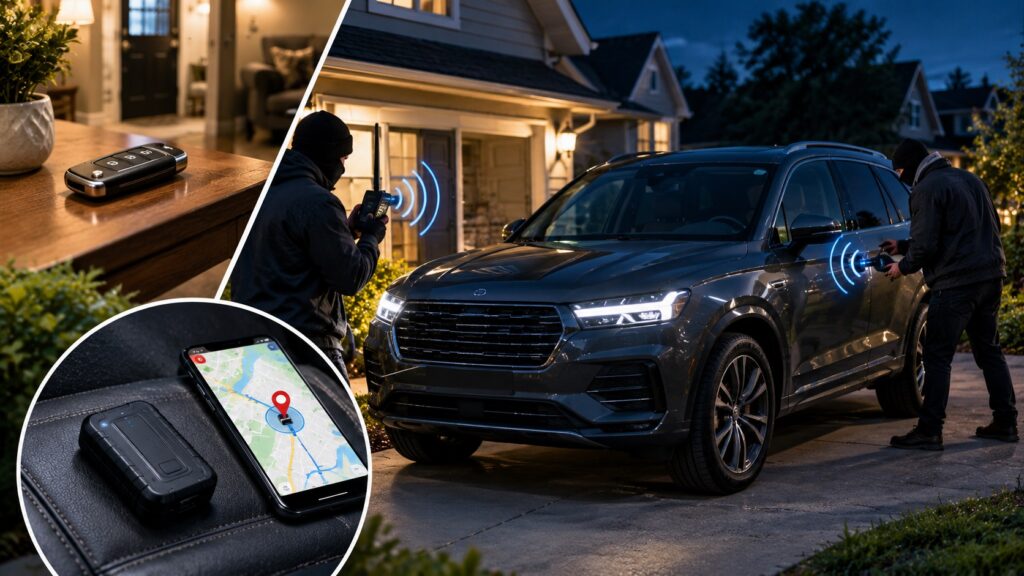
This is a serious matter — consider reporting it to the police, since unauthorized tracking of your vehicle without consent may constitute harassment or a data protection breach.
🔗 Related Reading
If you’re buying a tracker for the first time, our GPS Tracker Buying Checklist covers what to check before committing. For the fuller UK buying picture, see GPS Tracker for Cars in the UK: Complete Buying Guide. And for how your data should be protected more generally, see GPS Tracker Data Privacy & Security. For the official UK data protection guidance referenced above, see the Information Commissioner’s Office (ICO).
If you’re worried about a tracker you didn’t install, see Can Someone Track My Car Without Me Knowing? How to Check.
✅ Final Thoughts
UK vehicle tracking law is straightforward at its core: track what you own, disclose fleet tracking to employees, and never track someone else’s vehicle without consent. The technology is legal and common — it’s the how and who that determines compliance.
🔒 Track Your Own Vehicle with Confidence
Find a UK GDPR-compliant GPS tracker built for personal or fleet use.