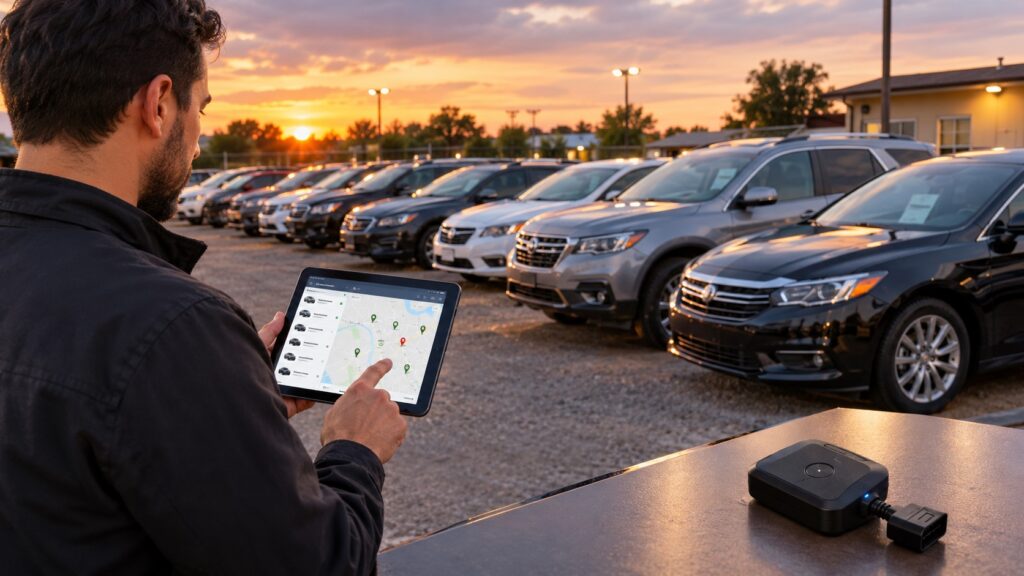


GPS Trackers for Snow Plow Businesses in the USA: Prove Your Routes and Protect Your Trucks
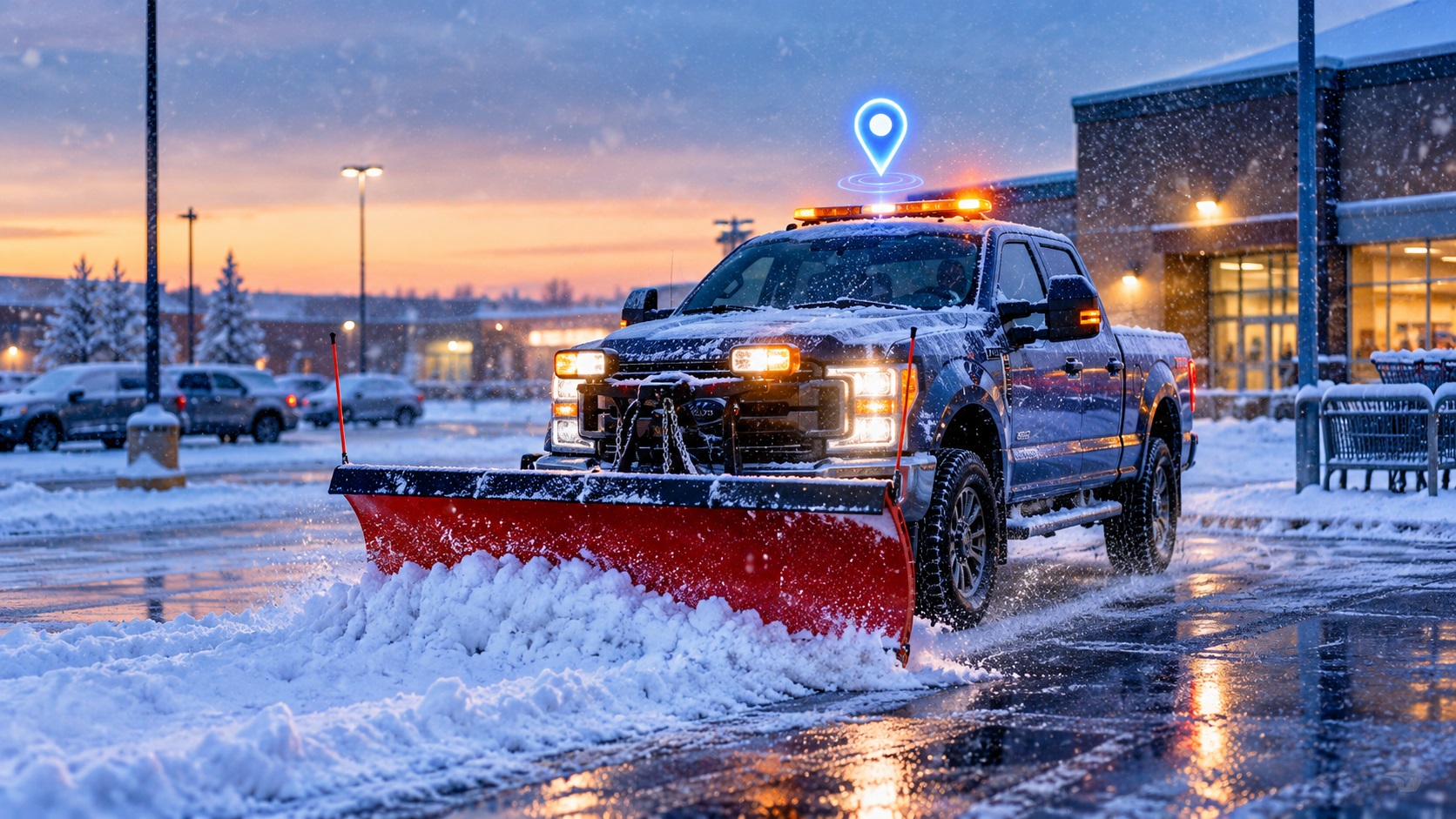
2026 USA Winter Business Guide
GPS Trackers for Snow Plow Businesses in the USA: Prove Your Routes and Protect Your Trucks
Snow season is short and demanding. Here is how tracking helps you document service, run crews efficiently and settle disputes fast.
Snow plowing is a business of timing. Clients expect clear lots and driveways before the morning rush, and disputes can arise over whether and when a site was serviced. A GPS tracker for snow plow trucks records where each vehicle went, when it arrived and how long it stayed, which protects you from false complaints and helps you run crews more efficiently.
❄️ Why Plow Operators Use Tracking
Proof of service — timestamped stops show a client that their lot was cleared. Dispute and liability protection — records can help if there is a slip-and-fall claim or a complaint about missed work. Better dispatching — you can see which truck is closest to the next job during a storm. Equipment security — plows, spreaders and trucks are valuable and often parked off-site overnight. Fuel and hours control — idle time and unauthorized trips add up quickly in a busy season.
📍 Features to Look For
| Feature | Why It Matters for Plowing |
|---|---|
| Stop and arrival history | Documents when each site was reached and how long you stayed |
| Geofences for client sites | Logs entry and exit automatically at each lot |
| Cold-weather durability | Keeps working in freezing temperatures and road salt |
| Hardwired power | Avoids battery loss from cold weather and long idling |
| Exportable reports | Lets you send a service record to a client or insurer |
🛠️ Setting It Up Step by Step
First, choose a hardwired tracker rated for cold weather, since batteries lose capacity in freezing temperatures. Next, install it out of sight where road salt, slush and plow vibration will not reach it. Then, create geofences around each client’s property so arrivals and departures log automatically. After that, set alerts for after-hours movement, long idling and speeding. Finally, run a test storm by driving a route and checking that your reports show clean, accurate records.
⚠️ A Note on Privacy and Crews
Tell your drivers that vehicles are tracked and explain that the goal is proof of work and safety, not surveillance. Clear communication builds trust, and keeping your policy written down protects you if questions arise.
❓ Frequently Asked Questions
Will a tracker work in heavy snow?
GPS signals are not blocked by snow, but heavy cloud and tall buildings can reduce accuracy slightly. Cellular coverage matters more, so check it for your service area.
Can I use a tracker on a plow attachment?
A weather-resistant, battery-powered unit can be fitted to equipment such as spreaders, but the main tracker should sit in the truck cab or dash.
Is a tracker worth it for a one-truck operator?
Yes, if you have commercial clients. The service record alone can protect you from a single costly dispute.
🔗 Related Reading
Compare power options in Wired vs Portable GPS Trackers and learn what affects runtime in GPS Tracker Battery Life. See GPS Tracker for Small Business Fleets and GPS Trackers for Landscaping Businesses, since many contractors run both. Protect work trucks with GPS Tracker for Pickup Trucks and use the GPS Tracker Buying Checklist. For winter driving safety guidance, visit the Federal Highway Administration.
✅ Final Thoughts
A GPS tracker for snow plow trucks protects you with proof of service, helps you dispatch faster and secures valuable equipment. Choose a cold-rated hardwired unit, set client geofences and keep your driver policy clear.
❄️ Get Ready for This Winter
Explore cold-weather GPS trackers with geofence logs and service reports for US plow businesses.