


Best GPS Tracker for Canadian Road Trips and Remote Areas
Canada Road Trip Guide
Best GPS Tracker for Canadian Road Trips and Remote Areas
Cross-country and remote-region driving needs different priorities than everyday city commuting.
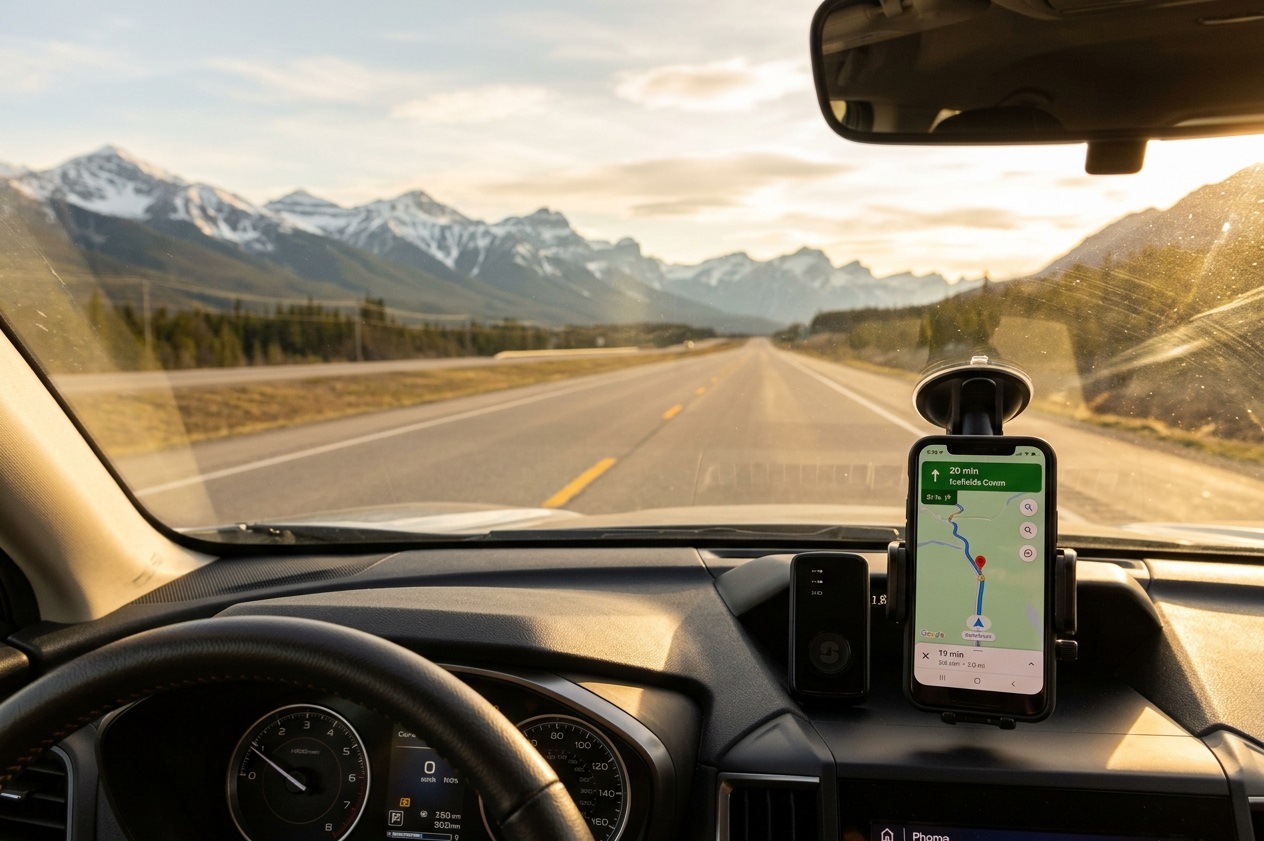
Canada’s sheer geography makes GPS tracking for road trips and remote areas a genuinely different problem than tracking a daily city commuter car. Long stretches without cell coverage, extreme distances between towns, and unpredictable weather all shape what actually matters in a tracker for this use case.
🗺️ Why Remote Canadian Driving Needs a Different Approach
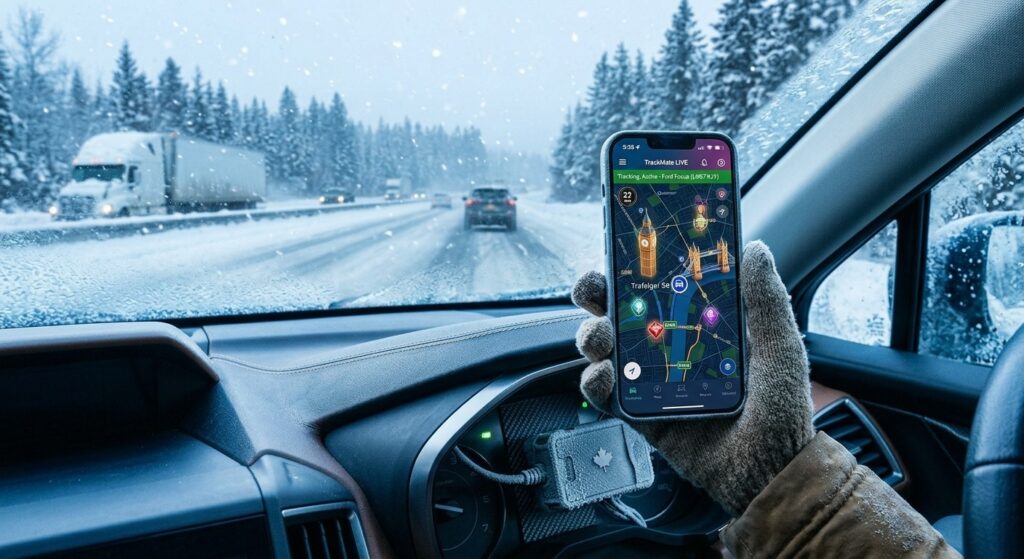
Cellular dead zones are common — vast stretches of highway across the Prairies, Northern Ontario, and much of the North have limited or no cell coverage, which standard trackers rely on entirely. Distances between help are enormous — a breakdown or emergency far from a town means knowing your last confirmed location matters more than it would on a short urban trip. Weather changes fast and matters more — a road trip tracker benefits from cold-rated hardware given how quickly conditions can shift across provinces. Trip duration is longer — multi-day or multi-week road trips mean battery life and reporting settings need to be planned differently than daily-use tracking.
🛰️ What to Actually Look For
| Factor | Why It Matters for Road Trips |
|---|---|
| Satellite backup (beyond cellular) | Some trackers offer satellite-based reporting for true dead-zone coverage, valuable on remote routes |
| Cold-rated hardware | Sudden weather shifts across provinces make this a real, not theoretical, concern |
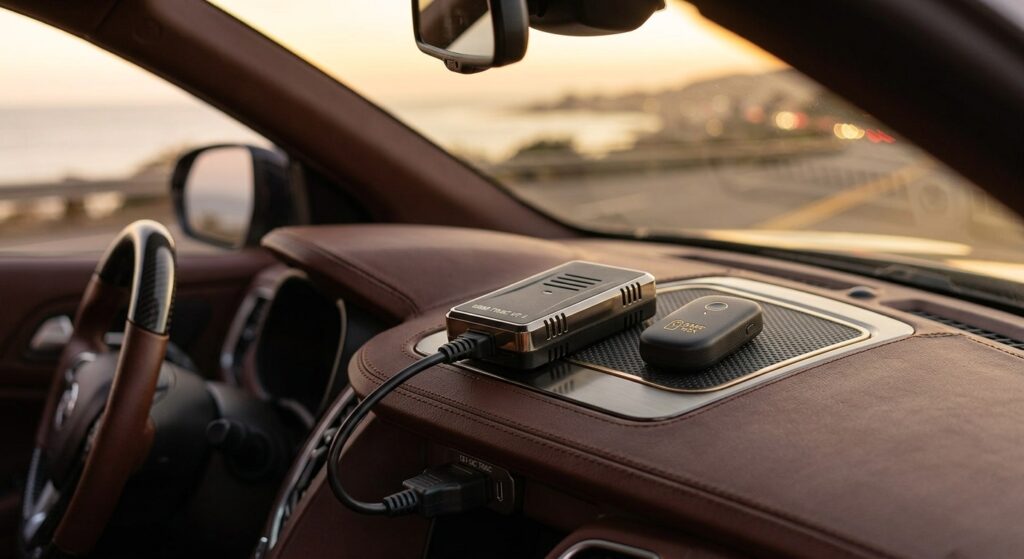
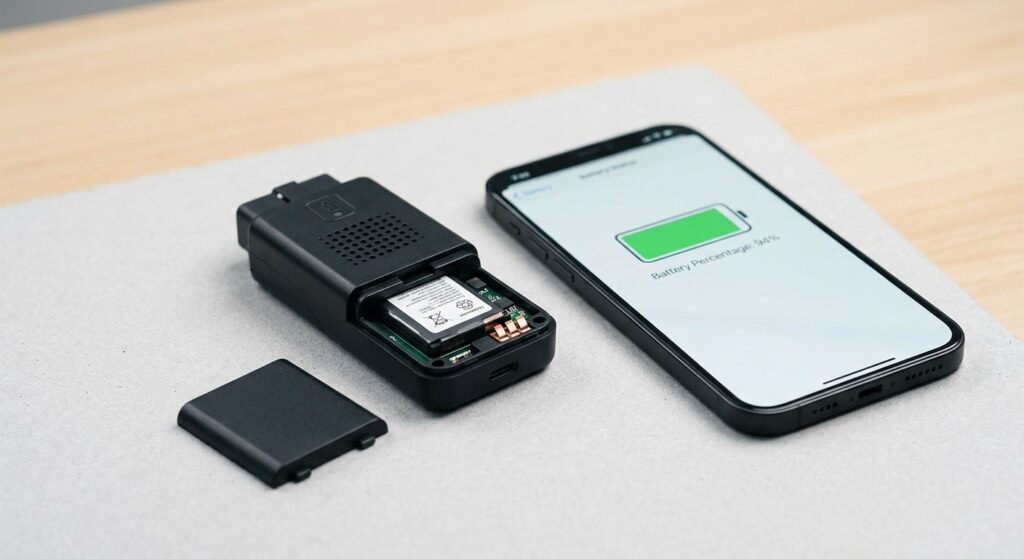
| Extended battery or wired power | Multi-day trips benefit from not worrying about charging on the road |
| Shareable tracking link | Lets family back home follow your route without needing full app access |
🛠️ Planning Your Tracking Setup Before You Go
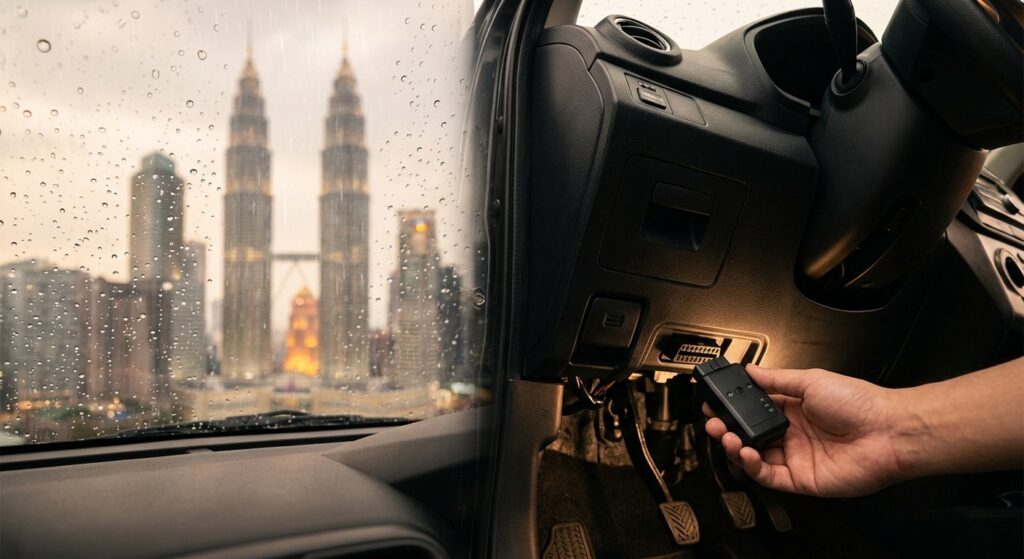
Check your route against known coverage gaps before you leave, and consider a satellite-capable device if your route crosses genuinely remote stretches like Northern Ontario or the far North. Use a wired install if it’s your regular vehicle, so you’re not managing battery life on top of a long trip. Share your tracking link with someone at home, giving a trusted contact visibility into your route without needing to actively monitor it. Test the device before departure, confirming it reports correctly and that you know how to check status, rather than discovering an issue once you’re already in a coverage gap.
❓ Frequently Asked Questions
Will my tracker work in areas with no cell signal?
Standard cellular trackers won’t report in true dead zones — only satellite-capable devices maintain reporting outside cellular coverage, which matters if your route includes remote stretches.
Does cold weather really affect trackers this much on a road trip?
Yes — battery capacity drops meaningfully in freezing conditions, which is why cold-rated hardware matters more for a Canadian road trip than for typical city driving.
Can family members track my trip without a full account?
Many providers offer a shareable read-only link specifically for this — check for the feature before you rely on it during your trip.
🔗 Related Reading
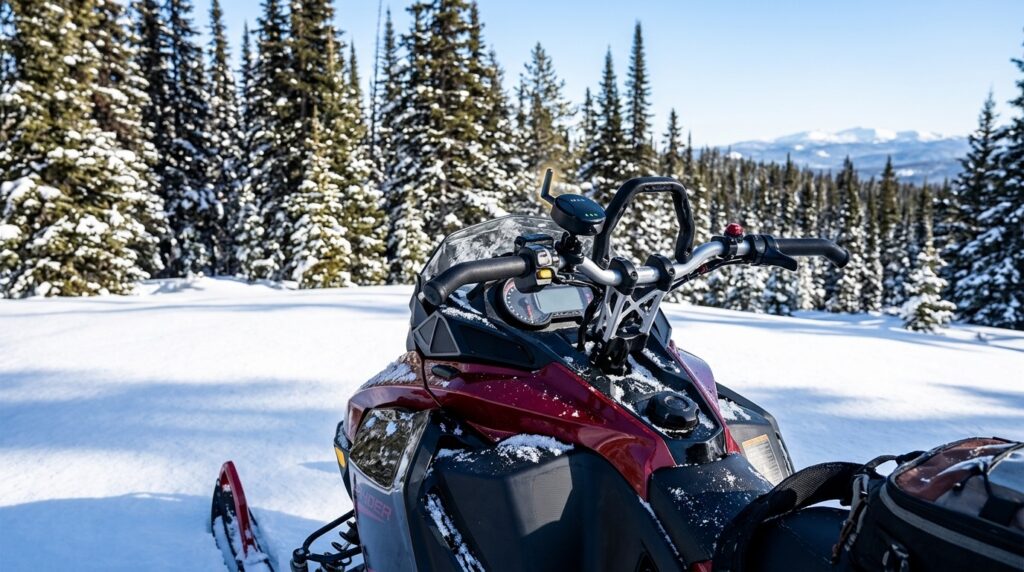
For the fuller Canadian buying picture, see GPS Tracker for Cars in Canada: Cold-Weather Buying Guide. If you’re also tracking a snowmobile or ATV, see GPS Tracker for Snowmobiles and ATVs in Canada. And for general battery planning on long trips, see GPS Tracker Battery Life: What Actually Affects It. For official road trip and remote travel safety guidance, see Canada’s road travel resources.
✅ Final Thoughts
The best GPS tracker for Canadian road trips and remote areas prioritizes coverage beyond standard cellular, cold-weather reliability, and battery life built for multi-day use — none of which matter as much for everyday city driving, but all of which matter a great deal once you’re hours from the nearest town.
🛣️ Get Ready for the Open Road
Find a GPS tracker built for genuinely remote Canadian routes.


One thought on “Best GPS Tracker for Canadian Road Trips and Remote Areas”