

Do You Need a GPS Tracker for Your Tesla or Electric Vehicle? What Built-In Tracking Misses
2026 USA EV Owner’s Guide
Do You Need a GPS Tracker for Your Tesla or Electric Vehicle? What Built-In Tracking Misses
Your EV already knows where it is. The real question is whether you can count on that information when it matters most.
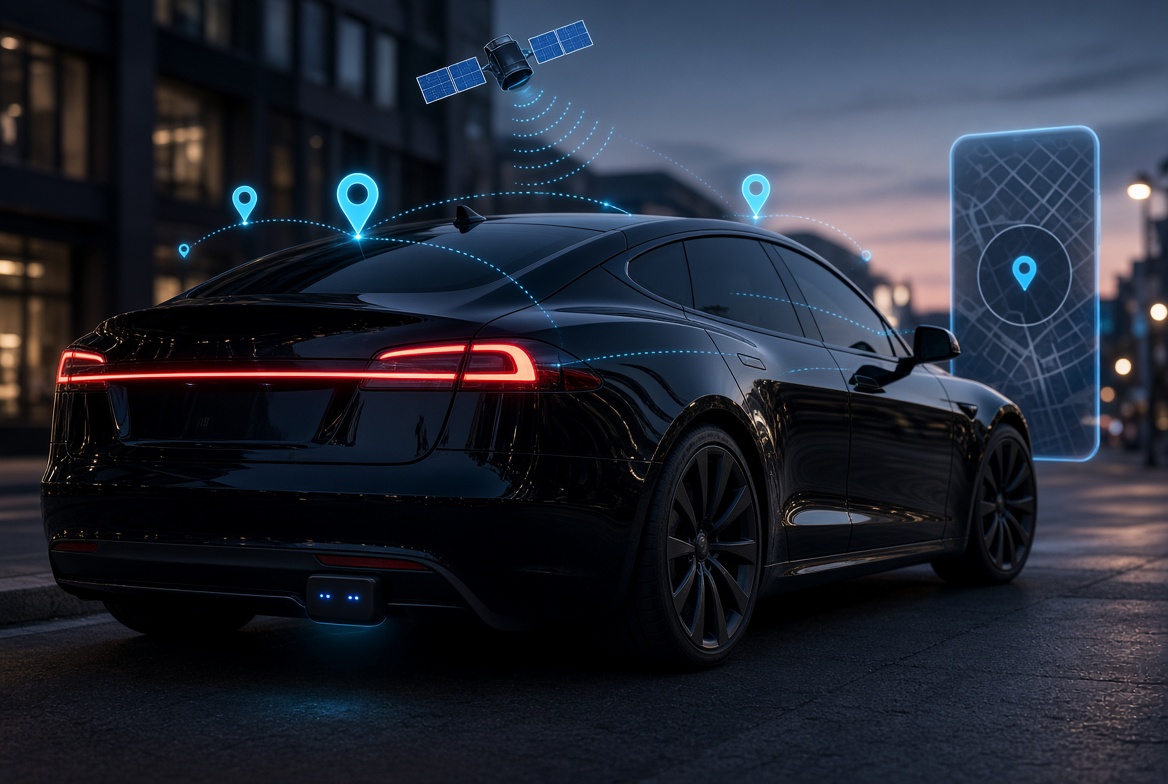
Electric vehicles, and Teslas in particular, come with built-in location features and a smartphone app, so many owners assume a separate device is redundant. Sometimes that is true. Even so, a GPS tracker for a Tesla or EV can fill gaps that built-in tracking leaves open, and understanding those gaps helps you decide whether the extra layer is worth it.
⚡ What Built-In EV Tracking Does Well
Live location in the manufacturer’s app — most modern EVs let you see where the car is from your phone while it has a cellular connection. Integrated theft deterrents — features such as PIN-to-drive, camera-based monitoring modes, and remote alerts add real protection against opportunistic theft. No extra hardware or wiring — everything already comes with the car, which keeps things simple for owners who just want the basics.
🔍 Where Built-In Tracking Can Fall Short
| Gap | Why It Matters |
|---|---|
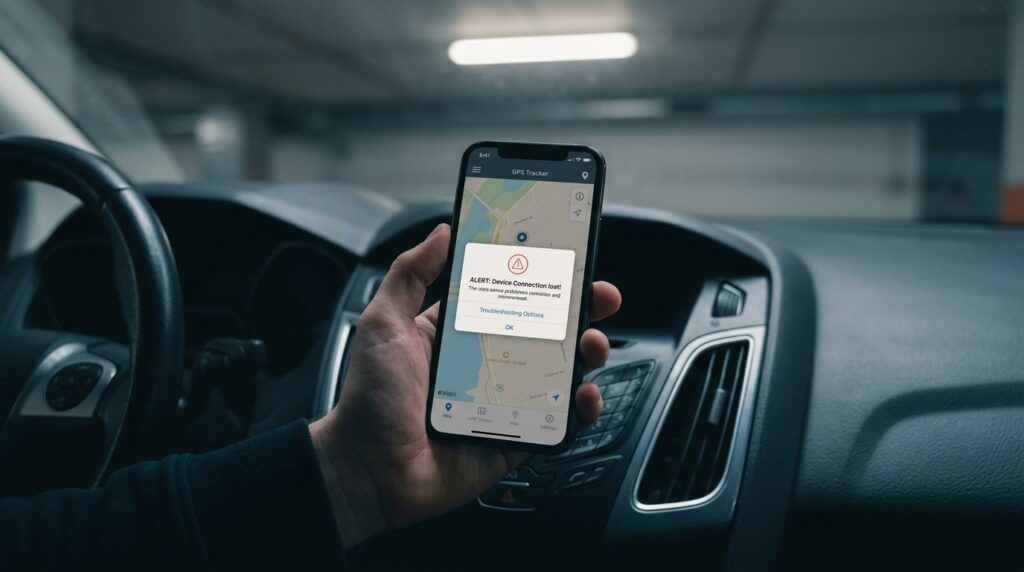
| Depends on the car’s own connectivity | If a thief disables the car’s cellular connection or the service lapses, the app may stop updating |
| One system to defeat | A single built-in system is a single point of failure, while an independent tracker keeps working separately |
| Subscription changes | Connected features can depend on an active plan, and terms can change over time |
| Limited control over data and alerts | A separate tracker lets you set your own geofences, alert styles, and sharing rules |
🔋 EV-Specific Considerations
Power draw matters more — an EV’s 12V battery supports accessories, and a poorly chosen tracker can drain it over long parking periods, so look for a low standby draw. Choose a plug-in or battery model carefully — hardwiring into an EV can be more complicated than in a gas car, so many owners prefer a simple plug-in or self-powered device. Charging locations are predictable — a car sitting at home or at a public charger for hours is a stationary target, so a geofence around your charging spot adds a useful alert. Warranty and manufacturer rules — check your warranty terms before installing anything that connects to the vehicle’s electrical system.
🛠️ Setting Up an Independent Tracker
First, choose a low-power device built for long standby life, so it does not interfere with your car’s battery. Next, hide it well, in a spot that is not obvious from a quick inspection. Then set a geofence around home, work, and your regular charging locations. After that, test the connection by moving the car a short distance and confirming the alert arrives on your phone. Finally, keep the subscription current, since a lapsed plan means the tracker stops reporting.
⚖️ Is It Worth It for You?
An extra tracker makes the most sense if you park on the street, live in a high-theft area, own a higher-value EV, or simply want a backup that does not depend on the manufacturer’s system. If you park in a secure garage and trust the built-in features, you may reasonably decide the factory tools are enough. Either way, the choice is yours to weigh against your own risk and budget.
❓ Frequently Asked Questions
Can a third-party tracker void my EV’s warranty?
It depends on the manufacturer and how the device connects. Plug-in or self-powered units that do not alter the car’s wiring are generally less of a concern, but check your warranty terms to be sure.
Will a tracker drain my EV’s battery?
A well-chosen low-power tracker has a very small draw. Choose a device designed for long standby and avoid anything that reports constantly in real time unless you need it.
If my Tesla is stolen, will the built-in tracking be enough?
It may help, but it depends on the car staying connected. An independent tracker gives you a second source of location data if the first one goes quiet.
🔗 Related Reading
If you are weighing a phone-based option, read GPS Tracker vs Phone Tracking Apps, or compare GPS Tracker vs Apple AirTag for Your Car. For power and standby planning, see GPS Tracker Battery Life: What Actually Affects It, and for format choices, Wired vs Portable GPS Trackers. If your car is ever stolen, follow My Car Was Stolen: What to Do Right Now. For general vehicle safety and recall information, visit NHTSA.
✅ Final Thoughts
Built-in tracking is a strong starting point for any EV, but it is still a single system. A GPS tracker for a Tesla or electric vehicle gives you an independent backup, which is most valuable if you park outdoors or own a higher-value car. Choose a low-power device, hide it well, and keep your subscription active so it is there when you need it.
⚡ Add an Independent Backup to Your EV
Explore low-power GPS trackers built for electric vehicles.