

How to Install a GPS Tracker in Your Car 2026 – Step-by-Step Guide
How to Install a GPS Tracker in Your Car — Step-by-Step 2026
By MototechGPS Team · Updated April 2026 · 9 min read
Installing a GPS tracker in your car sounds complicated. It is not. Depending on the type of tracker you choose, installation can take anywhere from 30 seconds (OBD plug-in) to 2 minutes (magnetic hidden) to about 30 minutes (hardwired). This step-by-step guide covers all three methods.
3 Ways to Install a GPS Tracker
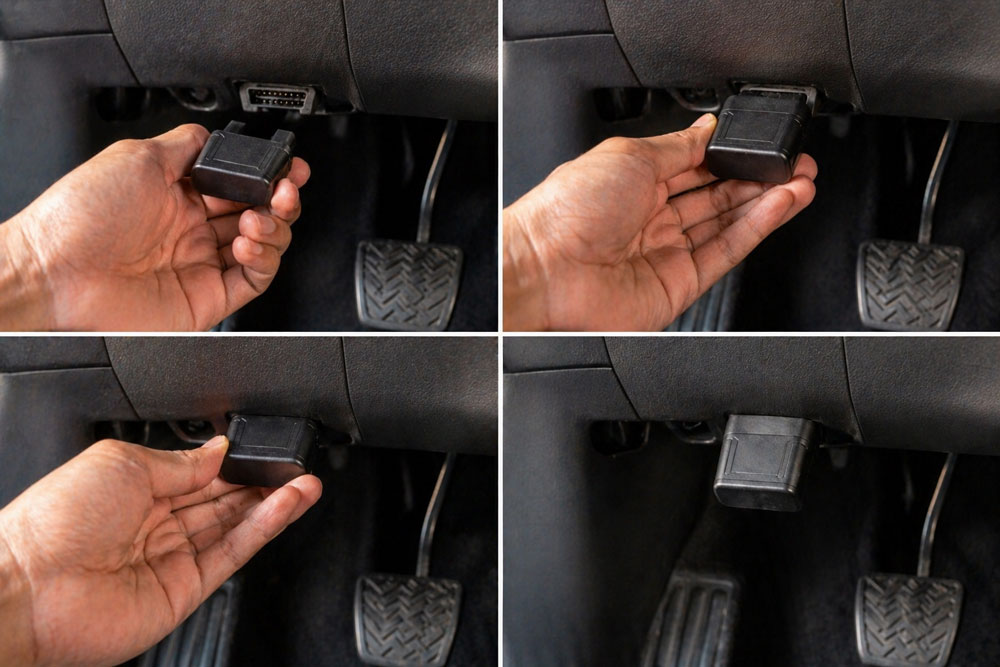
OBD-II Plug-In
Plug into the diagnostic port. Zero tools. 30 seconds. Best overall method. Example: Bouncie.
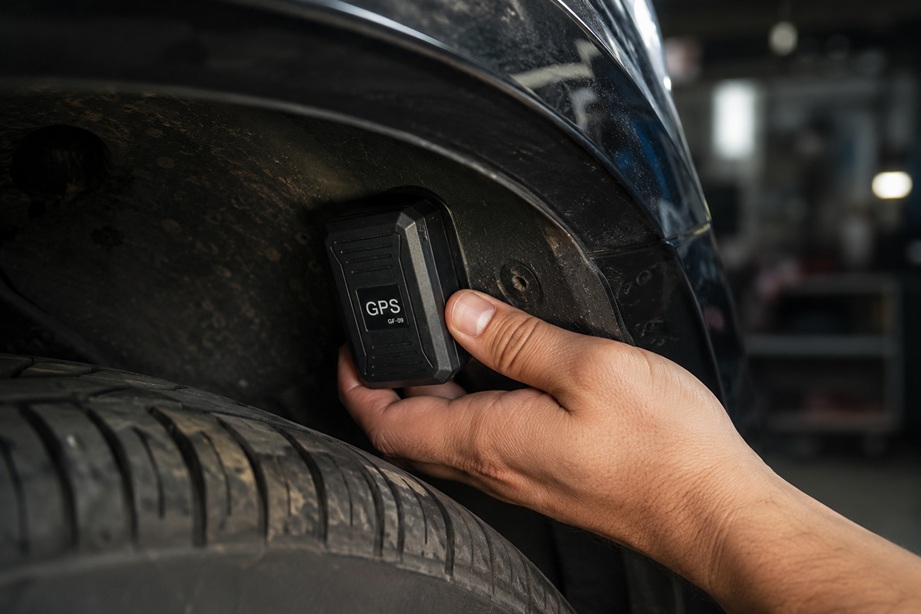
Magnetic Hidden
Attach under the car with a magnet. No tools. 2 minutes. Best for hidden tracking. Example: LandAirSea 54.
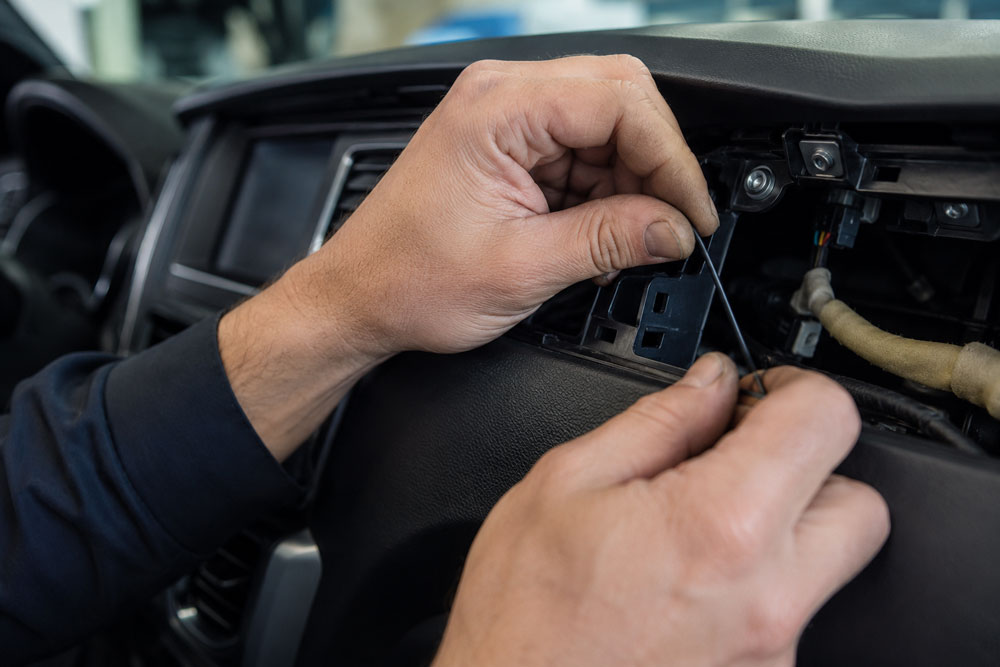
Hardwired
Connect to car's electrical system. Basic tools needed. 20–30 minutes. Permanent and tamper-proof.
Method 1 — OBD-II Plug-In Installation (Bouncie)
This is the easiest installation of any GPS tracker — no tools, no wiring, no professional help needed. The entire process takes under 5 minutes.
Find your OBD-II port
The OBD-II port is a 16-pin trapezoidal connector located under your dashboard on the driver's side — within 2 feet of the steering wheel. Look beneath the dashboard near your left knee. It is usually in plain sight. If you cannot find it, check your vehicle's owner manual under "OBD-II port" or "diagnostic port."
Download the Bouncie app
Download the Bouncie app from the Apple App Store or Google Play Store before plugging in the device. Create your account and enter your vehicle information (make, model, year, VIN, current mileage).
Plug in the device
Insert the Bouncie device into the OBD-II port and press firmly until it clicks into place. A green LED light will begin blinking to confirm it is receiving power and connecting to the cellular network. The device has a pre-installed SIM card — no setup needed.
Take a calibration drive
Drive your vehicle for at least 10 minutes. This allows the device to calibrate with your vehicle's specific OBD data and connect to the GPS satellite network. After this first drive, the app will show your vehicle's location and start recording trip data in real time.
Method 2 — Magnetic Hidden Tracker Installation
Magnetic trackers like LandAirSea 54 require zero installation tools and can be placed anywhere with a metal surface on your vehicle.
Choose your hiding spot
Best locations: under the chassis away from exhaust heat, inside the rear bumper, in a wheel well, or under the trunk floor. Avoid placing near the catalytic converter (extreme heat) or in completely enclosed metal cavities that block GPS signal. The tracker needs some sky visibility for the best GPS accuracy.
Charge the tracker fully first
Before hiding the tracker, ensure it is fully charged. A full charge on LandAirSea 54 takes about 2 hours and provides 2–4 weeks of tracking. Set a calendar reminder to recharge it on schedule.
Activate via app and attach
Download the SilverCloud app, create an account, and activate your device following the app instructions. Then simply press the tracker firmly against any metal surface on the vehicle — the magnet will lock it in place instantly.
Test the location in the app
Open the app and confirm your vehicle's location is showing correctly. Drive around the block to verify the tracker is updating position. If the signal seems weak, try repositioning the tracker to a location with better sky exposure.
Method 3 — Hardwired GPS Tracker Installation
Hardwired trackers connect permanently to your vehicle's 12V power supply, making them the most tamper-proof option. Difficulty: Medium. Time: 20–30 minutes. Tools needed: wire strippers, electrical tape, basic screwdriver.
Choose your installation location
Common locations: under the dashboard (close to the fuse box), behind the rear seat, or inside the trunk area. The location needs access to a constant 12V power wire and a ground wire, plus enough sky visibility for GPS signal.
Identify power and ground wires
Use a multimeter or test light to find a constant 12V power wire (stays powered even when ignition is off) and a ground wire near your chosen location. Your vehicle's wiring diagram (available free on manufacturer websites) will help identify correct wires. Red wire typically means positive/power; black typically means ground.
Connect and secure the device
Strip a small section of insulation from both the power and ground wires. Connect the tracker's red wire to the vehicle's power wire and the black wire to the ground wire using wire connectors or solder. Wrap all connections in electrical tape. Secure the tracker device with zip ties or double-sided tape.
Test and confirm tracking
Turn the ignition on and off several times to confirm the tracker powers on and off correctly. Check the app to confirm location is showing. Take a short drive to verify real-time tracking is working.
30-second OBD plug-in. No tools. No wiring. Crash detection + tracking for $8–$9/month.
→ Get Bouncie — Plug In and TrackFrequently Asked Questions
How long does it take to install a GPS tracker in a car?
OBD plug-in trackers like Bouncie take under 5 minutes from unboxing to active tracking — literally plug in, download the app, and drive. Magnetic trackers take 2–5 minutes including choosing a hiding spot. Hardwired trackers take 20–30 minutes and require basic wiring knowledge. For most people, the OBD plug-in method is the fastest, easiest, and most reliable option.
Where is the OBD-II port in my car?
In virtually all US vehicles manufactured after 1996, the OBD-II port is located under the dashboard on the driver's side, within 2 feet of the steering wheel. It is a 16-pin trapezoidal connector — wider at the top than the bottom. If you cannot find it by sight, check your vehicle's owner manual under "OBD-II" or search "[your car make and model] OBD port location."
Can I install a GPS tracker myself or do I need a mechanic?
OBD plug-in and magnetic trackers require zero technical knowledge — anyone can install them in minutes. Hardwired trackers require basic comfort with vehicle wiring and a multimeter. If you are not confident with wiring, any auto shop can install a hardwired tracker in under an hour for a small labor fee, or simply choose an OBD or magnetic tracker instead.