

GPS Fleet Tracking for Businesses in Dubai, Doha & Riyadh
GPS Fleet Tracking for Businesses in Dubai, Doha & Riyadh
How logistics, delivery and construction companies across the Gulf use fleet tracking to cut costs, protect vehicles, and run tighter operations.
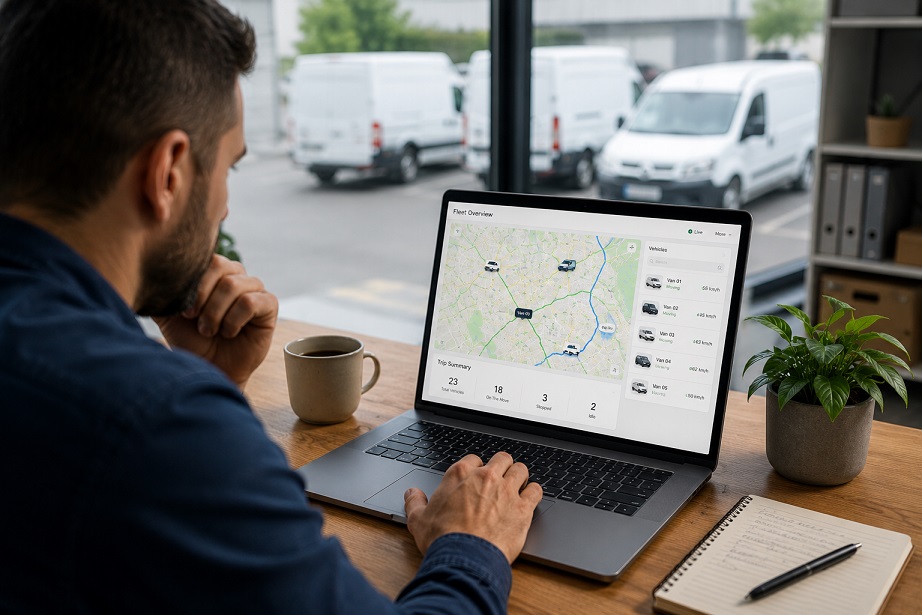
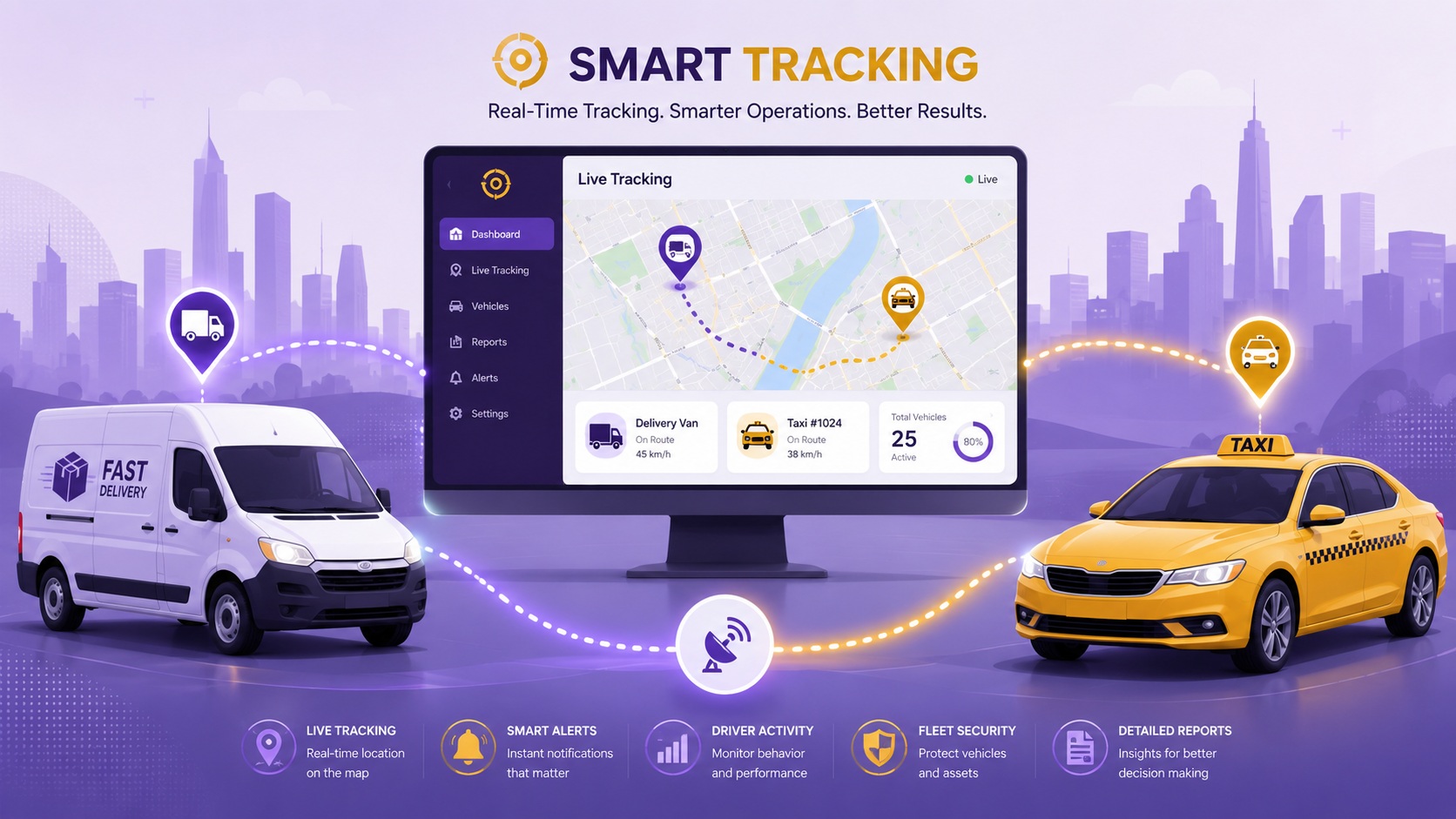
Fuel prices, driver accountability, and customer expectations for fast delivery have pushed fleet-owning businesses across the Gulf to adopt GPS tracking almost as a standard operating requirement. If you manage even a handful of vehicles in Dubai, Doha, or Riyadh, this guide breaks down exactly what fleet tracking does, what it costs, and how to choose a system that fits your operation.
📊 Why Fleet Tracking Pays for Itself
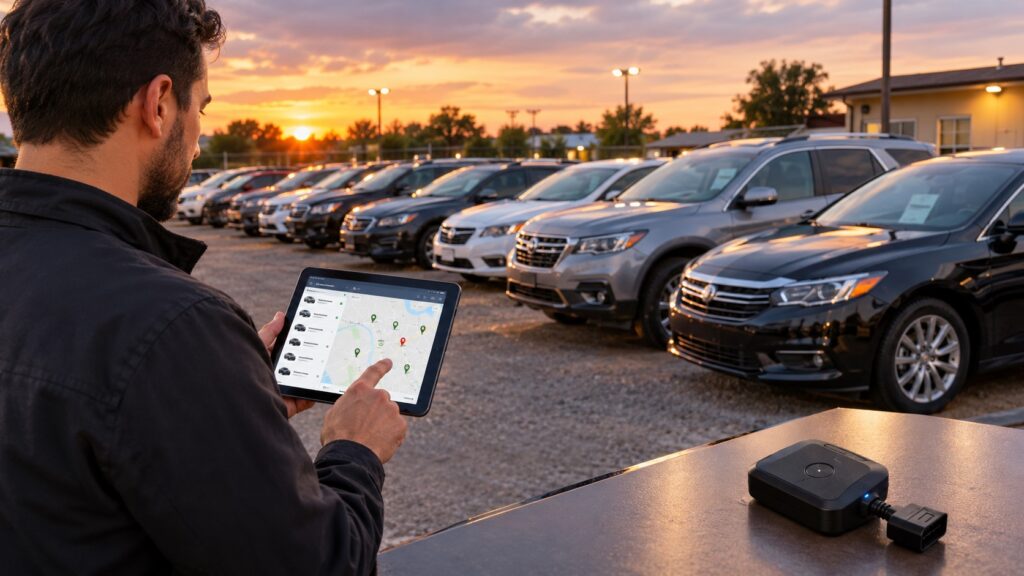
Businesses running delivery vans, taxis, or construction vehicles typically see measurable returns within months of installing a fleet tracking system, driven by three factors: reduced fuel waste, fewer unauthorized vehicle uses, and faster dispatch decisions.
Typical fuel savings reported by fleets after adopting route optimization and idle-time monitoring.
Faster average response time to customer delivery queries with live tracking dashboards.
Faster vehicle recovery in theft cases when engine immobilization and alerts are enabled.
🏢 Who Actually Needs Fleet Tracking?
Delivery & Logistics Companies
Track delivery windows, optimize routes across Dubai, Doha and Riyadh traffic, and confirm proof of arrival.
Ride-Hailing & Taxi Fleets
Monitor driver speed, idle time, and unauthorized detours across a large vehicle pool.
Construction & Equipment Fleets
Track heavy vehicles and equipment across multiple job sites, reducing unauthorized after-hours use.
Corporate Vehicle Pools
Manage shared company cars with usage logs, geofencing, and fuel-level reporting.
🧩 Core Features a Fleet System Should Have
💰 What Does Fleet Tracking Typically Cost?
| Component | What to Expect |
|---|---|
| Device Hardware | One-time cost per vehicle; wired units usually cost more than plug-and-play units. |
| Installation | Wired trackers typically need professional installation; plug-and-play units are self-installed. |
| Monthly Subscription | Covers SIM/data connectivity, server hosting, and dashboard access — usually billed per vehicle per month. |
| Add-On Sensors | Fuel sensors, temperature sensors (for cold-chain delivery), or driver ID modules add extra cost per vehicle. |
🛠️ How to Roll Out Fleet Tracking Step by Step
⚖️ A Note on Driver Privacy
Across Qatar, the UAE, and Saudi Arabia, businesses generally have the right to track company-owned vehicles used for work purposes. Best practice — and often a legal expectation — is to inform drivers in writing that tracking is in place and explain what data is collected and why. Transparent policies reduce disputes and keep tracking programs focused on operational improvement rather than surveillance.
✅ Final Thoughts
Fleet GPS tracking has shifted from a competitive advantage to a baseline expectation for logistics, delivery, and construction businesses across the Gulf. The businesses that get the most value treat it as an operational tool — reviewing the data regularly, coaching drivers with it, and using fuel and route reports to make real decisions — rather than installing it once and forgetting about it. Start with a small pilot, measure the fuel and time savings, then scale to your full fleet with confidence.