

Best GPS Fleet Tracking for Small Business — What Actually Pays Off
Best GPS Fleet Tracking for Small Business: What Actually Pays Off
Fuel costs, idle time, and unauthorized routes quietly drain small fleet budgets every month. Here's how to choose fleet tracking that pays for itself fast.
If you're running even 3–5 vehicles for a small business — deliveries, service calls, contracting work — you're likely losing money in ways that don't show up until you actually measure them: unnecessary idling, longer-than-needed routes, unauthorized personal use, or simply not knowing where a vehicle is when a customer calls asking "how far out is the driver?"
GPS fleet tracking solves this directly, and for small fleets it typically pays for itself within a few months through fuel savings alone. This guide covers what to actually look for, what it costs, and how to avoid overpaying for enterprise features you don't need.
What Small Business Fleet Tracking Actually Solves
- Fuel waste — excessive idling and inefficient routing are often the single biggest cost leak in a small fleet
- Unauthorized vehicle use — knowing if a company vehicle is being used outside of work hours or approved areas
- Customer ETAs — giving accurate arrival times instead of guessing, which matters a lot for service-based businesses
- Driver accountability — speeding, harsh braking, and excessive stops are all visible instead of anecdotal
- Vehicle recovery — real-time location if a vehicle is stolen, which matters more for high-value work trucks and equipment trailers
What to Look for in Small Fleet GPS Tracking
1. Per-Vehicle Pricing That Scales
Many enterprise fleet platforms are priced and built for 50+ vehicles, with features and cost structures that don't make sense for a 3–10 vehicle operation. Look specifically for providers offering simple per-vehicle monthly pricing without a high vehicle minimum.
2. Real-Time Location + Route History
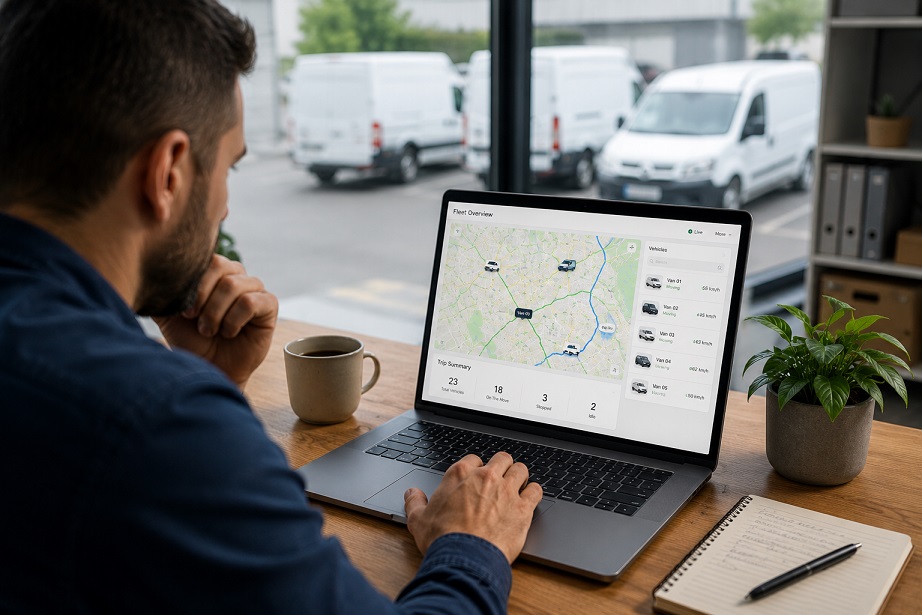
You want both: real-time location for immediate questions ("where's the truck right now?") and historical route playback for reviewing a specific day or resolving a customer dispute about arrival time.
3. Idle Time & Fuel Reporting
| Feature | Why It Matters for Small Fleets |
|---|---|
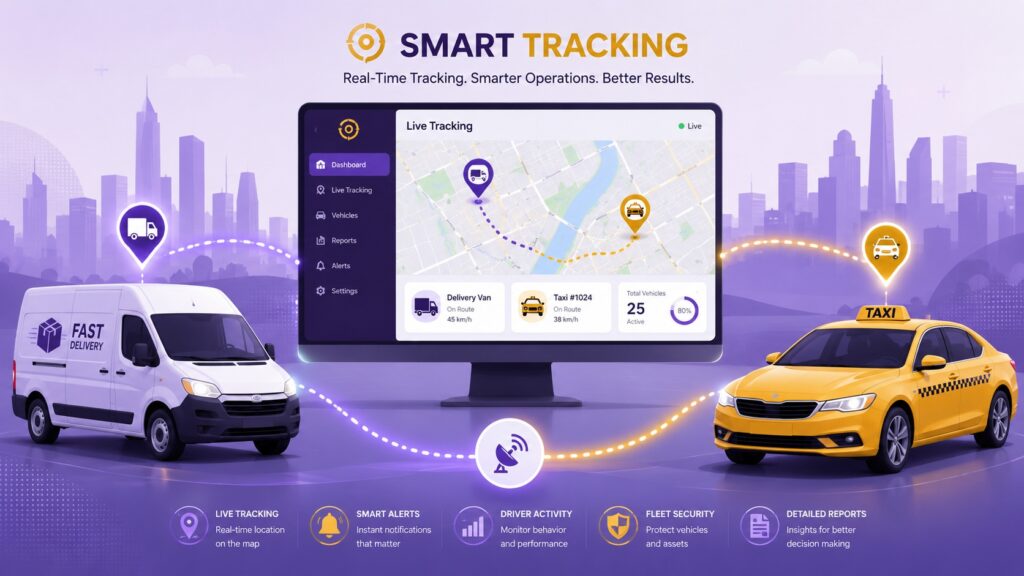
| Idle time alerts | Directly tied to fuel cost; easiest area to see fast savings |
| Route replay | Resolves customer disputes and confirms job completion |
| Geofencing | Alerts if a vehicle leaves an approved service area or job site |
| Driver scorecards | Speeding/harsh braking data useful for insurance and coaching |
4. Ease of Setup (No IT Department Needed)
5. Contract Length
Many fleet tracking providers push multi-year contracts with early termination fees. For a small business still evaluating fit, month-to-month or short-term contract options reduce risk if the platform doesn't work out.
Estimating Your Payback Period
A simple way to estimate whether fleet tracking pays for itself:
- Estimate current monthly fuel spend across your fleet
- Apply a conservative 10–15% fuel savings estimate from reduced idling and better routing
- Compare that monthly savings against the per-vehicle tracking cost (typically \$20–\$45/month)
For most small fleets running several vehicles daily, this math works out to a payback period of two to four months — after that, it's ongoing savings plus the accountability and customer service benefits.
Best Fleet Tracking Setup by Business Size
Simple OBD Plug-In Fleet Tracker
Easiest to self-install with no wiring, paired with a basic mobile app showing live location, idle time, and route history — ideal for owner-operators who want visibility without a complex system.
Fleet Dashboard with Driver Scorecards
Adds a web-based dashboard for managing multiple vehicles at once, plus driver behavior scoring — useful once you have employees driving company vehicles, not just yourself.
Hybrid Vehicle + Asset Tracker Setup
Combines vehicle-installed trackers with battery-powered asset trackers for trailers or equipment that don't have their own power source, giving full visibility across everything the business owns, not just the trucks themselves.
Frequently Asked Questions
How much does GPS fleet tracking cost for a small business?
Most providers charge per vehicle, typically $20–$45 per month, depending on the features included such as driver scorecards, dashcam integration, or route optimization. Device hardware may be a one-time cost or bundled into the monthly plan.
Do employees need to consent to GPS tracking on company vehicles?
Laws vary by state, but generally, tracking a company-owned vehicle used for work is legal, especially if disclosed in an employee handbook or policy. It's best practice to inform employees in writing before installing tracking devices.
How quickly does fleet tracking pay for itself?
Many small fleets see a payback period of two to four months primarily through reduced idle time and more efficient routing, though this varies based on current fuel costs and how inefficient current operations are.
Can I track trailers and equipment that don't have their own engine?
Yes — battery-powered asset trackers are designed specifically for trailers, generators, and equipment without a vehicle power source, and can run for weeks to months depending on the reporting frequency configured.
What's the difference between consumer and fleet GPS trackers?
Fleet-focused platforms typically add multi-vehicle dashboards, driver behavior scoring, and reporting tools built for managing several vehicles at once, whereas consumer trackers are generally built around tracking a single vehicle from a simple mobile app.
Final Thoughts
For most small businesses running a handful of vehicles, fleet GPS tracking isn't a big enterprise investment — it's a small monthly cost that typically pays for itself within a season through fuel savings and fewer wasted hours, while also giving you a clear answer the next time a customer asks where their driver actually is.