

Best GPS Tracker for Cars in Qatar, UAE & Saudi Arabia
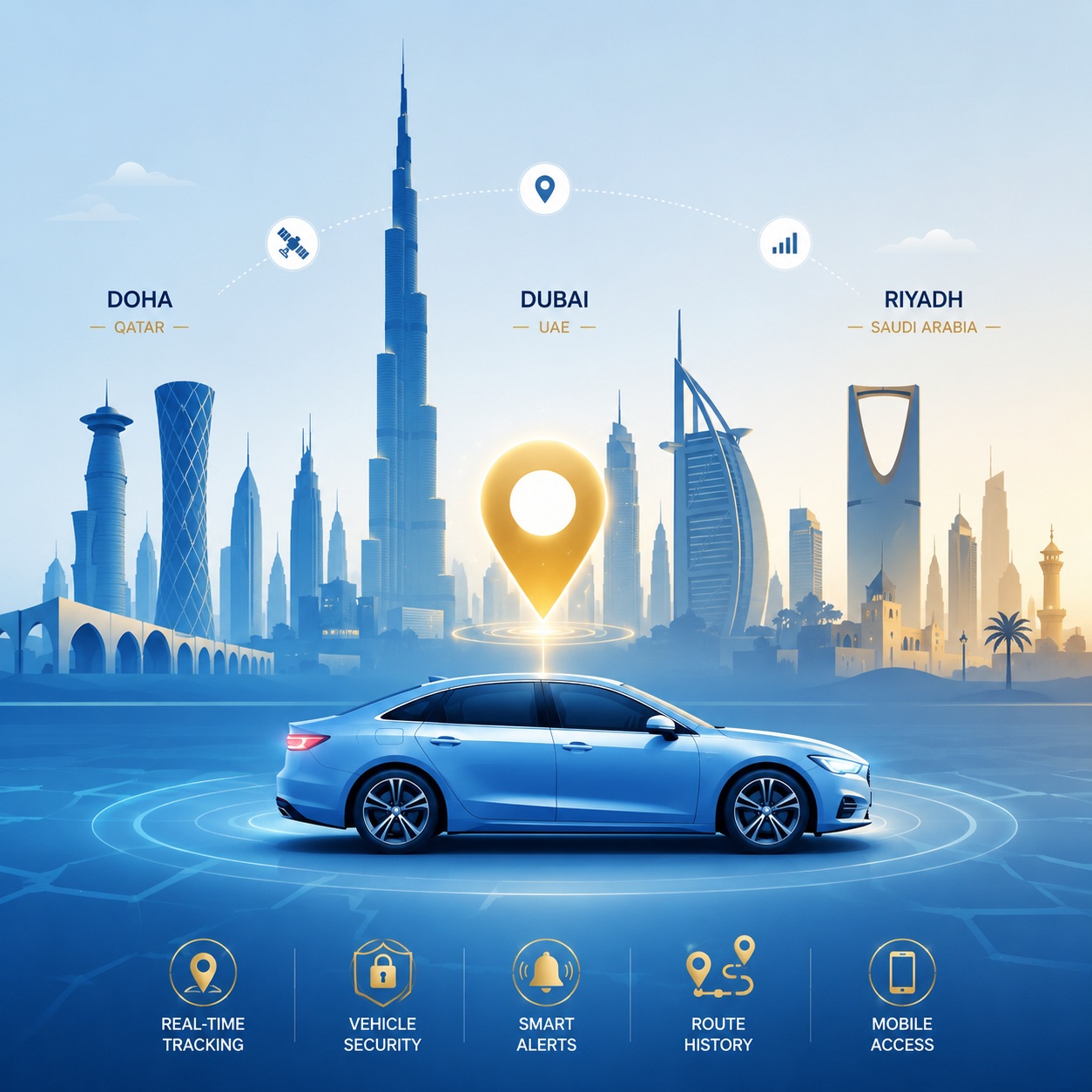
Best GPS Tracker for Cars in Qatar, UAE & Saudi Arabia
Everything you need to know before choosing a vehicle tracking device across the Gulf — features, legal rules, and how to pick the right one.
Vehicle theft, fleet mismanagement, and rising fuel costs have made GPS tracking one of the most searched-for automotive technologies across the Gulf. Whether you're a private car owner in Doha, a fleet manager in Dubai, or a logistics operator in Riyadh, the right GPS tracker can save you money, protect your assets, and give you real peace of mind.
🌍 Why GPS Tracking Has Become Essential in the Gulf
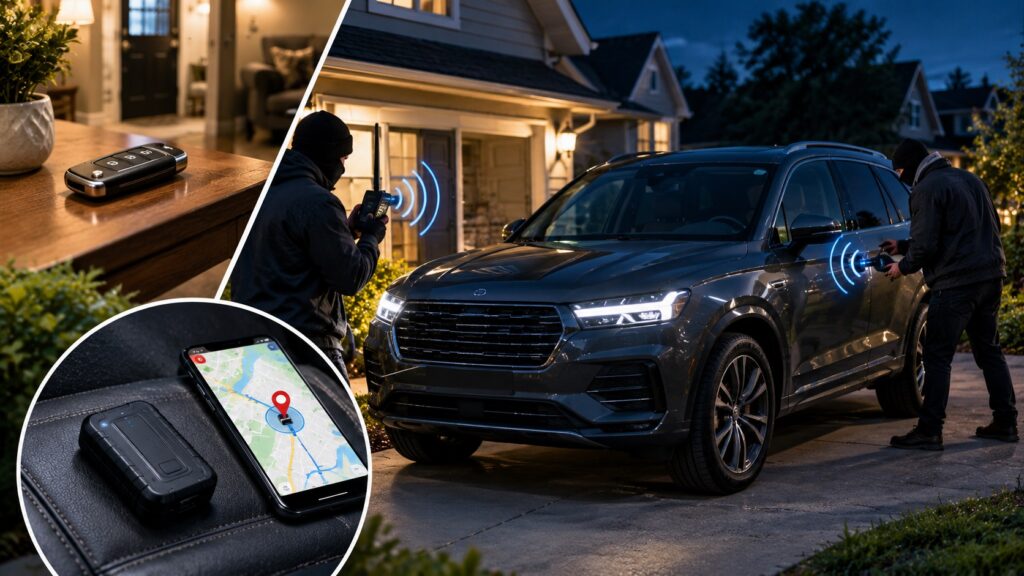
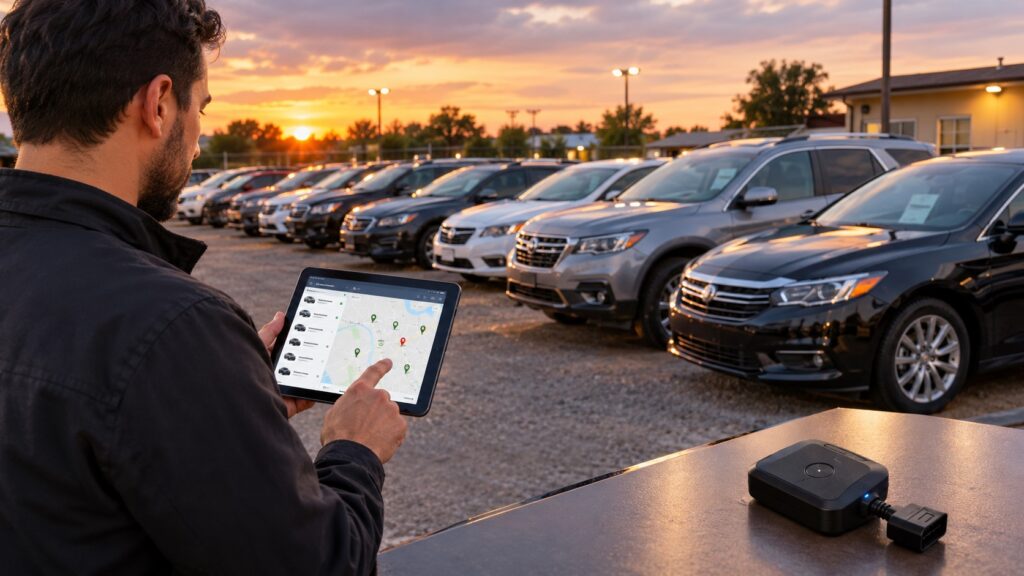
The GCC region has some of the highest vehicle ownership rates per capita in the world, alongside large expatriate workforces relying on fleets of delivery vans, taxis, and rental cars. This creates real demand for tracking technology in three main areas:
Personal Security
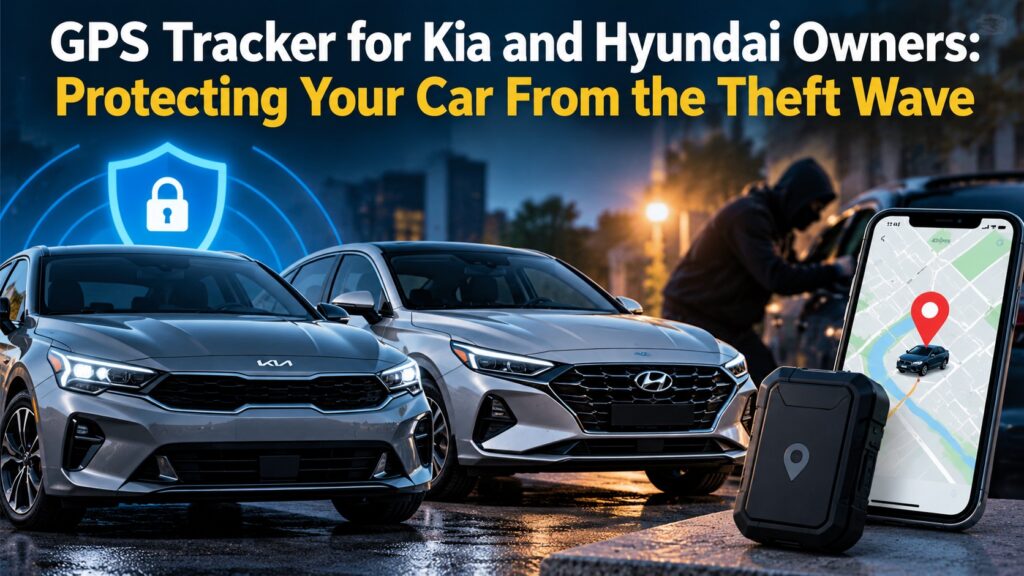
High-value cars are common theft targets in busy hubs like Dubai and Jeddah.
Fleet Management
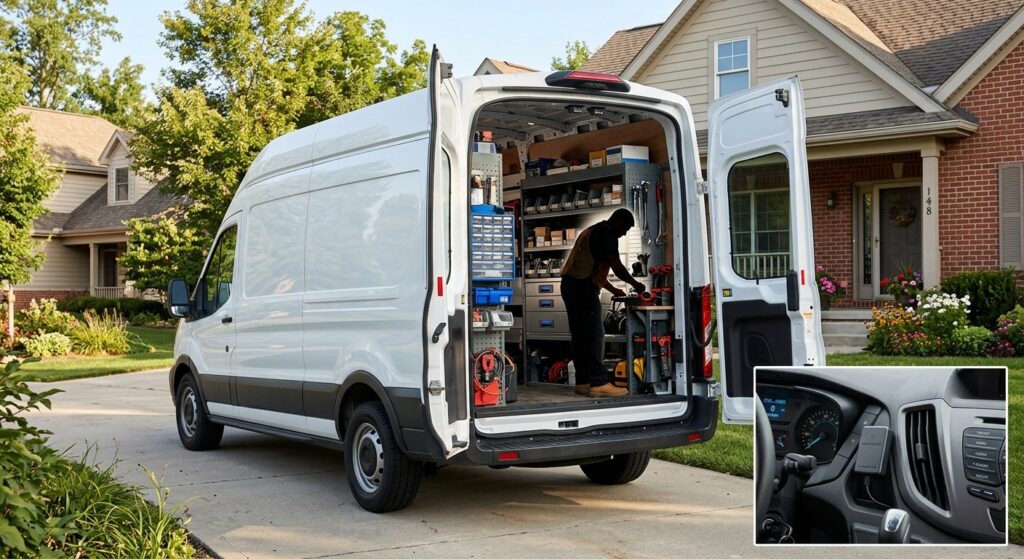
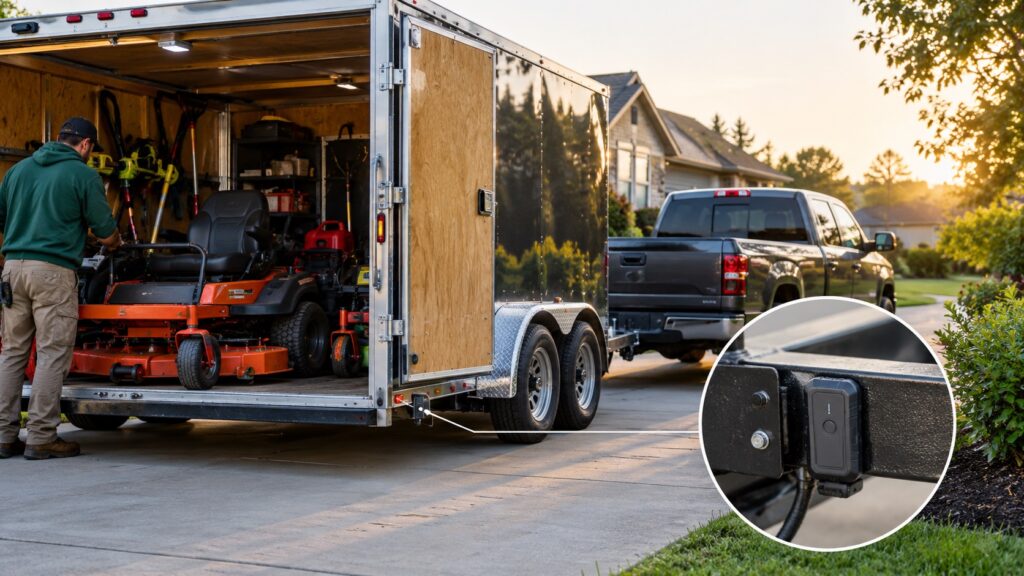
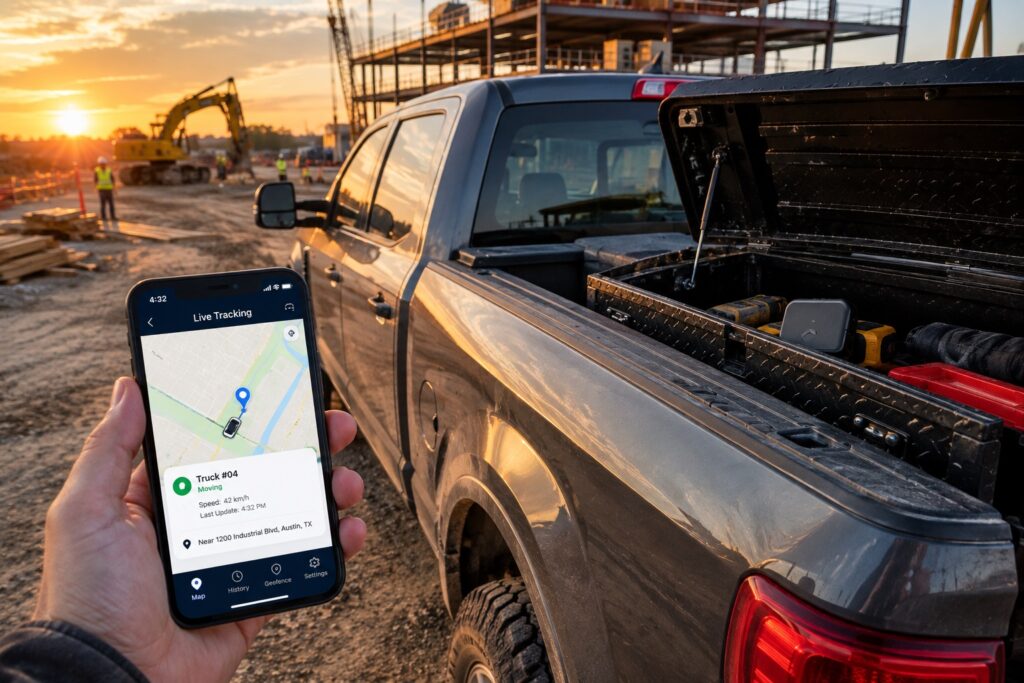
Delivery, ride-hailing and construction fleets need real-time visibility and fuel control.
Family Safety
Parents track vehicles used by younger or new drivers at home.
⚙️ How GPS Trackers Actually Work
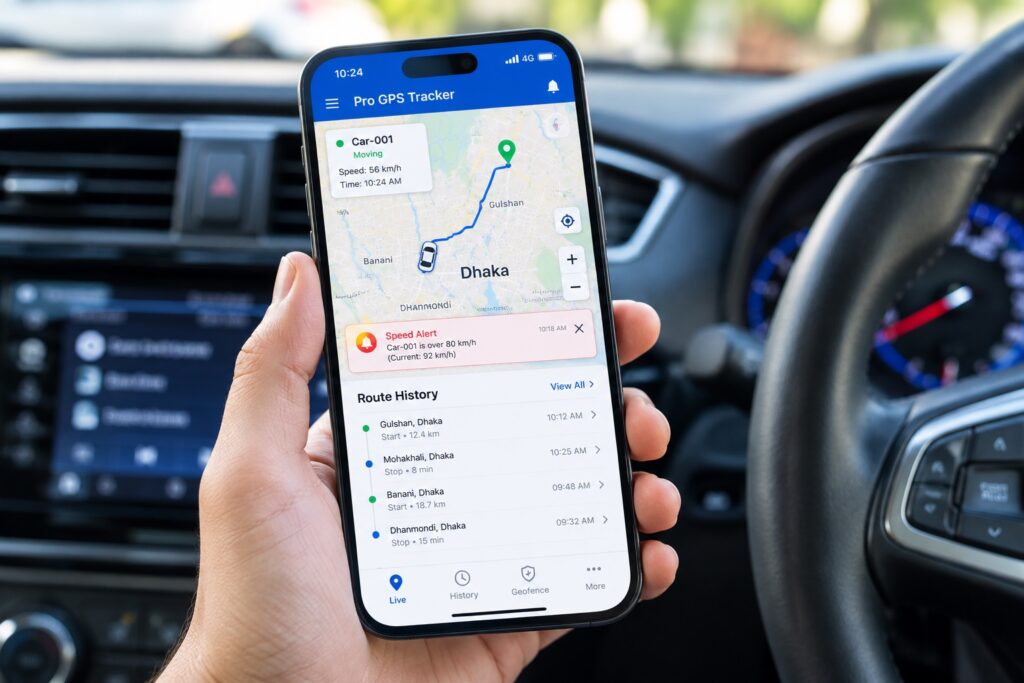
A vehicle GPS tracker combines a GPS receiver with a cellular (GSM) module. The GPS chip determines location via satellite signals, while the cellular module sends that data to a server you view through a mobile app or dashboard. Most trackers refresh location every few seconds to a few minutes depending on the plan.
🔑 Key Features to Look For
| Feature | Why It Matters |
|---|---|
| Real-Time Updates | Look for 5–30 second refresh while moving — critical for fast response during theft. |
| Geofencing | Get alerted instantly when a vehicle crosses a set boundary — great for delivery zones. |
| Engine Immobilization | Remotely disable ignition through the app — use only when the vehicle is stationary. |
| Route Playback | Review historical routes for audits, insurance claims, or driver verification. |
| Fuel Monitoring | Track fuel level or mileage to control fuel theft — a common fleet pain point. |
| Mobile App Quality | Check for a clean, responsive app in both Arabic and English. |
⚖️ GPS Tracking Rules by Country
Regulations vary, so it's worth understanding the general landscape before installing a device — particularly for company fleets or shared/rental vehicles.
Qatar
Tracking your own vehicle is generally permitted; many fleet contracts require it. Tracking someone else's vehicle without consent raises privacy concerns.
UAE
Strong telematics adoption in Dubai's logistics sector. Owner tracking is standard; monitoring another adult without consent can conflict with privacy rules.
Saudi Arabia
GPS fleet monitoring is actively promoted under Vision 2030 for commercial transport. Owner-installed tracking on personal vehicles is standard practice.
🆚 Basic vs Premium Trackers
Most buyers fall into one of two categories:
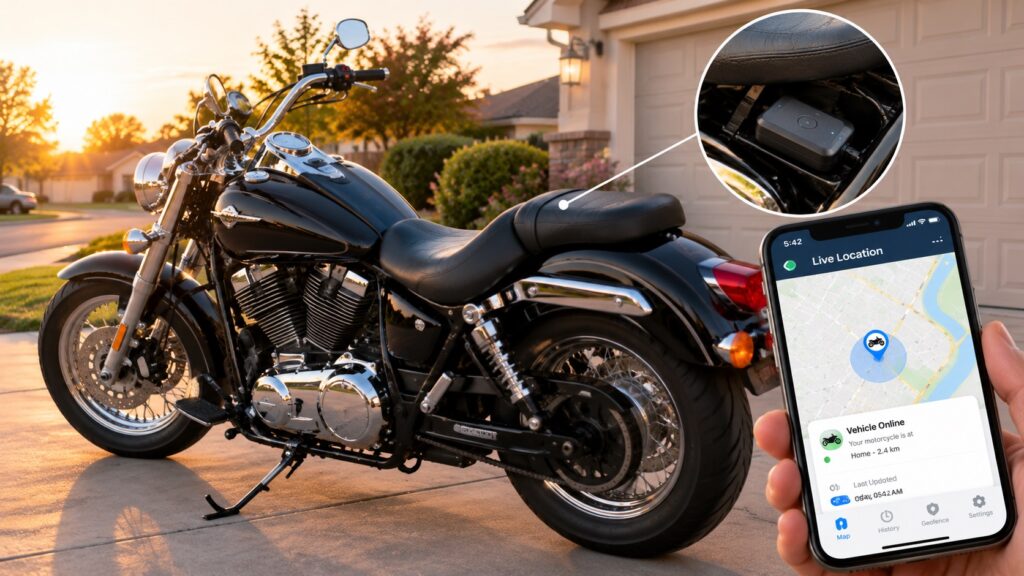
- Basic trackers — ideal for personal cars or motorcycles that just need location visibility and simple alerts.
- Premium trackers — add engine cut-off, geofencing, fuel sensors, and driver analytics, better suited for commercial fleets and high-value vehicles.
Rule of thumb: personal daily drivers → basic real-time tracker with geofencing. Revenue-generating business assets (delivery vans, taxis, rentals) → premium features usually pay for themselves through better cost control and faster recovery.
🚫 Common Mistakes to Avoid
Most trackers need ongoing SIM/data fees — factor in total cost of ownership.
The cheapest device often has poor accuracy or weak support.
Poor wiring can drain the battery or trigger false alerts.
A clunky interface makes daily use frustrating — try a demo if possible.
✅ Final Thoughts
GPS tracking has moved from a "nice-to-have" to a practical necessity for vehicle owners and fleet operators across Qatar, the UAE, and Saudi Arabia. Personal peace of mind calls for a simple, reliable real-time tracker; commercial fleets benefit most from geofencing, fuel monitoring, and remote engine control. Prioritize update speed, app quality, and transparent pricing over the lowest sticker price — those are what determine whether a tracker earns its keep over the years you own the vehicle.