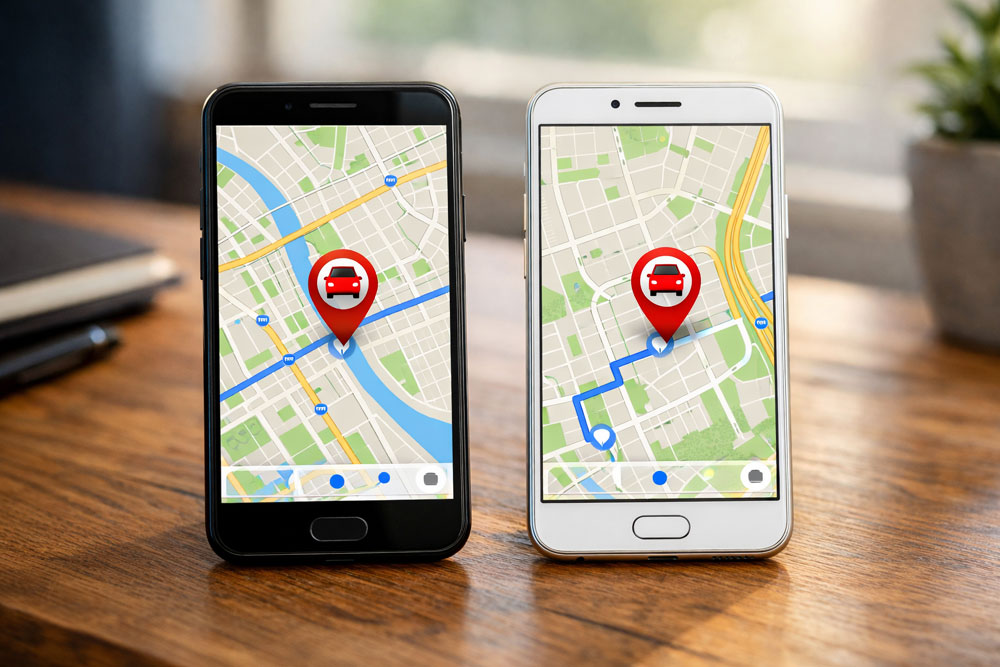


Best GPS Tracker for Trailers — Protect Cargo, Utility & Equipment Trailers
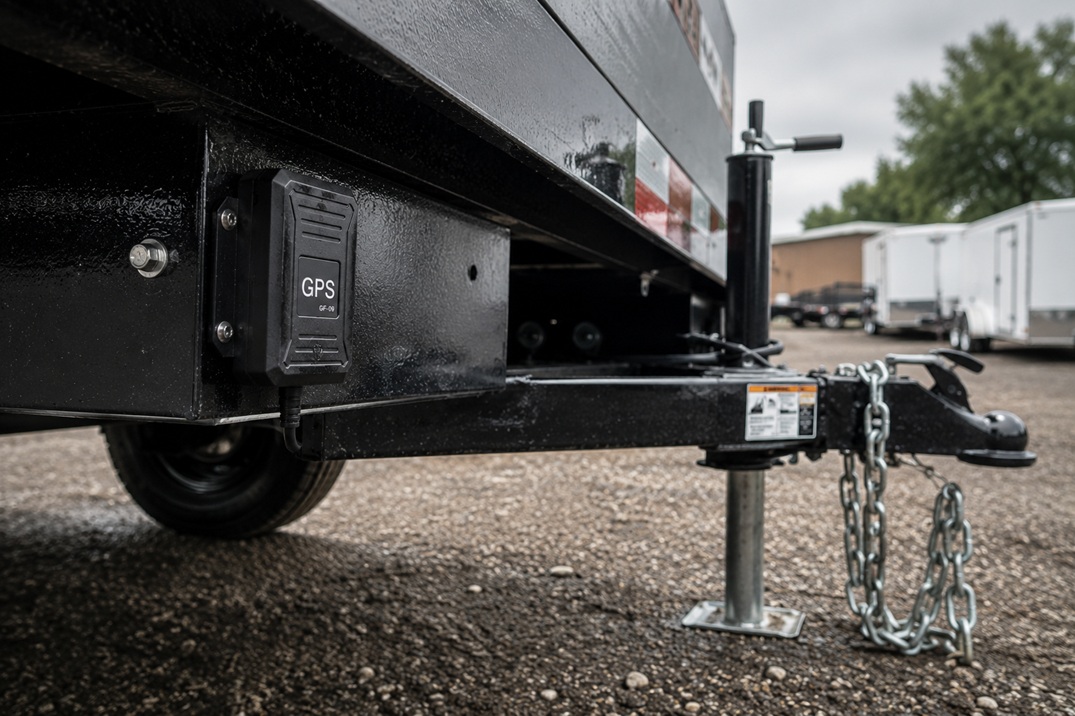
Best GPS Tracker for Trailers: Protect Cargo, Utility & Equipment Trailers
No engine, no key, no alarm — trailers are one of the easiest things to steal in the US. Here's how a battery-powered GPS tracker closes that gap.
A trailer is uniquely vulnerable compared to almost anything else you own. There's no ignition to hot-wire, no alarm system, and often no lock beyond a simple hitch coupler — someone with the right hitch ball can back up, connect, and drive away in under five minutes, whether it's sitting at a job site, storage lot, or your own driveway overnight.
A GPS tracker built for trailers solves the core problem: unlike a car, a trailer has no battery or electrical system of its own to power a tracking device, so it needs a self-contained, long-life battery solution instead. This guide covers exactly what to look for and how to choose the right one for cargo, utility, or equipment trailers.
Why Trailers Are Such an Easy Target
- No ignition or key required — theft only requires hitching up and driving away
- Often left unattended for long periods — job sites, storage lots, and driveways overnight
- High resale value with low traceability — trailers rarely have visible VINs the way vehicles do
- No built-in alarm or immobilizer — unlike modern cars, most trailers have zero anti-theft technology from the factory
What to Look for in a Trailer GPS Tracker
1. Long Battery Life (No Power Source on the Trailer)
Since trailers have no ignition or continuous power supply, the tracker's own battery life is the single most important spec. Look for devices rated for several weeks to months between charges, with low reporting frequency options to extend battery life further when the trailer is stationary.
2. Motion-Triggered Reporting
The best trailer trackers conserve battery by reporting infrequently while stationary, then automatically switching to frequent real-time updates the moment motion is detected — giving you both long battery life and real-time alerts exactly when you need them.
3. Weatherproof, Rugged Housing
| Feature | Why It Matters |
|---|---|
| IP67+ waterproof rating | Constant outdoor exposure to rain and dust |
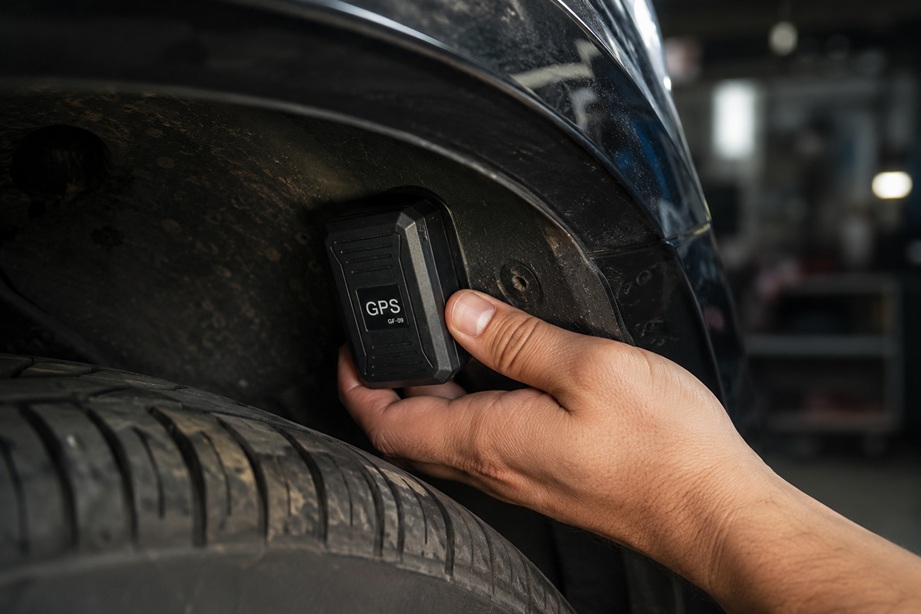
| Magnetic or bolt-on mounting | Secure attachment without drilling into the frame |
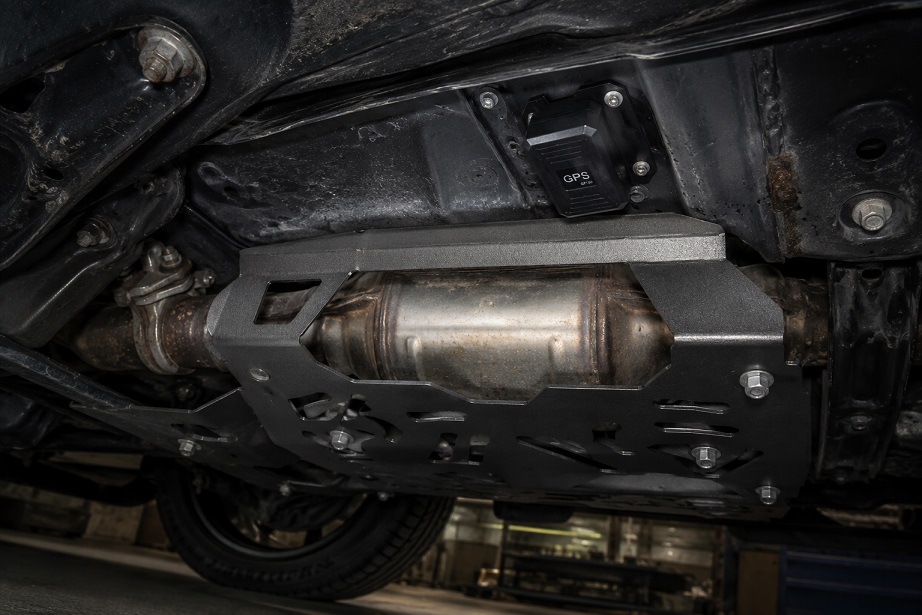
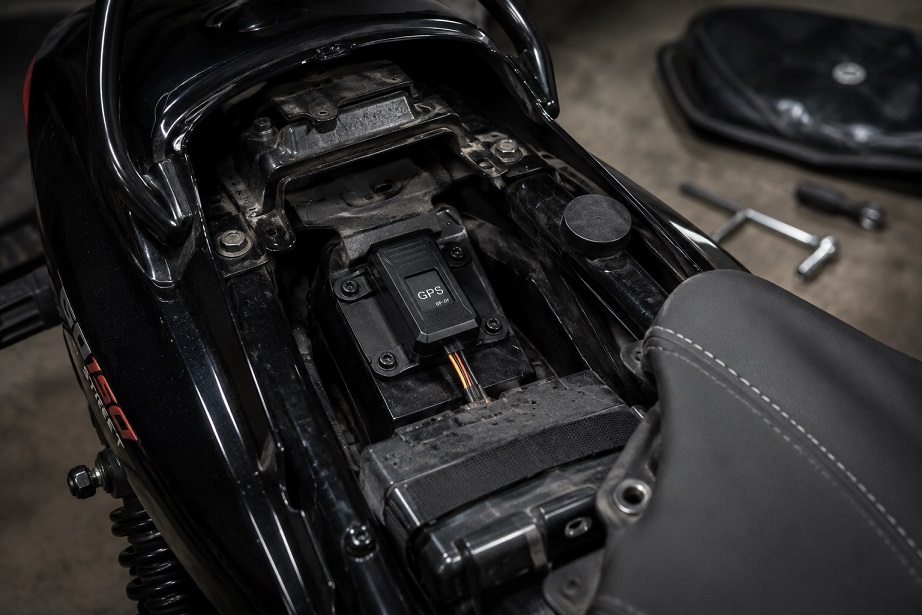
| Hidden installation point | Reduces chance of a thief spotting and removing it |
| Temperature-resistant casing | Handles extreme heat/cold during long-term outdoor storage |
4. Geofencing for Job Sites and Storage Lots
Set a geofence radius around wherever the trailer is currently parked, and get an instant alert if it moves beyond that zone — useful whether it's overnight at a job site or in long-term storage.
5. No Long-Term Contract Requirement
Top Trailer GPS Tracker Types for
1. Solar-Assisted Magnetic Tracker
A weatherproof magnetic tracker with a small solar panel that trickle-charges the internal battery, ideal for trailers that sit unused for extended periods without access to power.
2. Battery-Powered Tracker with Motion-Triggered Reporting
Balances battery life and real-time visibility by reporting infrequently while parked and switching to live updates automatically once movement is detected — a strong all-around option for trailers used regularly.
3. Hardwired Tracker with Backup Battery
For trailers with an electric brake system or onboard power connection, a hardwired tracker draws continuous power while including internal backup battery protection in case that connection is cut during a theft attempt.
Extra Steps to Protect a Trailer
- Use a hitch lock or coupler lock in addition to a GPS tracker — the tracker helps recovery, but a physical lock adds real deterrence
- Record the trailer's VIN and take photos of any identifying features for police reports
- Park trailers hitch-to-hitch or nose-in against a wall when possible, making them harder to quickly access
- Test the tracker's alert reliability before relying on it for a trailer left unattended long-term
Frequently Asked Questions
How long does a trailer GPS tracker's battery last?
Battery life varies widely based on reporting frequency, ranging from a few weeks on trackers set to frequent updates to several months on devices using motion-triggered or low-frequency reporting modes.
Do trailer trackers need a monthly subscription?
Most real-time, cellular-connected trailer trackers require a monthly data plan, typically $10–$25, to transmit live location and alerts. Some basic GPS loggers store location data for later download instead, avoiding a subscription cost.
Can a GPS tracker work on a trailer with no electrical system?
Yes — this is exactly what dedicated trailer trackers are designed for. Battery-powered and solar-assisted models are self-contained and don't require any connection to the trailer's electrical system.
Where's the best place to hide a tracker on a trailer?
Common hiding spots include inside the frame rail, under the trailer bed, or within an equipment toolbox if present. The goal is a location that's protected from weather and not immediately visible during a quick visual inspection.
Does trailer insurance cover theft if I have a GPS tracker installed?
Some insurers offer discounts for trailers equipped with tracking or anti-theft devices, since it can improve recovery odds and reduce total-loss claims. Check directly with your insurance provider for specific eligibility and discount amounts.
Final Thoughts
A trailer's biggest security weakness — no engine, no key, no built-in alarm — is exactly why a dedicated GPS tracker matters so much here. Pair it with a solid hitch lock and you've closed most of the gap that makes trailers such an easy, low-risk target in the first place.