

Catalytic Converter Theft : 7 Ways a GPS Tracker Helps You Recover It
Catalytic Converter Theft: 7 Ways a GPS Tracker Helps You Recover It
Catalytic converter theft can happen in under 60 seconds — and cost $1,000+ to replace. Here's how a GPS tracker changes your odds of getting your car back and running fast.
Catalytic converter theft has exploded across the US in recent years, driven by the rising value of the precious metals inside — platinum, palladium, and rhodium. Thieves can slide under a parked car, cut the converter free with a battery saw, and be gone in under a minute, often in broad daylight in parking lots, driveways, and even while a car is stopped at a light. The replacement cost frequently runs well over $1,000, and insurance doesn't always cover the full amount.
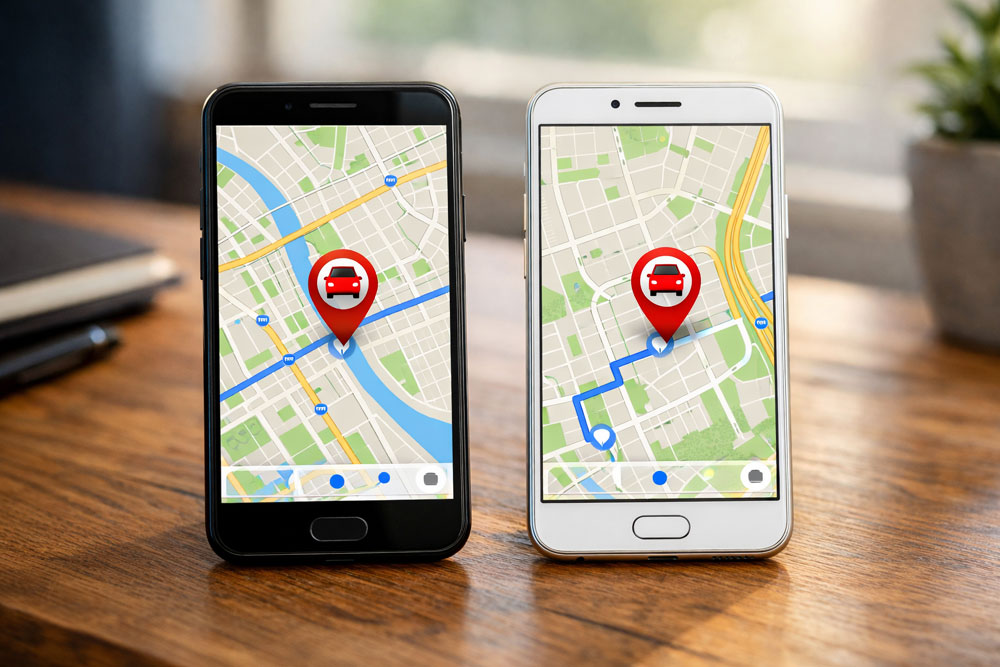
A GPS tracker won't stop a thief from cutting the part loose, but it dramatically changes what happens in the minutes and hours after — turning a total loss into a real chance of recovery, and creating a police report with actual evidence instead of a guess.
Why Catalytic Converters Are Such a Common Target
- High resale value — the precious metals inside can be sold quickly to scrap buyers, often with few questions asked
- Fast removal — a portable saw can cut a converter free in well under a minute
- Low risk for thieves — no key, alarm bypass, or vehicle entry required at all
- Hard to trace — converters have no visible serial number to the naked eye, making stolen parts difficult to link back to a specific vehicle
How a GPS Tracker Actually Helps With Converter Theft
Since the tracker isn't attached to the converter itself, its value here is slightly different than typical vehicle theft recovery — but still significant:
1. Motion & Vibration Alerts
Many GPS trackers include motion sensors that detect unusual vibration or tilting — the exact kind caused by a saw cutting through metal underneath the vehicle. An instant alert to your phone means you (or a passing witness) may catch the theft in progress instead of discovering it hours later.
2. Real-Time Location for Insurance and Police Reports
A tracker with a logged location and timestamp gives police a concrete starting point and gives your insurance company hard evidence for the claim — rather than relying only on your account of "sometime overnight."
3. Deterrent Effect
4. Alerting You Immediately, Not Hours Later
The biggest cost driver after a converter theft is often driving the car afterward without realizing damage has occurred, or discovering it only when you go to start the engine the next morning. Motion alerts close that gap significantly.
Best Practices to Pair With a GPS Tracker
| Protection Method | What It Does | Best Paired With |
|---|---|---|
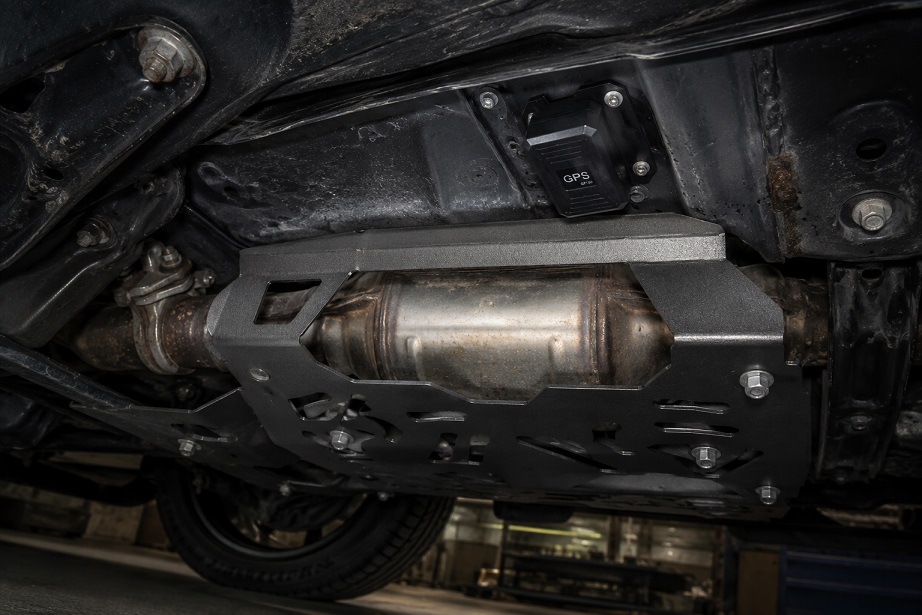
| Catalytic converter shield/cage | Physical barrier, slows down removal | Motion-alert GPS tracker |
| Etching/marking the converter | Makes stolen part traceable, deters resale | Police report + tracker location log |
| Parking in well-lit, camera-covered areas | Increases risk of thief being seen | Motion-alert GPS tracker |
| Motion-alert GPS tracker | Immediate notification + location evidence | All of the above |
What to Look for in a Tracker for This Purpose
- Motion and vibration sensitivity — should be tuned to catch the vibration of a saw cut, not just full vehicle movement
- Instant push notifications — a delayed alert defeats the purpose entirely
- Independent battery backup — since the vehicle may not be running when the theft occurs
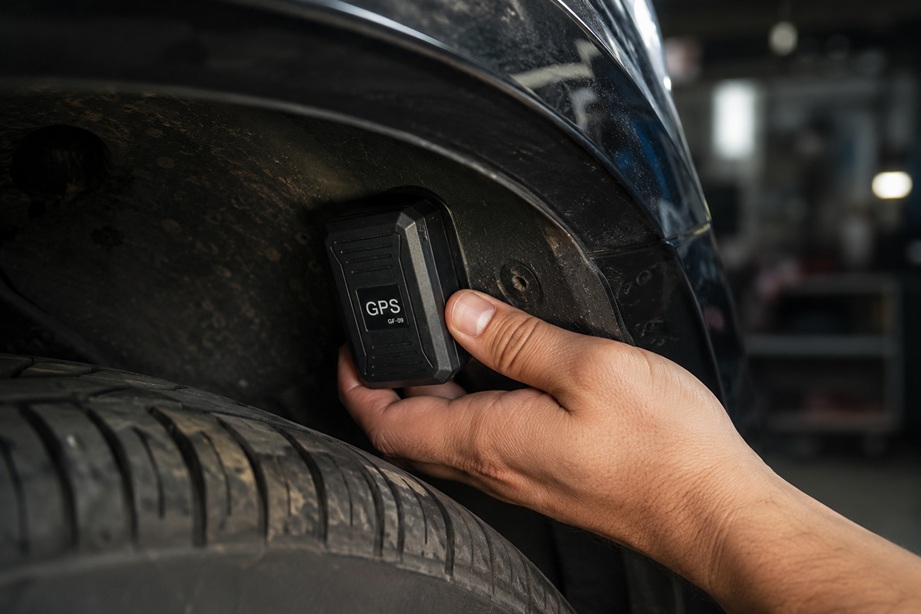
- Hidden installation — mounted somewhere a thief working underneath the car won't notice or disturb
What to Do Immediately If It Happens
- Do not start or drive the vehicle — a missing converter can cause damage if driven, and starting it will confirm the loud exhaust noise that signals the theft
- File a police report immediately, including your tracker's motion alert timestamp and location if available
- Contact your insurance provider the same day — comprehensive coverage typically applies to converter theft, though deductibles and coverage limits vary
- Check under the vehicle yourself before assuming — sometimes a heat shield rattle is mistaken for a stolen converter
Frequently Asked Questions
Can a GPS tracker actually prevent catalytic converter theft?
A GPS tracker alone doesn't physically stop the theft, but motion-alert models can notify you the moment the vibration begins, and the resulting evidence supports faster police response and insurance claims. Pairing it with a physical shield adds real deterrence.
Does insurance cover catalytic converter theft?
Comprehensive auto insurance typically covers catalytic converter theft, though you'll usually pay your deductible first. Liability-only policies generally do not cover this type of theft.
How do I know if my catalytic converter was stolen?
The most common sign is a very loud, roaring exhaust noise as soon as you start the engine, along with reduced acceleration. Visually, you may be able to see a gap or hanging pipe underneath the vehicle where the converter used to be.
Which vehicles are most often targeted for converter theft?
Trucks and SUVs with higher ground clearance are easier to access and are frequently targeted. Certain hybrid vehicles are also targeted due to higher concentrations of precious metals in their converters.
Is a catalytic converter shield worth the cost?
A shield or cage significantly increases the time and tools required to remove a converter, often enough to deter a thief from continuing or moving on to an easier target. It's generally considered a worthwhile investment relative to the replacement cost of the converter itself.
Final Thoughts
Catalytic converter theft happens fast and quietly, which is exactly why early detection matters so much. A motion-alert GPS tracker won't stop the cut, but it can be the difference between finding out immediately — with evidence in hand — and discovering it the hard way the next time you turn the key.